Non-Americans Share The Movie Tropes They Actually Thought Were Fake
American movies travel far. Sitcoms, teen dramas, holiday specials, and action blockbusters have shaped how the world pictures daily life in the United States. For many international viewers, certain scenes feel exaggerated for effect until they visit or a viral post confirms the truth. These are the movie tropes non-Americans once dismissed as fiction, only to discover they are very real parts of American culture.
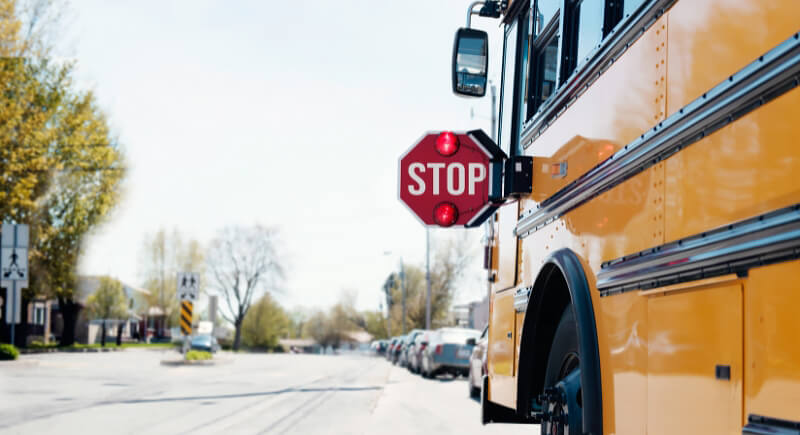
The Yellow School Bus That Stops Traffic
Credit: Getty Images
A German exchange student once described being surprised by how traffic responds to a school bus. When its red lights flash, and the stop sign extends, drivers in many states are legally required to stop in both directions. The design, too, is federally regulated, right down to the color known as National School Bus Glossy Yellow.
Prescription Drug Commercials With Rapid Disclaimers

Credit: Getty Images
Visitors often think the long list of side effects is a comedy punchline. It is not. The United States permits direct-to-consumer pharmaceutical advertising, a policy that expanded following the FDA’s 1997 guidance. That shift opened the door to prime-time drug commercials, and the lengthy disclaimers are legally required.
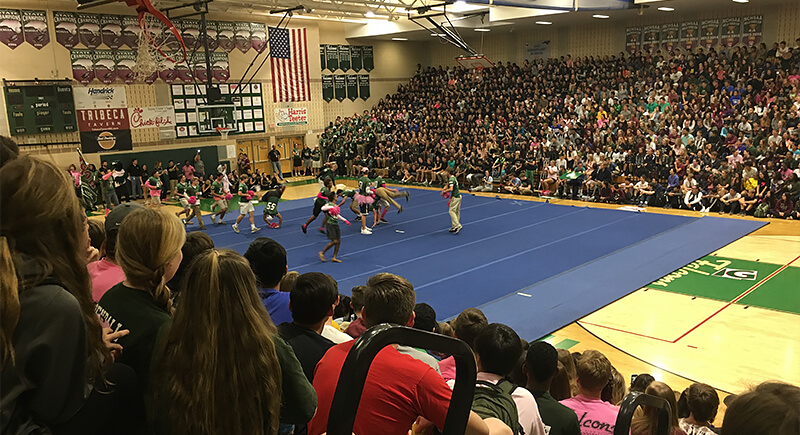
Pep Rallies That Fill The Gym
Credit: Wikimedia Commons
In many countries, school assemblies focus on academics or formal announcements. An Irish student attending high school in the American South described walking into a gym packed with students cheering for the football team. The noise, school colors, and coordinated chants felt intense and unfamiliar. Pep rallies have existed for more than a century, growing alongside competitive school sports.
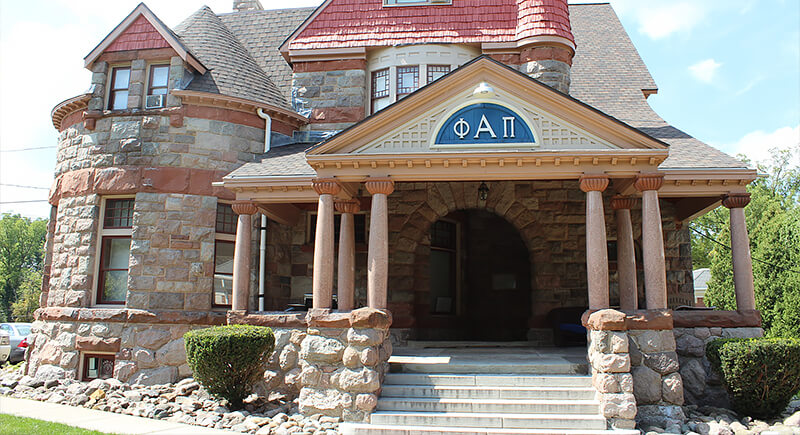
Fraternity Houses With Greek Letters
Credit: Wikimedia Commons
College movies have long leaned on fraternity and sorority storylines. An international student at a large Texas university once admitted to assuming the houses were fictional exaggerations. Greek life in the United States traces back to the late 1700s, starting with Phi Beta Kappa. Today, thousands of chapters operate nationwide.
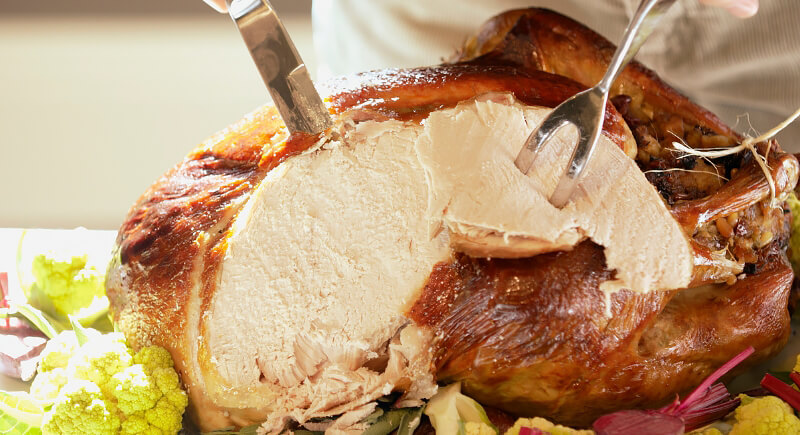
Thanksgiving Turkeys The Size Of Centerpieces
Credit: Canva
Holiday comedies rarely shy away from oversized turkeys. For a moviegoer in Spain, a Thanksgiving scene once drew laughter because the bird seemed absurdly large. In reality, Americans commonly buy turkeys weighing 12 to 20 pounds. The U.S. Department of Agriculture estimates tens of millions are sold each November. Leftovers even become sandwiches and soups for days.
Steam Rising From City Streets
Credit: Getty Images
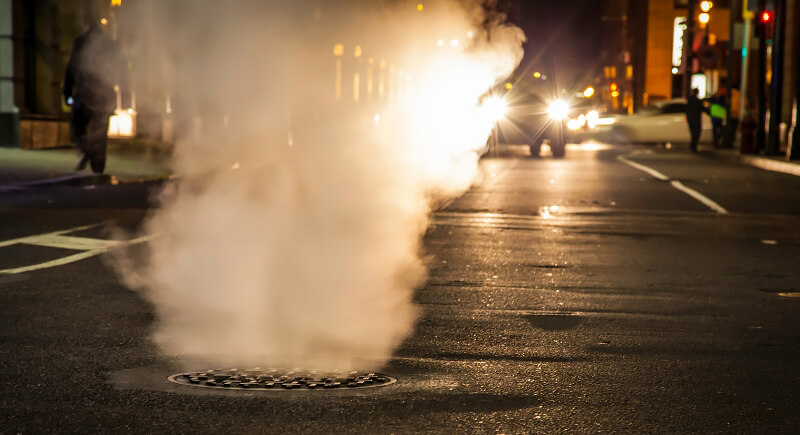
New York dramas frequently feature steam drifting up from manhole covers. A visitor stepping off a bus in Manhattan once assumed a production crew had staged the effect. The vapor comes from one of the world’s oldest district steam systems. Con Edison’s network dates to the 19th century and still heats buildings across the city.
Halloween Displays That Take Over Neighborhoods
Credit: Facebook
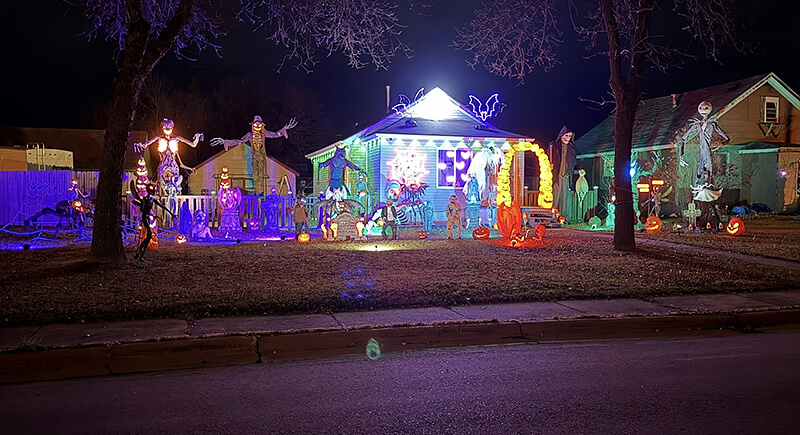
American homeowners treat Halloween as a creative challenge. Retail spending on the holiday regularly reaches several billion dollars each year. Community contests and themed streets are common. International visitors often express surprise at adults embracing costumes and elaborate setups with the same enthusiasm shown in movies.
High School Football Stadiums That Rival Colleges
Credit: Wikimedia Commons
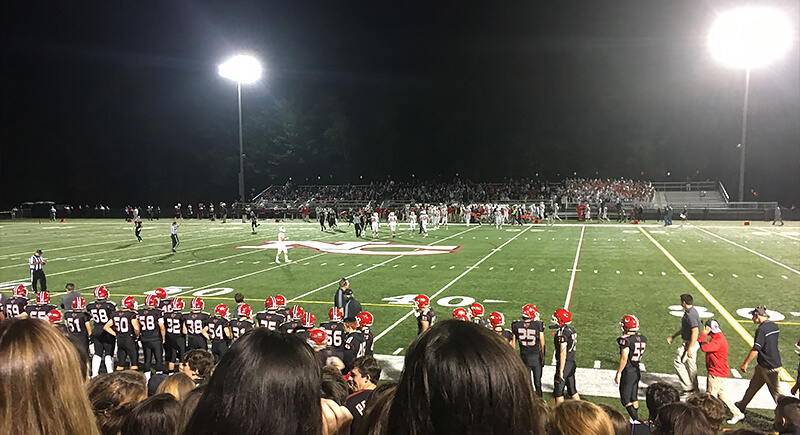
Teen dramas often show Friday night football games as major community events. In parts of the United States, that portrayal is accurate. Some high school stadiums seat thousands of spectators and feature large scoreboards and professional-grade lighting. In certain states, football programs draw strong local media coverage and generate significant revenue. Bands, cheerleaders, parents, and alumni attend regularly.
Tipping As A Built-In Expectation
Credit: Canva
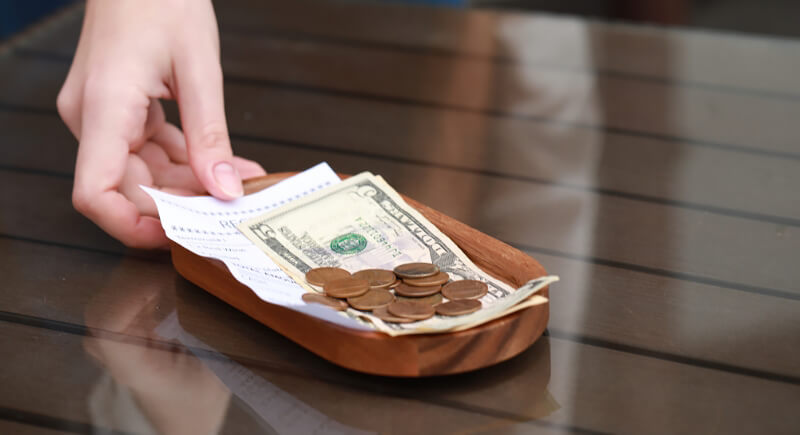
Movie characters often leave cash on the table before walking out. For many non-Americans, that scene can feel like a storytelling shortcut rather than real life. In the United States, though, tipping is expected. At sit-down restaurants, customers typically add 15-20% to the bill. Federal law allows employers to pay tipped workers a lower base wage, with gratuities meant to make up the difference.
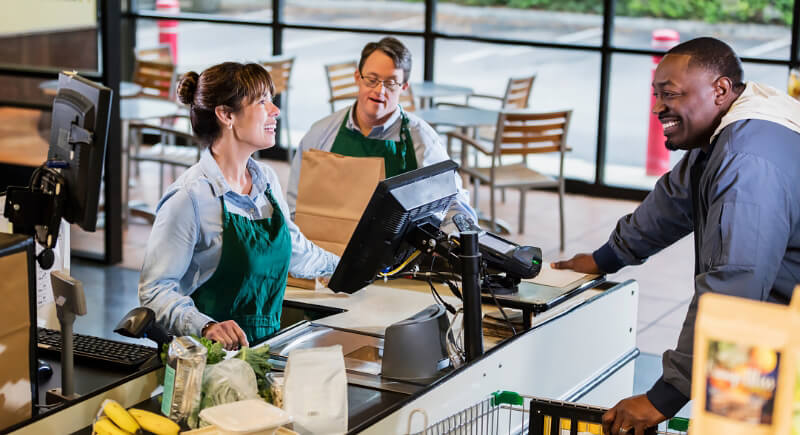
Retail Employees Greeting Every Customer
Credit: Getty Images
Television often shows cashiers offering cheerful farewells. A visitor from Northern Europe once described hearing “Have a nice day” in nearly every store. Many American retail chains train employees to greet shoppers as part of customer service standards. The habit developed alongside the growth of large chains in the late 20th century.