20 ‘Nice Guy’ Behaviours That Are Actually a Massive Red Flag
We’re taught that “nice guys” are the safe bet. They say the right things and go out of their way to seem respectful. But niceness is sometimes just a guise for entitlement, control, or manipulation.
Here’s what to watch for.
Conditional Kindness and Boundary Disrespect

Credit: Getty Images
They’re warm and attentive until you say no. Once you set a boundary, their tone shifts, they pressure you, or they withdraw affection. This includes persistence framed as romance and treating affection like something owed. The pattern reveals entitlement disguised as devotion.
Transactional Generosity

Credit: pexels
Favors, gifts, and sacrifices come with invisible contracts. They expect praise or emotional repayment. If appreciation doesn’t arrive on cue, resentment surfaces. Whether it’s love-bombing or constantly reminding you of what they’ve done, the generosity functions as leverage, not care.
Blow Their Own Trumpet

Credit: Canva
They often go on about how they’re a good guy and how they treat people differently. The self-promotion often outweighs genuine empathy. When someone frequently says things like “nice guys finish last,” it signals a need for validation.
Selective Respect and Masked Contempt

Credit: iStockphoto
They’re polite to those they want to impress but dismissive toward servers, coworkers, or strangers. Cruel jokes fall into the same category. Their humor is just a way of expressing hostility, and politeness is situational. The common thread is hierarchy.
Subtle Sexism Disguised as Compliments

Credit: Getty Images
Their flattery is often wrapped in comparison: “You’re not like other girls.” Praising you by putting other women down reinforces inequality. These comments may sound admiring, but they rest on stereotypes and division.
Emotional Invalidation and Withdrawal

Credit: pexels
Your feelings are labeled as ‘dramatic’ or ‘irrational’. If that doesn’t silence you, they resort to cold distance or the silent treatment. They use tactics like gaslighting or shutting down because the goal is to control the emotional tone of the relationship.
Insecurity Framed as Attachment

Credit: Canva
Jealousy becomes proof of love. Your friendships, achievements, or independence are treated as threats. They compete with your wins or question your loyalty under the banner of devotion. The underlying issue is a fragile sense of self-worth seeking reassurance through control.
Chronic Victimhood and Blame-Shifting

Credit: Getty Images
Nothing is ever their fault. Ex-partners, bosses, friends, or circumstances–someone always has to carry the blame. They cast themselves as misunderstood heroes or perpetual victims. This distorted self-narrative protects the ego and avoids accountability.
Idealization Followed by Devaluation

Credit: Idealization Followed by Devaluation
At first, you’re flawless. The praise is intense and immediate. Once you disappoint them, criticism replaces admiration. This rapid shift reveals unstable attachment patterns rooted in control.
Refusal to Self-Reflect

Credit: Canva
When you offer feedback, they take it as criticism instead of a chance to grow. Healthy relationships require both people to learn and adjust. Refusing to reflect often indicates emotional immaturity and a lack of responsibility.
Oversharing Trauma to Fast-Track Intimacy

Credit: Canva
They share very personal or painful stories early on to create a strong sense of closeness. It can feel meaningful and intense, but it may also be a way to rush the process of emotional bonding. This kind of fast intimacy can pressure you to open up before real trust has had time to grow naturally.
Mirroring Your Personality Excessively

Credit: Canva
At first, it can feel like perfect compatibility. They suddenly share all your interests, agree with every opinion, and adopt your hobbies almost immediately. Over time, it starts to feel less genuine. Instead of showing their own identity, they seem to reshape themselves just to gain approval and closeness.
Over-Inserting Themselves Into Your Life

Credit: Canva
They volunteer to fix problems you didn’t ask them to solve, show up uninvited to help, or insist on being involved in every aspect of your routine. The behavior can look attentive, but it ignores autonomy and assumes access without invitation.
Using Vulnerability to Dodge Responsibilities

Credit: Getty Images
When you confront them about something hurtful, they quickly shift into sadness or self-pity. The focus moves from what they did to how bad they feel. Tears, silence, or dramatic guilt can pull you into comforting them instead of addressing the issue.
Keeping Score of Your Effort

Credit: Canva
They mentally tally who texted first, who paid last, or who planned more dates. Instead of enjoying mutual effort, they obsess over fairness. The relationship begins to feel like a negotiation.
Over-Policing Your Preferences
Credit: iStockphoto
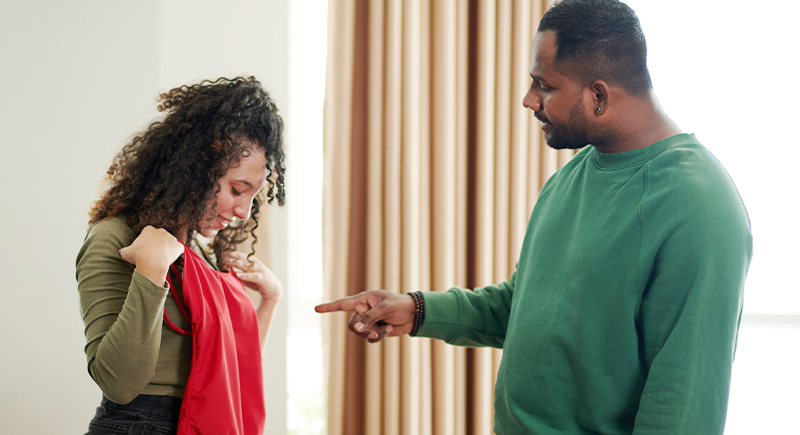
Your music taste, clothing, hobbies, or career plans are gently questioned in ways that seem polite at first. Over time, the pattern becomes clear. The message underneath the “help” is that who you are isn’t quite right and needs adjusting.
Presenting Themselves as the Only Safe Option

Credit: freepik
They often compare themselves to “other guys,” pointing out how unreliable or unsafe everyone else is. The message may sound protective, but it suggests you can only trust them. Over time, this creates pressure to rely on them by making other options seem risky or inferior.
Avoiding Direct Communication Through Hints

Credit: pexels
They expect you to read between the lines rather than state needs clearly. Frustration builds when you don’t decode their unspoken expectations. Passive communication allows them to feel wronged without ever expressing a direct request.
Rushing Commitment to Lock Things Down

Credit: Getty Images
They push for exclusivity, labels, or future plans very early. The urgency can feel flattering, but it leaves little room for natural pacing. Fast commitment often aims to secure certainty before true compatibility has been tested.
Monitoring Your Online Activity

Credit: Canva
They pay close attention to when you’re online, who interacts with your posts, and how fast you reply. It may seem like simple interest at first. Over time, it starts to feel like they’re keeping tabs on you. This constant checking often comes from insecurity.