World’s Newest Religions, Including the Most Recent One Started This Year
Religion isn’t only a legacy of the ancient world. It’s still being written, sometimes by hand, sometimes by hashtag. New spiritual movements continue to emerge through satire, politics, personal revelation, and digital platforms.
This list includes recognized religions, cultural movements with spiritual elements, and a newly introduced religion that was only introduced on social media a few months ago.
The Satanic Temple (2013)

Credit: Wikimedia Commons
Lucien Greaves and Malcolm Jarry established The Satanic Temple to challenge religious interference in government and promote secular values. It doesn’t worship Satan but treats him as a symbol of personal freedom and resistance to control. Through legal actions and public demonstrations, they challenge the role of religion in U.S. politics.
Astronism (2012)
Credit: IMDb
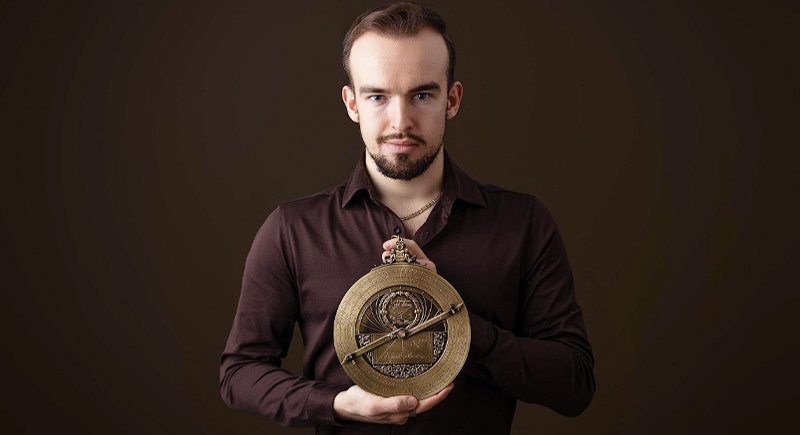
Brandon Taylorian, known publicly as Cometan, created Astronism to explore spiritual meaning through cosmic inquiry. His writings, compiled into the Omnidoxy, define a belief system centered on space, existential curiosity, and human potential beyond Earth. The movement operates almost entirely through digital publishing and philosophical texts.
Santa Muerte Devotion (2000s)
Credit: Wikimedia Commons
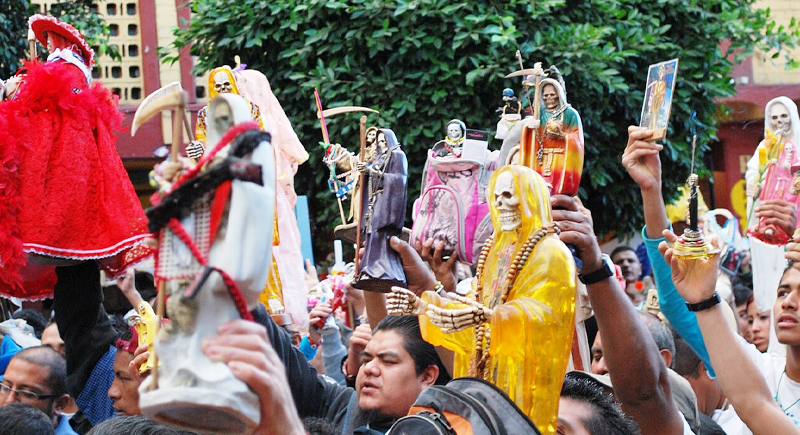
Santa Muerte, or Holy Death, has become a folk saint for millions in Mexico and the U.S., especially among those marginalized by mainstream institutions. She’s represented as a cloaked skeleton and invoked for health, justice, and protection. Though not recognized by the Catholic Church, Santa Muerte now has temples, processions, and a growing public presence.
Church of the Flying Spaghetti Monster (2005)
Credit: Wikimedia Commons
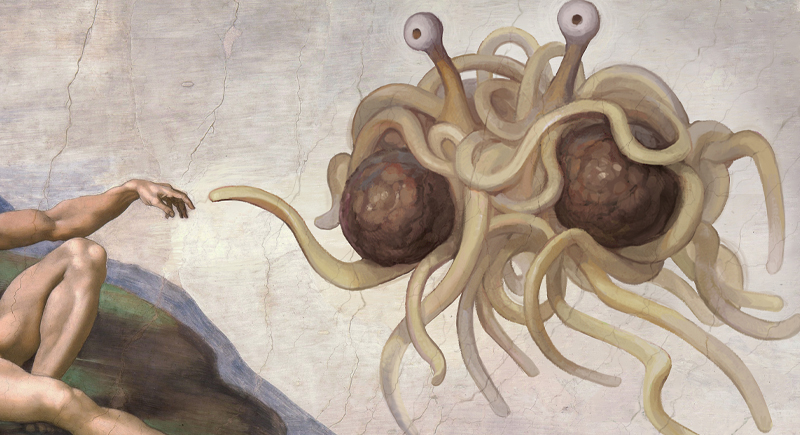
Bobby Henderson’s satirical response to Kansas school board decisions turned into a global parody faith. The Flying Spaghetti Monster mocks religious exemptions and uses humor to question government endorsements of religion. Some countries now accept Pastafarian headwear in ID photos, which reinforces its legal standing in certain contexts.
The Satanic Reformation (2010s–Present)
Credit: Canva
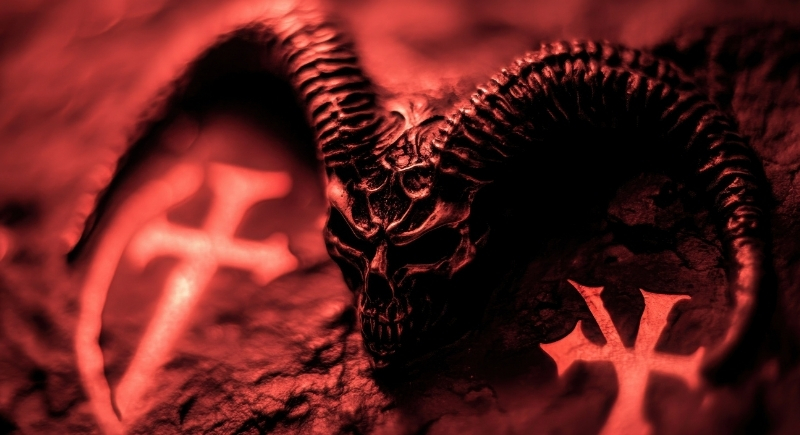
Groups like United Aspects of Satan and Satanic Delco formed as newer alternatives to the Church of Satan. They reject strict leadership and instead explore Satanic ideas in ways that focus on politics, philosophy, or local communities. This has turned modern Satanism into a mix of different, independent groups with their own approaches.
Organized Atheism and Secular Assemblies (2000s–Present)

Credit: iStockphoto
As more people disaffiliate from traditional religion, secular groups have started filling that social gap. Organizations like the Sunday Assembly offer community gatherings without supernatural beliefs. Groups such as the Center for Inquiry also provide ethical resources, advocacy, and events aimed at atheists, humanists, and skeptics.
QAnon-Inspired Spirituality (2020s)

Credit: Wikimedia Commons
Though it began as a conspiracy theory, QAnon now functions like a religious movement. Followers await revelations from an anonymous figure, interpret vague “drops,” and frame politics as cosmic warfare. Scholars compare its features to apocalyptic prophecy and cultic behavior, especially in its closed online communities.
Jews for Jesus (1970)

Credit: Wikimedia Commons
Moishe Rosen started Jews for Jesus to promote the belief that Jesus is the Jewish messiah. It functions as a Christian group focused on reaching Jewish people, though Jewish religious leaders don’t accept it. Most of its support comes from evangelical Christians, and it operates outreach programs worldwide.
The Law of One Movement (1980s–Present, Online Resurgence)

Credit: Getty Images
The Law of One began in the 1980s with channeling sessions that claimed to relay messages from a being called Ra. Its teachings focus on unity, past lives, and spiritual growth. Though it started decades ago, interest has grown again online, where it’s often connected to New Age ideas and alien origin theories.
Religion of Iduna (2025)

Credit: iStockphoto
A French TikTok creator introduced the Religion of Iduna in early 2025. The movement centers on four original goddesses, a small constructed language called Idunat, and separatist feminist beliefs open only to cisgender women. Its website (femmediduna.com) hosts basic theology and online forums. Despite the Norse-sounding name, it is unrelated to Norse mythology and remains a tiny, self-authored online religion with limited independent verification.