10 Things You Should Never Clean With Bleach
Bleach removes stains and kills germs through oxidation. That same chemical strength can destroy stuff when used on the wrong surface. Chlorine fumes can also irritate lungs and eyes during indoor use. Housekeeping usually works best when the cleaner matches the material. Knowing where bleach can cause long-term damage helps protect these items from getting destroyed.
Wood
Credit: pixabay
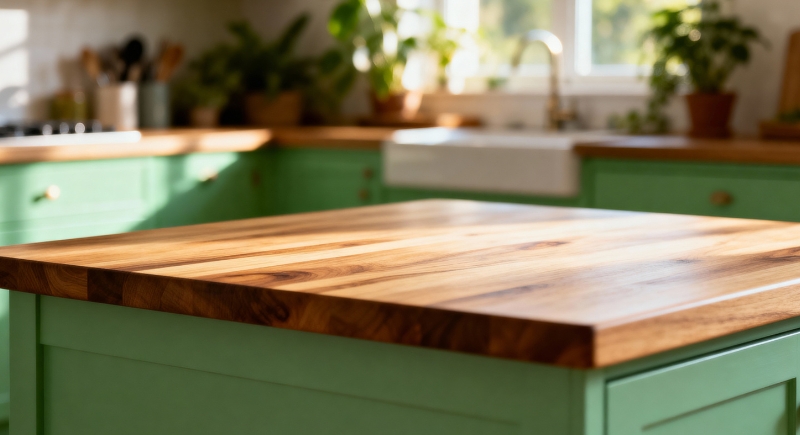
A beautiful dining table can slowly lose its life if harsh chemicals get into the grain. Wood absorbs liquid quickly because the fiber structure is porous. Bleach strips protective finish and removes natural oils that help prevent cracking. Over time, the surface can dry out and weaken. Opt for gentle wood cleaners instead; they maintain the finish. Routine dusting also keeps dirt from building up deep inside the grain.
Mold On Porous Materials
Credit: Getty Images
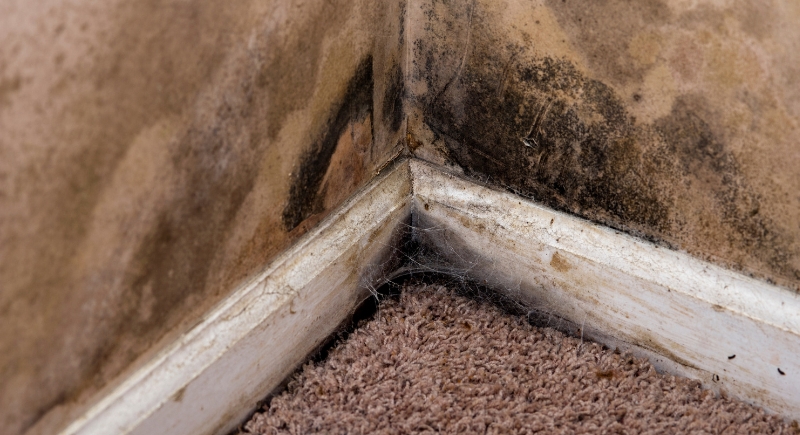
Seeing mold on drywall or wood can trigger the urge to disinfect immediately. Surface cleaners only affect what is visible since they cannot reach deep growth. Dead spores still affect indoor air quality. Removing contaminated material is more effective because it removes hidden roots completely.
Colored Fabrics
Credit: Canva
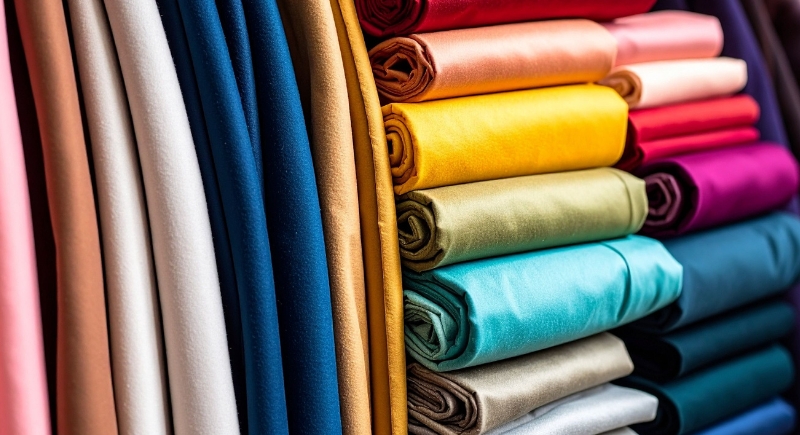
Laundry disasters often start with good intentions and the wrong bottle. Fabric dyes break down when exposed to oxidizers because the color molecules change structure. Once fading appears, it cannot be reversed. Color-safe detergents clean stains without removing dye, and checking fabric care labels prevents permanent clothing damage.
Stainless Steel And Metal
Credit: Canva
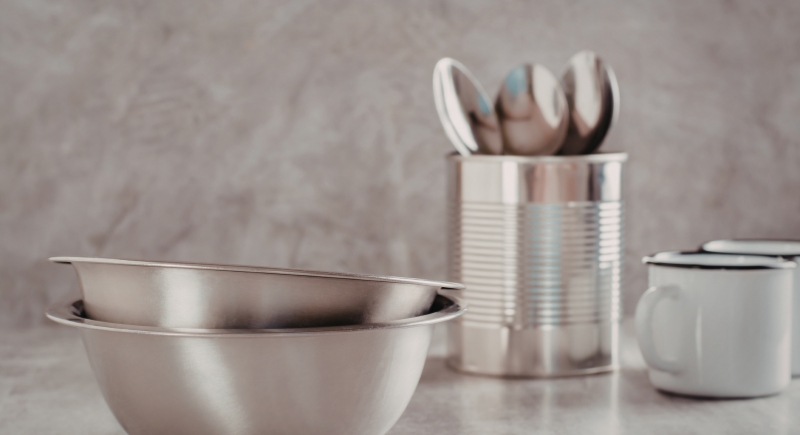
Stick to soap and water to safely remove grease; shiny appliances can lose their finish faster than expected with the wrong cleaner. Chlorine accelerates corrosion by reacting with metal surfaces and weakening protective layers. That’s when rust starts to form more easily. Another replacement you can use is stainless steel-specific cleaners. They help maintain shine without triggering chemical reactions that damage metal.
Natural Stone
Credit: pexels
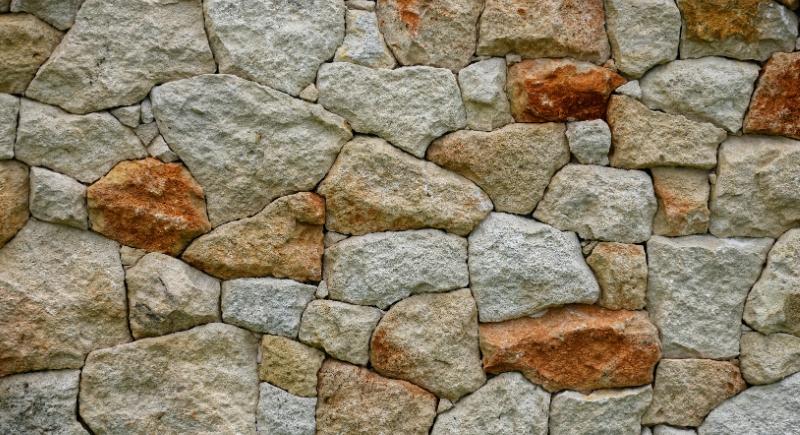
Stone surfaces contain minerals that react to strong chemicals, so stone-safe cleaners are recommended to protect their appearance. Moreover, regular sealing helps prevent moisture from entering pores. Bleach can etch polished stone and deteriorate protective sealants. Stains then start soaking into the surface faster. It’s also worth noting that high-end countertops can lose polish with repeated harsh cleaning.
Carpets
Credit: Getty Images
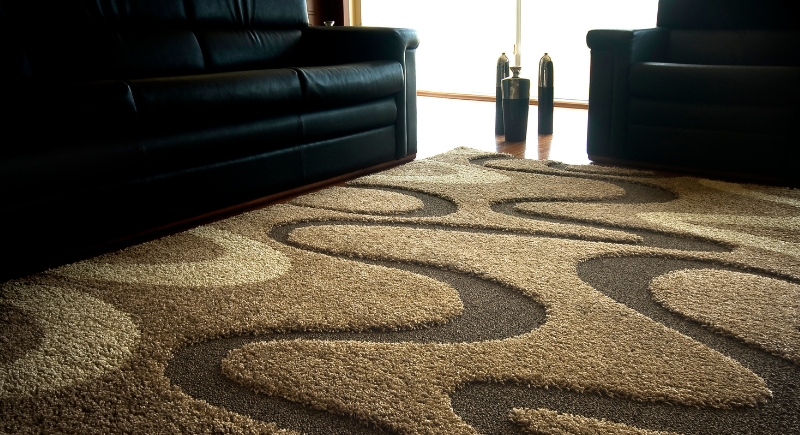
Who wants an ugly, permanent light spot from bleaching across their room? When exposed to oxidizing chemicals, carpet fibers wear out as the threads lose strength. Then there’s the dye fading once chlorine reaches the fibers. Its texture can change, too, because damaged threads break apart. Grab actual carpet cleaners instead. They’re designed to remove stains in fabrics while protecting the structure and color.
Leather
Credit: pexels
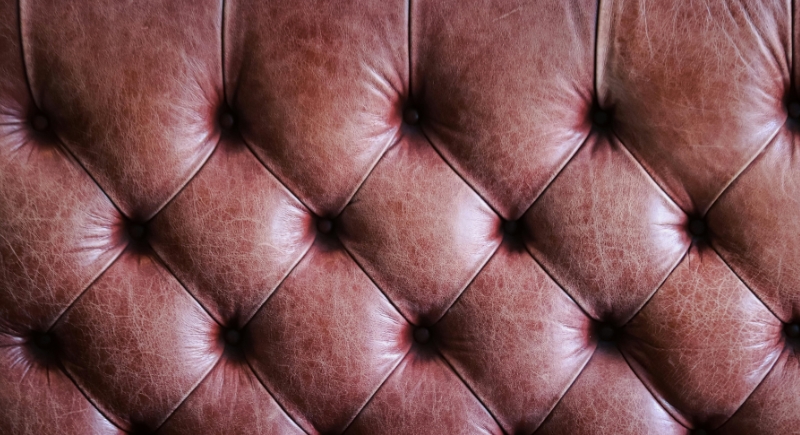
Expensive leather furniture can crack more quickly when natural oils are depleted. Leather depends on those oils to stay flexible and soft. Harsh chemicals remove moisture and leave fibers stiff. Once cracking begins, repair options are limited. Leather-specific cleaners help maintain leather’s softness, and conditioning replaces oils lost during everyday use.
Electronics
Credit: pexels
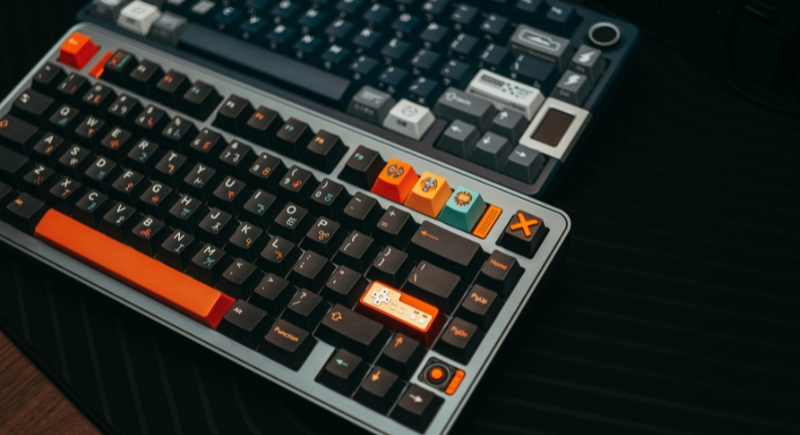
Don’t even think about cleaning your keyboard or phone with bleach if you don’t want trouble with hidden internal damage. Liquid can seep into seams and reach internal parts. Go for microfiber cloths to safely remove dust, and alcohol based solutions for sanitizing surfaces without leaving moisture behind. It’s worth noting that electronics contain metal contacts that corrode when exposed to chlorine residues.
Vinyl Flooring
Credit: Canva
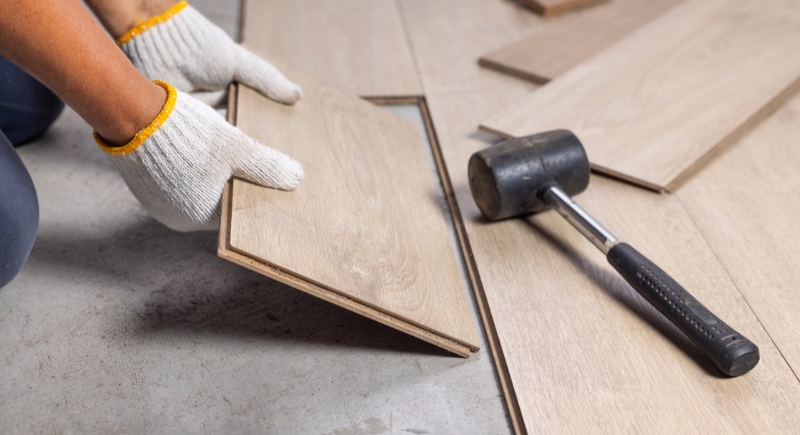
Floors that look durable still rely on protective coatings to prevent wear. Bleach strips that coating and exposes the vinyl underneath. Discoloration develops because raw vinyl reacts to light and foot traffic. Mild floor cleaners protect the finish, and regular sweeping removes grit that can scratch and wear down the surface.
Non-Stick Cookware
Credit: Wikimedia Commons
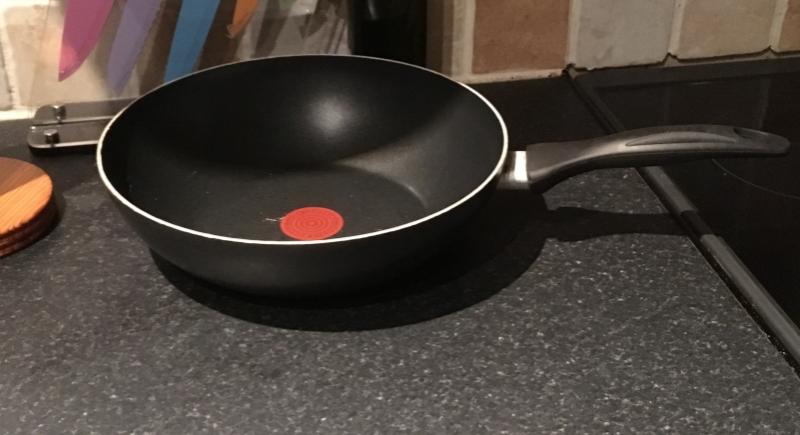
It sounds like a nightmare, but pans that once released food easily can start sticking after harsh cleaning. Dish soap safely removes grease, and soft sponges help protect the coating during routine washing. Non-stick coatings rely on chemical stability to stay smooth, and strong cleaners break down that surface layer. Once flaking begins, food sticks to exposed metal.