10 Things You Should Never Put in the Dishwasher
Dishwashers are built to save time, but they’re not made for everything in your kitchen. Some items break down slowly with each wash. They lose their shine, warp, or even fall apart completely. Others get damaged in one cycle and never work the same way again.
Before you load the next cycle, here are common kitchen items better off staying out of the dishwasher.
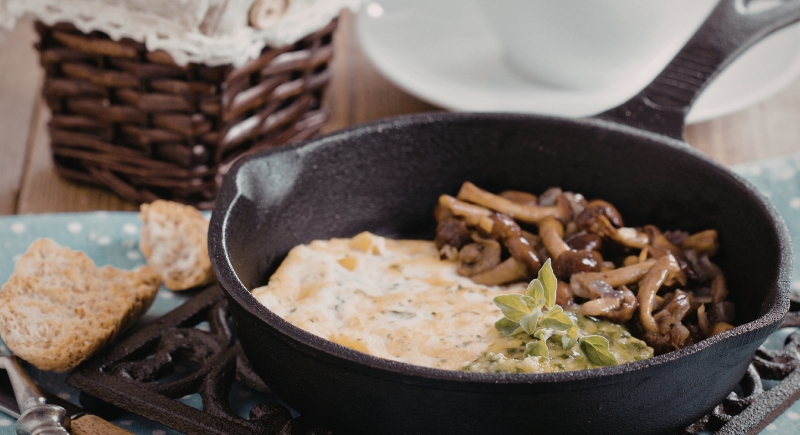
Cast Iron Skillets Lose Their Seasoning
Credit: Canva
Cast iron depends on a thin layer of baked-on oil to resist rust and reduce sticking. Dishwasher detergent removes that coating in a single cycle. The Good Housekeeping Institute’s Home Care & Cleaning Lab recommends keeping cast iron out of both the sink and the dishwasher because prolonged exposure to water can lead to corrosion and surface damage.
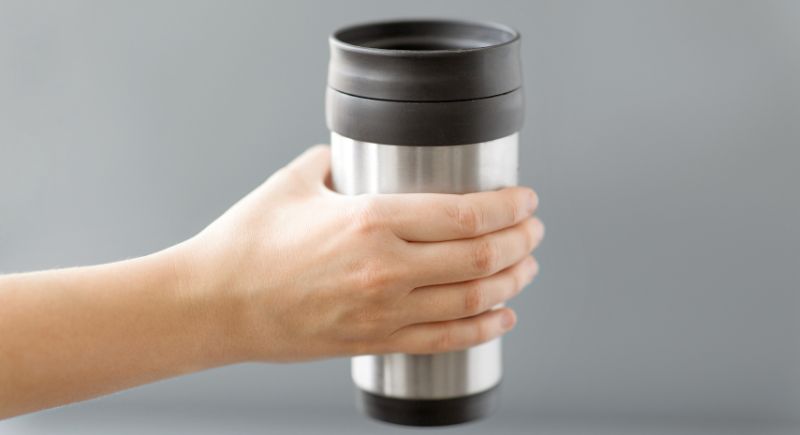
Insulated Mugs Can Lose Temperature Retention
Credit: Canva
Many vacuum-insulated mugs rely on a sealed space between the inner and outer walls. High dishwasher heat can damage that seal, which is what keeps drinks hot or cold. Once the vacuum is compromised, insulation drops off fast, even if the mug itself still looks perfectly fine.
Wooden Cutting Boards Warp And Crack

Credit: Canva
Wood changes shape when exposed to repeated moisture and heat. A cutting board in a dishwasher takes in water, then dries quickly, and that back-and-forth warps the surface. Eventually, it cracks or splits. Once that happens, cleaning becomes trickier, and bacteria have more places to settle.
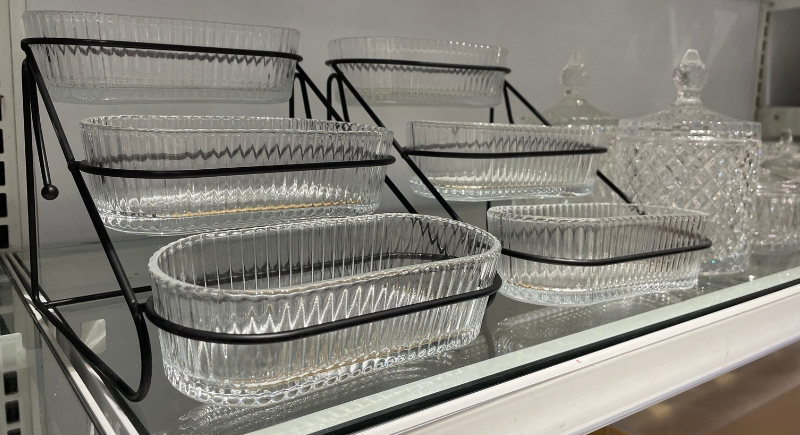
Crystal Glassware Becomes Cloudy Or Chips
Credit: Canva
Crystal glassware contains lead oxide, which makes it beautifully reflective but also fragile. The dishwasher’s high heat, harsh detergent, and jostling spray arms all chip away at that shine. Hard water makes it worse, leaving behind a dull white film that rarely scrubs off completely.
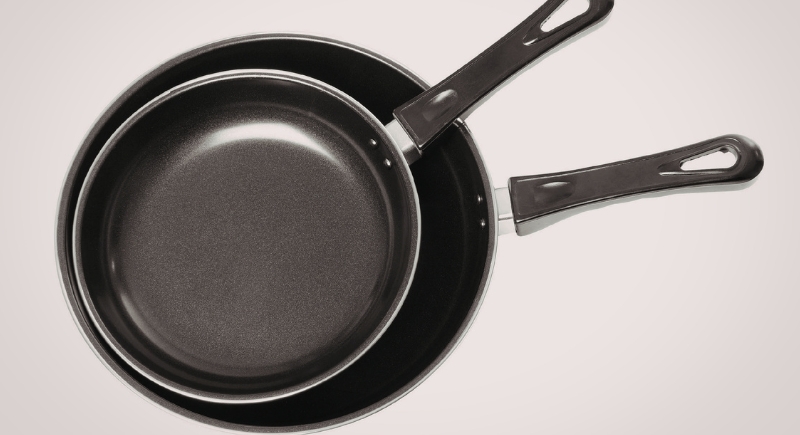
Nonstick Cookware Loses Its Coating Over Time
Credit: Canva
Nonstick pans are durable, but the coating does not last forever. Even dishwasher-safe options can wear down faster when cleaned in the machine. Harsh detergents and high heat slowly break down the surface, making it less slick and less reliable. Over time, that reduces performance and shortens the life of the pan.
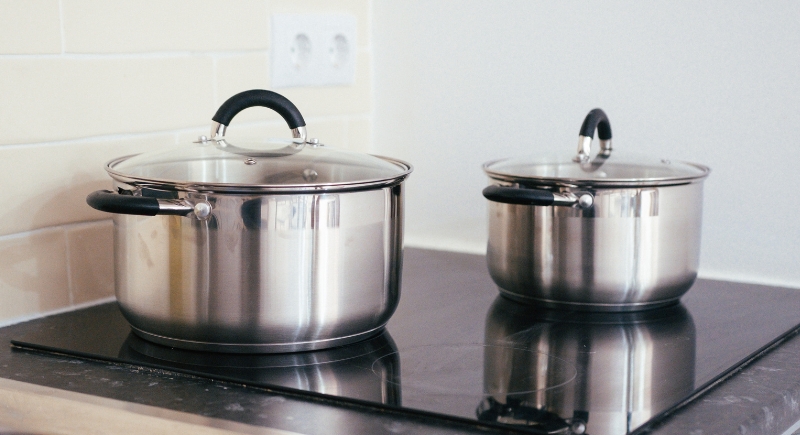
Aluminum Cookware Discolors And Oxidizes
Credit: pexels
Raw aluminum reacts with dishwasher detergent, and the change goes beyond surface stains. Gray marks or white spots can appear and often will not rinse away. After repeated washes, the metal may feel rougher and lose its shine. It is not dangerous to use, but the worn, dull look is hard to ignore.
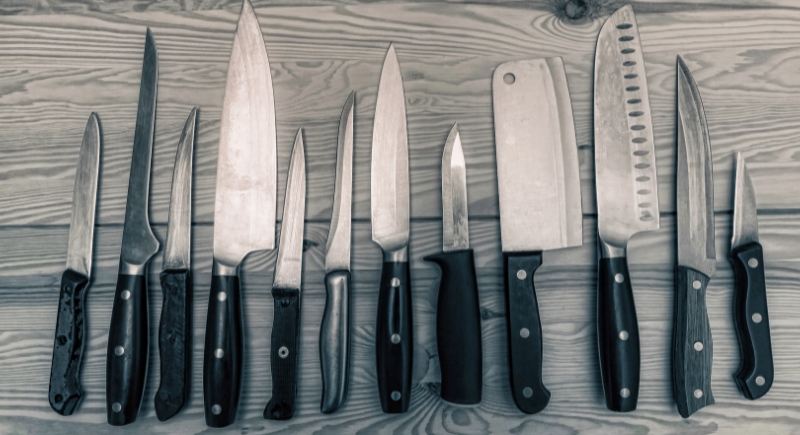
Chef Knives Dull And Suffer Handle Damage
Credit: Canva
Chef knives do not do well in the dishwasher. The constant jostling knocks the blade against racks and other dishes, which dulls the edge faster than handwashing. High heat and moisture can also damage the handle, especially if it is wood. Over time, you may notice cracks, looseness, or small chips along the blade.
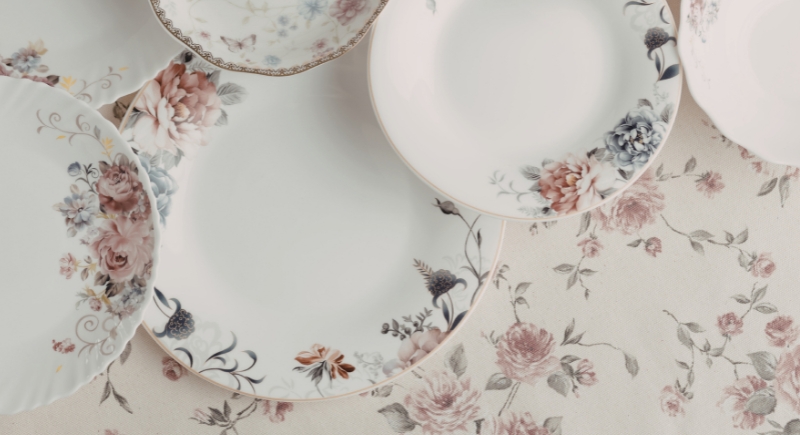
Fine China With Surface Decoration Fades
Credit: Canva
Many decorative china pieces have designs printed over the glaze rather than sealed beneath it. Repeated dishwasher cycles can gradually wear down those patterns. Hot water and strong detergent are especially hard on metallic rims, which fade even faster. If a piece is not clearly labeled dishwasher-safe, handwashing helps preserve both the design and finish.
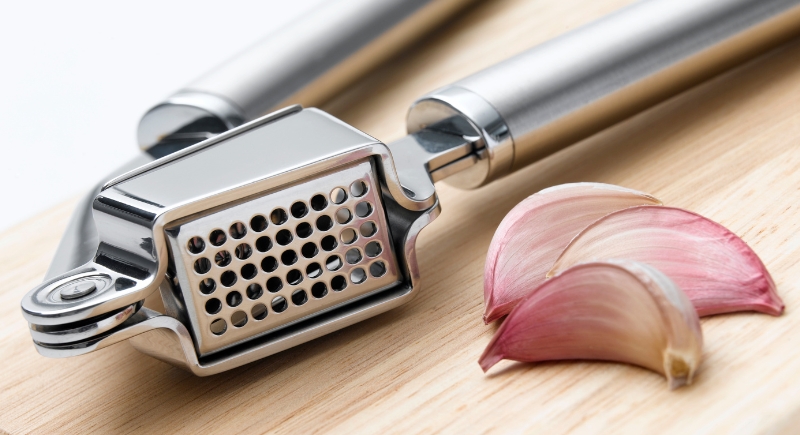
Garlic Presses Retain Food In Crevices
Credit: Getty Images
The holes in a garlic press are small, and the paste is sticky. Dishwashers can’t always push water through those tiny openings, so bits get left behind. Over time, that residue hardens and can hold onto flavor or odor, which shows up later when you least expect it.
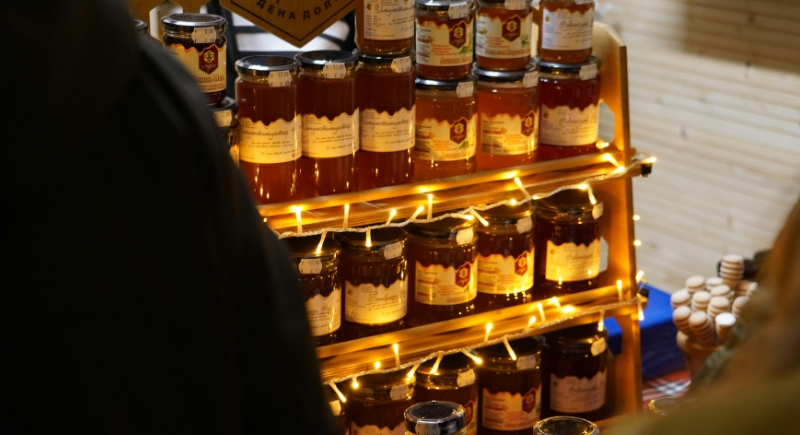
Labeled Jars Can Clog Dishwasher Filters
Credit: pexels
Paper labels and adhesive soften during a wash cycle and detach inside the machine. Loose fragments move toward the filter, where they restrict water flow and reduce cleaning performance. The sources warn that buildup can lead to maintenance issues that cost more to fix than replacing a reused jar.