10 Things You Should Never Pour Down the Kitchen Sink
Many homeowners treat the kitchen sink like a “black hole” for leftovers, assuming the garbage disposal can handle anything. In reality, that “out of sight, out of mind” mentality is a recipe for disaster. Certain every day scraps can cause plumbing disasters, including internal erosion and clogs. Before you face a midnight flood or a staggering plumber’s bill, here are the kitchen staples that should never go down the drain.
Used Cooking Grease
Credit: Canva
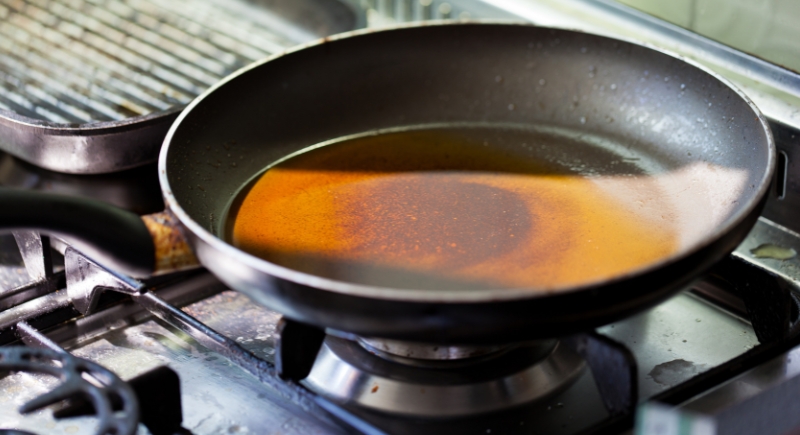
Pouring warm bacon fat or liquid grease down the drain is convenient until it hits the cold metal of your pipes. The fat will solidify and create a waxy sludge that traps other food particles as they pass. Over time, these layers thicken into “fatbergs” that can block your water flow. A good alternative is to keep an old glass jar under the sink to collect drippings, then dispose of the hardened mess in the garbage once it has cooled.
Uncooked Pasta And Rice
Credit: Canva
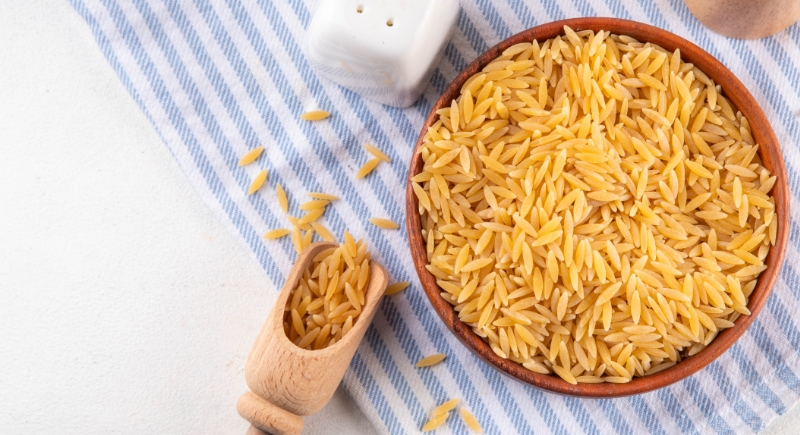
Grains and noodles are designed to absorb liquid, a process that continues even after they leave your plate. When small amounts of dry rice or spaghetti slip past the strainer, they swell to triple their original size inside the P-trap. This expansion creates a dense, soggy plug that refuses to budge.
Coffee Grounds
Credit: Canva
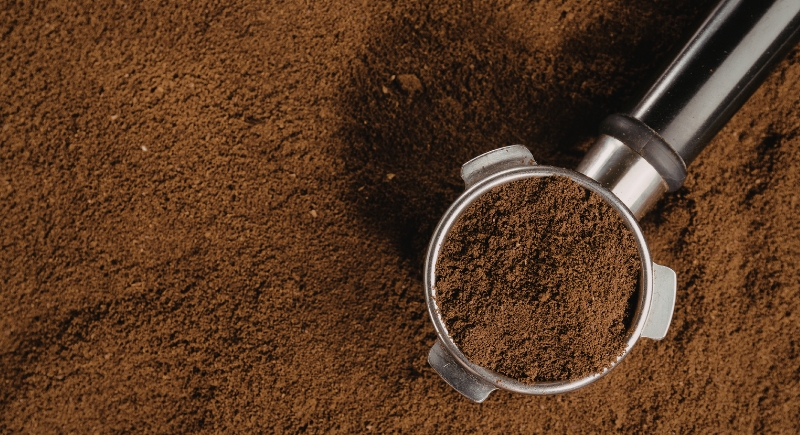
Many people believe coffee grounds help deodorize the sink or sharpen disposal blades, but plumbers disagree. These tiny granules settle in the low points of your plumbing and pack together like wet sand. This heavy sediment eventually forms an impenetrable barrier that requires professional snake removal. Your garden soil or compost bin is a much better home for those leftover morning grounds.
Stringy Celery Stalks
Credit: Getty Images
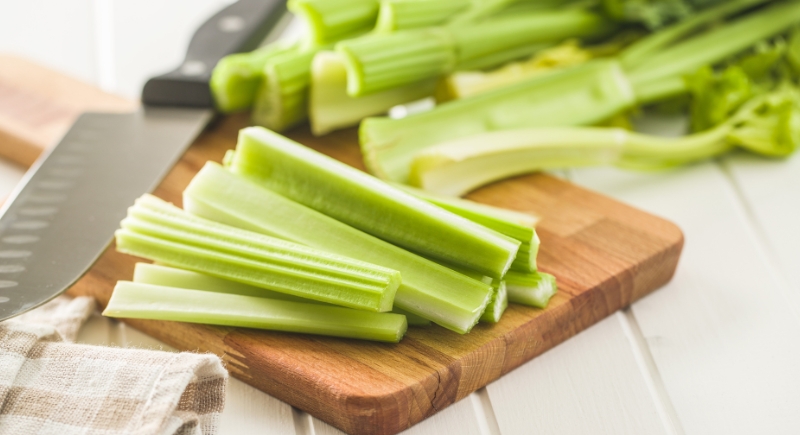
Fibrous vegetables like celery, corn husks, and asparagus are the natural enemies of a garbage disposal. Their long, tough strands wrap tightly around the rotating motor and burn it out. Even if they make it past the blades, the fibers form a net in the pipes that catches other debris.
Eggshells
Credit: Canva
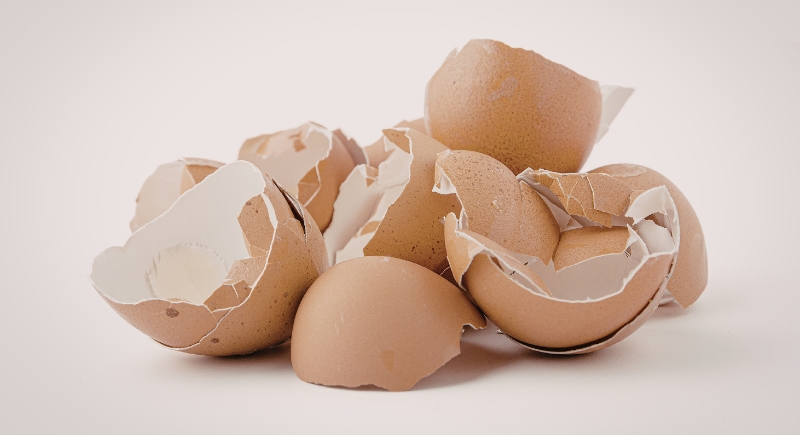
The thin membrane inside an eggshell is surprisingly stretchy and can easily snag on the moving parts of your kitchen hardware. When the shells are ground into a fine powder, the grit combines with existing grease to create a sandpaper-like paste. This mixture coats the interior of your pipes and creates a rough surface where more clogs can take root.
Expired Medication

Credit: pexels
Flushing old pills might seem like a safe way to keep them out of the wrong hands, but water treatment plants generally cannot filter out pharmaceutical compounds. These chemicals pass right through the system and enter local rivers or lakes. Research shows that even trace amounts of antibiotics and hormones can disrupt the endocrine systems of fish and other aquatic wildlife. Check for a local pharmacy take-back program to dispose of your medicine cabinet safely.
Potato Peels
Credit: Getty Images
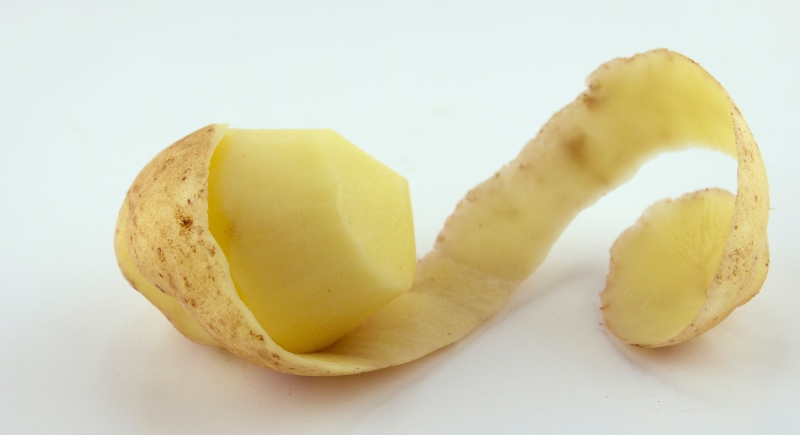
Starch is the primary ingredient in many industrial glues, and potato skins are loaded with it. When the disposal grinds these peels, they transform into a thick, sticky mash that clings to every surface it touches. This heavy paste is notorious for causing immediate backups during big holiday dinners.
Flour
Credit: Canva
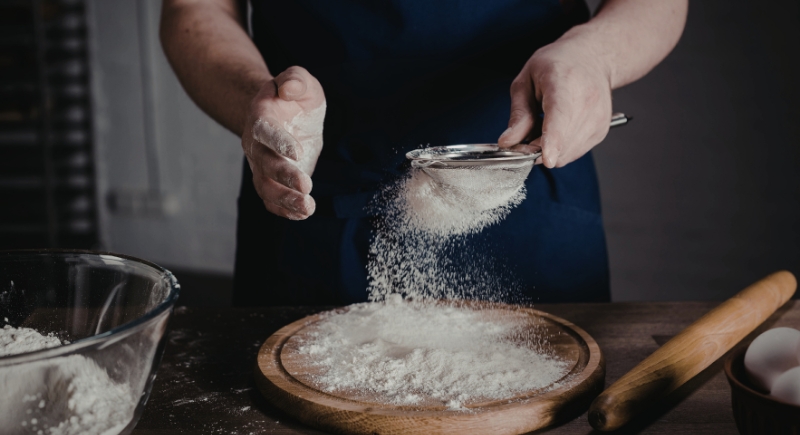
Mixing flour with water creates a homemade paste that hardens into a substance resembling drywall mud. If you dump a cup of flour down the drain while baking, it settles in the pipes and turns into a thick, gummy obstruction. Even a small amount can trap other food bits and lead to a stubborn blockage that water cannot wash away.
Fruit Stickers
Credit: Wikimedia Commons
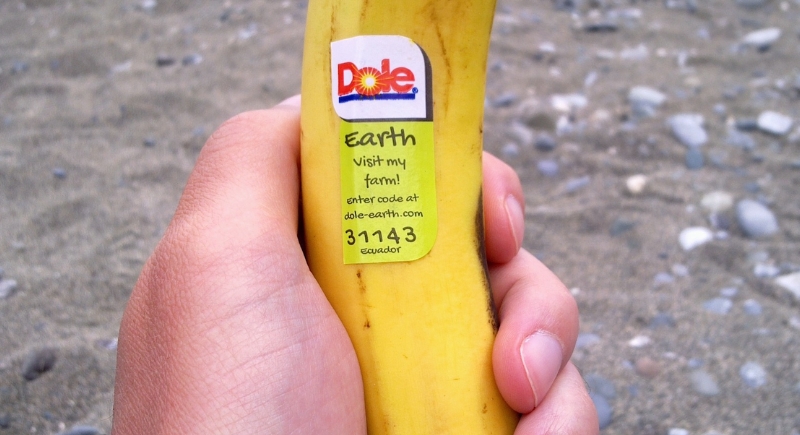
Those tiny plastic labels on apples and tomatoes are easy to forget about but indestructible. They don’t dissolve in water, and the adhesive backing helps them stick to the side of your plumbing or the disposal blades. Eventually, these stickers accumulate and snag other materials like hair or lint.
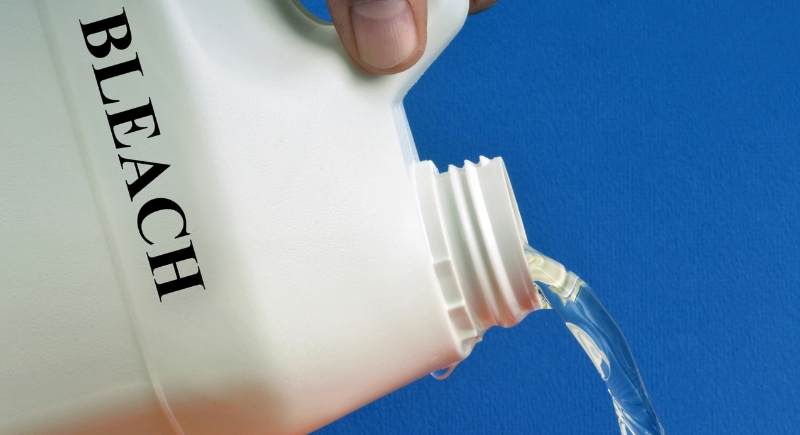
Cleaning Bleach
Credit: Getty Images
Harsh chemicals like bleach do more harm than good when poured down a kitchen sink. Bleach is highly reactive and can produce toxic fumes if it comes into contact with ammonia or vinegar trapped in the pipes. It can also, over time, damage the integrity of seals and pipes through corrosion. Using a mixture of baking soda and warm water is a safer way to freshen the drain.