10 Things You Should Never Plug Into a Power Strip
The average power strip is working way harder than it should. It turns one outlet into six, but it does not magically create more electricity behind your walls. A standard 15-amp household strip maxes out at about 1,800 watts, and pushing past that limit can overheat the wiring fast. The U.S. Fire Administration reports nearly 51,000 home fires each year tied to electrical malfunctions, and overloaded strips are part of that picture. Here’s where things get risky.
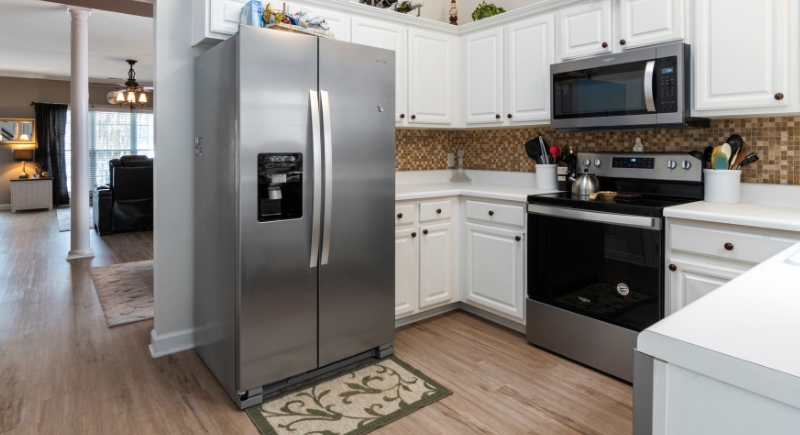
Refrigerators And Freezers
Credit: pexels
Your fridge cycles on and off all day, which means it pulls power 24/7. When the compressor kicks in, the voltage needs to stay steady, and power strips are not built to guarantee that stability. Electricians warn that sharing a strip with other devices can trip the circuit or strain the appliance. Compressor repairs can run hundreds of dollars, so plugging it straight into a dedicated wall outlet is the smarter move.
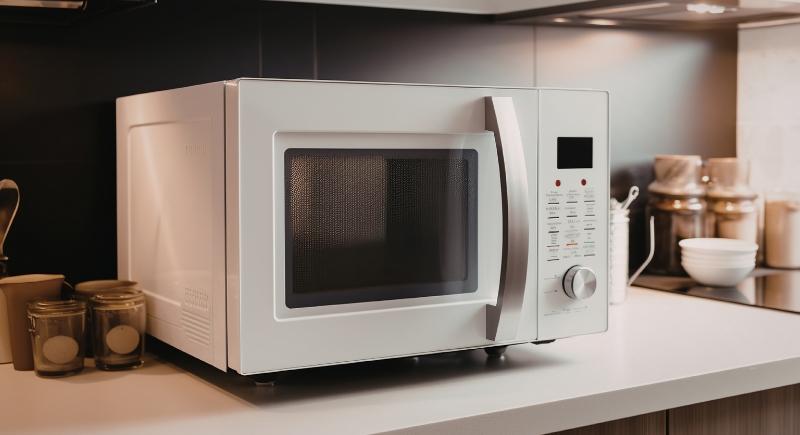
Microwaves
Credit: Canva
The second you press start, a microwave demands between 12 and 15 amps. That is nearly the full capacity of many standard strips. If the strip overheats, the fire risk climbs quickly. Kitchen outlets are designed for this kind of load, but lightweight strips are not.
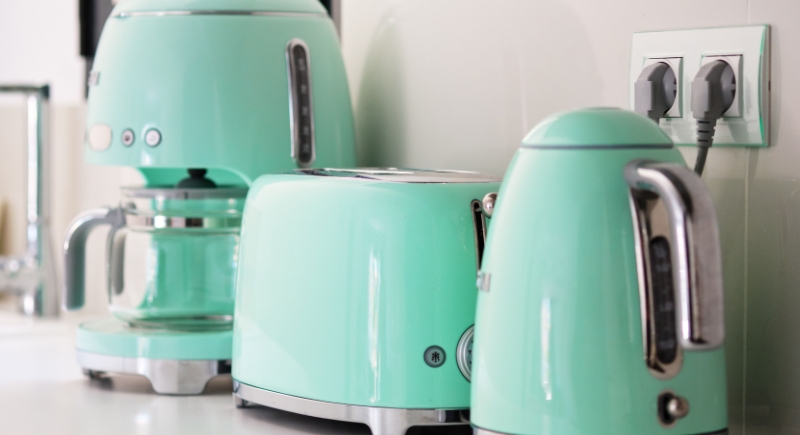
Coffee Makers And Toasters
Credit: Getty Images
Breakfast appliances may look harmless, but their heating elements pull serious wattage. Toasters rely on exposed internal wires that heat up rapidly, and coffee makers draw strong power while brewing. Electricians have seen melted cord insulation from plugging these into strips. Heat plus shared capacity is not a great combination.
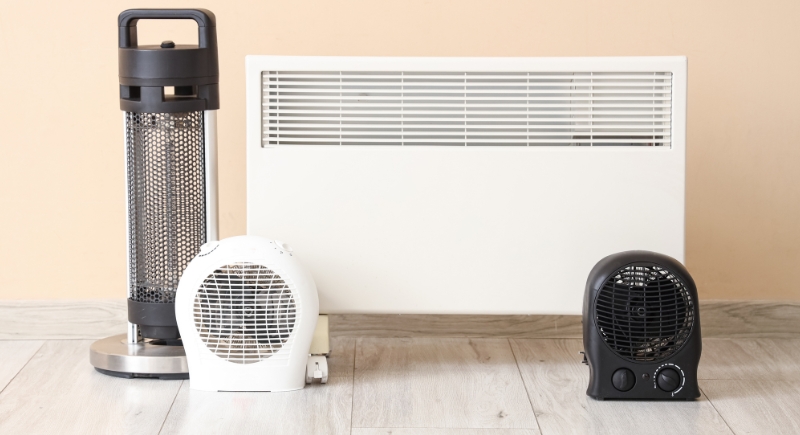
Space Heaters
Credit: pixelshot
Space heaters use high wattage to generate warmth, and that demand can overwhelm a strip in minutes. Electricians regularly report melted plastic casings and scorched cords linked to heaters. When components overheat, the risk of ignition rises.
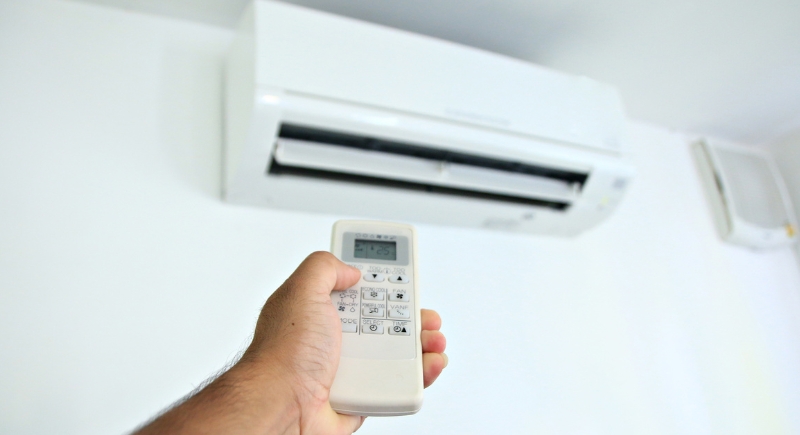
Air Conditioners
Credit: Canva
Cooling down a room takes muscle. Air conditioners draw heavy electrical loads, especially at startup. Most standard strips are not rated for that sustained demand. Even professionals who allow extension cords insist they must be heavy-duty and properly rated. A typical strip simply cannot support an AC unit without overheating.
Hair Dryers And Styling Tools

Credit: Canva
Hair dryers pull a large amount of electricity in short bursts, and curling irons and flat irons generate intense heat as well. Bathrooms are supposed to have GFCI outlets to reduce the perils of shock around water. Basic strips do not provide that protection. When water and high wattage share a space, direct wall access matters.
Medical Devices

Credit: Getty Images
Certain machines are not optional. CPAP devices, for example, require continuous and stable power throughout the night. Even brief interruptions can interfere with essential treatment. Standard strips do not guarantee steady voltage. For equipment that supports breathing, plugging directly into a wall outlet keeps reliability at the forefront.
Gaming PCs And High-End Audio Systems

Credit: Canva
High-performance electronics are sensitive to voltage spikes. Basic strips only offer extra outlets, not real protection. Brands like APC and Tripp Lite manufacture surge protectors that absorb excess voltage during lightning strikes or sudden surges. If the setup costs thousands of dollars, protecting it should not be an afterthought.
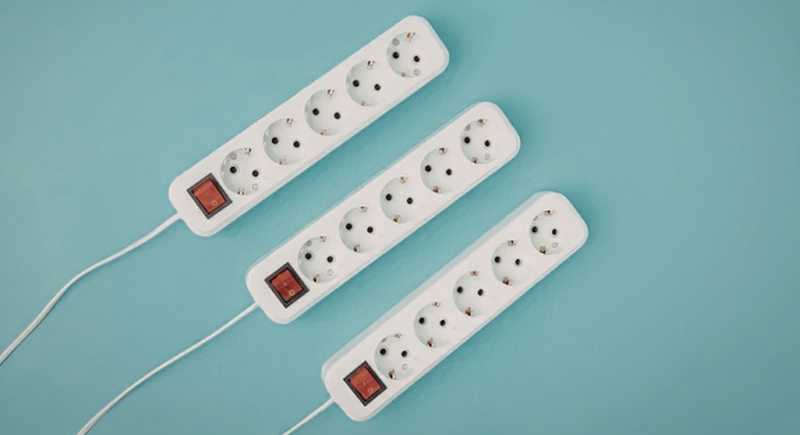
Another Power Strip
Credit: Canva
Stacking one strip on top of another is called daisy-chaining, and fire codes prohibit it for a reason. Each strip must plug directly into a permanently installed wall outlet. When multiple strips are linked together, heat builds up inside the cords and connectors. Overloaded wiring hidden behind furniture has started more than a few house fires.
Washing Machines And Power Tools

Credit: pixelshot
Large appliances and heavy-duty tools draw serious amperage when their motors engage. A washing machine cycles through high-demand phases, and power tools spike the moment you pull the trigger. A strip rated at 1,800 watts cannot safely support that kind of load. Overheating becomes likely as motors switch on and off.