9 Things You Should Never Leave in a Hot Car
Opening a parked car on a hot day feels like stepping into a blast furnace. In just 10 minutes, the temperature inside can climb nearly 20°F, and after an hour, it can reach 45°F above the air outside. During heatwaves, interiors regularly soar past 120°F, which is the upper storage limit printed on many household products. That “I’ll only be a minute” decision is how hidden hazards come to play.
Children

Credit: Canva
Heatstroke inside vehicles happens fast. In 2024, 39 children in the United States died after being left in hot cars, which marked a 35% increase from the previous year. A child’s body temperature rises three to five times faster than an adult’s, so the danger escalates quickly. Studies show that cracked windows do not significantly reduce heat buildup. Within minutes, the cabin can reach levels that overwhelm a small body.
Pets
Credit: Canva
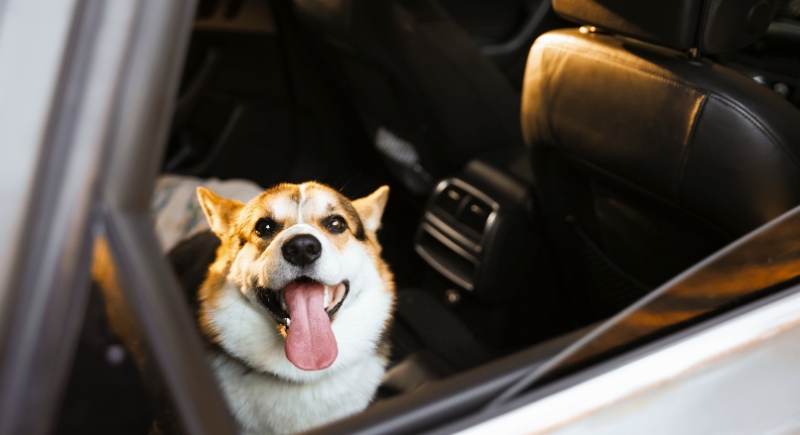
Dogs depend heavily on panting to regulate body temperature. When a car interior rises 45°F above the outdoor temperature, that cooling method cannot keep up. Even on mild days, the interior can become extremely hot, and cloudy skies do not prevent the buildup. Every year, hundreds of pets die from overheating in vehicles across the United States.
Medications
Credit: Getty Images
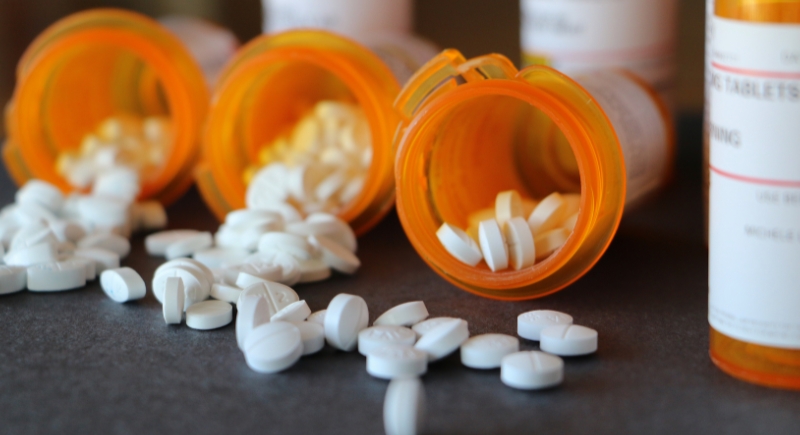
Most prescription drugs are labeled for storage between 68°F and 77°F. When exposed to temperatures above 120°F inside a car, their chemical stability can degrade. Heat can reduce a medication’s effectiveness and alter its performance in the body. Visible changes, such as discoloration or an unusual odor, can signal damage. Once compromised by heat, medication cannot regain its original potency.
Electronics
Credit: Canva
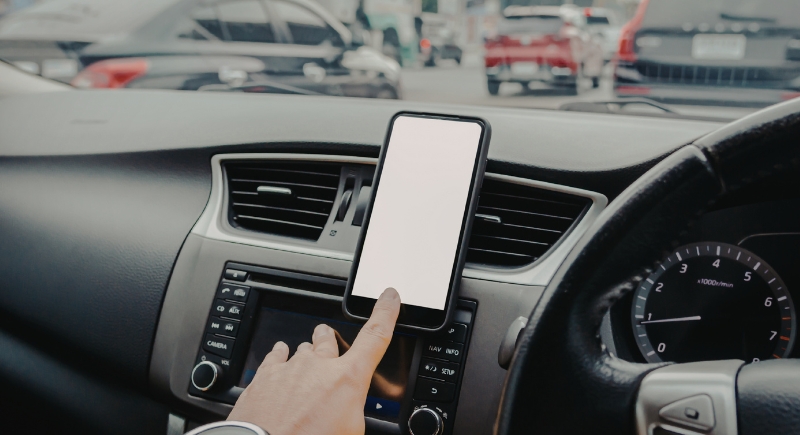
A dashboard can become a slow cooker for expensive tech. Smartphones and laptops operate within specific temperature ranges set by manufacturers. Excessive heat can damage internal components and permanently reduce battery capacity. Lithium-ion batteries degrade faster when repeatedly exposed to high temperatures. Devices may even shut down automatically when overheated to prevent further harm.
Aerosol Cans
Credit: Canva
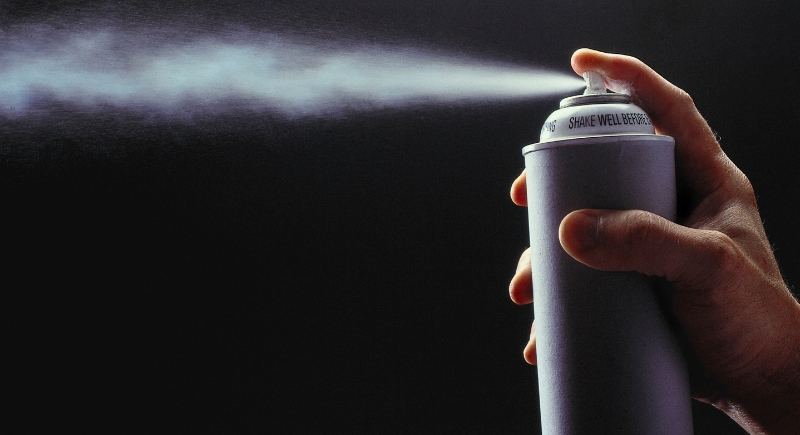
Most aerosol products clearly warn against storage above 120°F. Heat increases the internal pressure inside the sealed can. As pressure rises, the container can weaken and potentially rupture. Documented incidents show that extreme heat can cause cans to burst inside vehicles.
Lighters
Credit: Canva
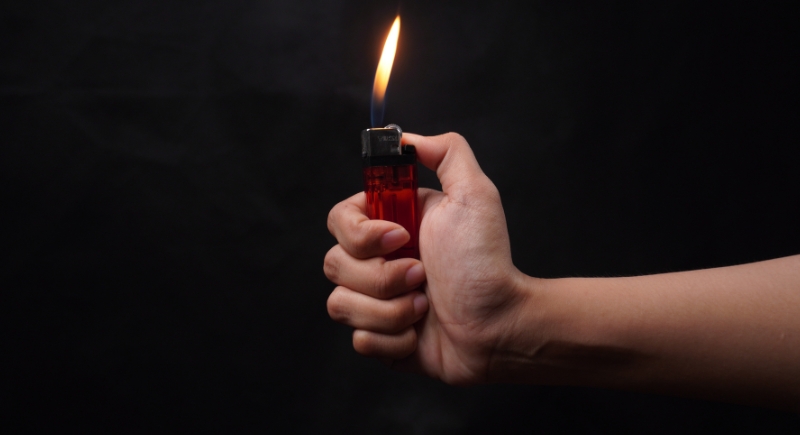
Disposable lighters contain pressurized flammable fuel. As temperatures rise, that fuel expands while increasing internal pressure. If the casing fails, the lighter can leak or ignite. Direct sunlight intensifies the risk by pushing temperatures even higher. A lighter forgotten in a hot car can become a fire hazard in a surprisingly short time.
Food And Groceries
Credit: Canva
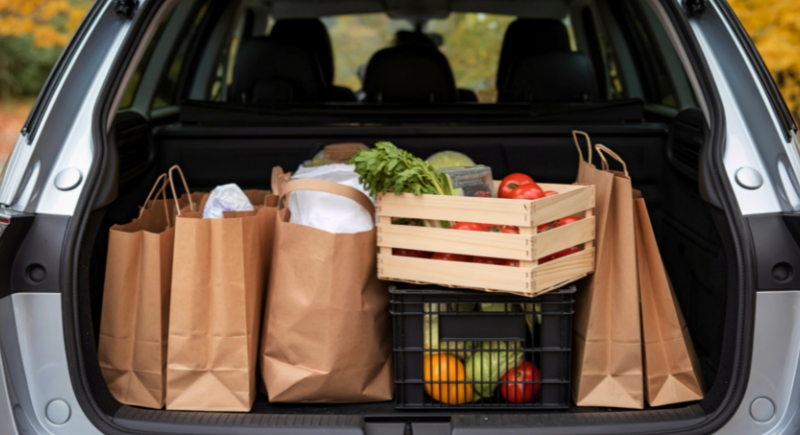
Perishable foods must be refrigerated within 2 hours; the window drops to 1 hour when temperatures exceed 90°F. Harmful bacteria can double every 20 minutes in warm conditions. Even sealed containers are not immune to heat-related spoilage.
Plastic Water Bottles
Credit: Canva
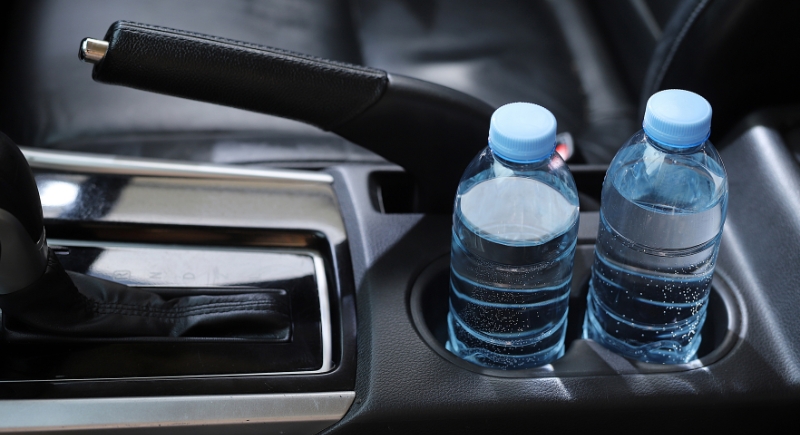
High heat can increase the migration of chemicals from plastic into bottled water. Studies have linked compounds like BPA and phthalates to potential health concerns. The leaching process accelerates when bottles sit in direct sunlight. Water left in a hot car for hours may contain higher levels of these substances.
Sunscreen
Credit: Getty Images
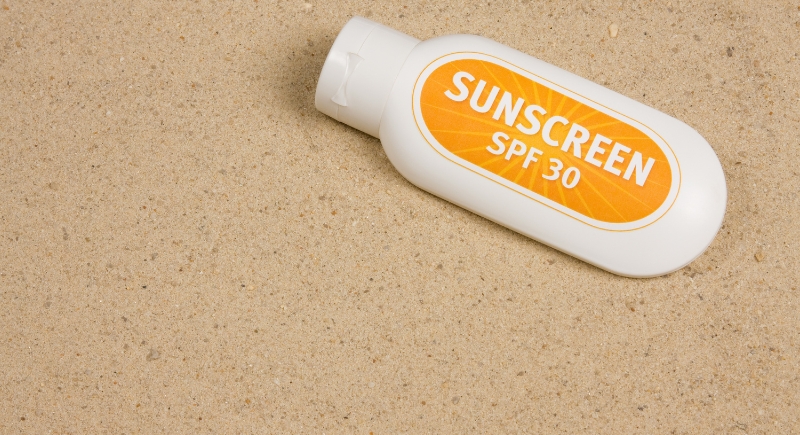
Sunscreen formulas are designed to protect against UV radiation, but heat shortens their shelf life. Elevated temperatures break down active ingredients that provide sun protection. Once degraded, the product may appear normal but offer less defense. Reduced effectiveness increases the risk of sunburn and long-term skin damage.