10 Serial Killers Who Were Never Caught
People are fascinated by serial killers because of how they function. At the same time, these individuals pose a real danger to the society we live in. Their crimes leave families grieving, and communities unsettled. What deepens the intrigue is how some of them managed to evade authorities for years, sometimes for decades. Detectives pursued leads, analyzed evidence, and questioned suspects, yet several cases never reached a definitive legal end.
Jack The Ripper
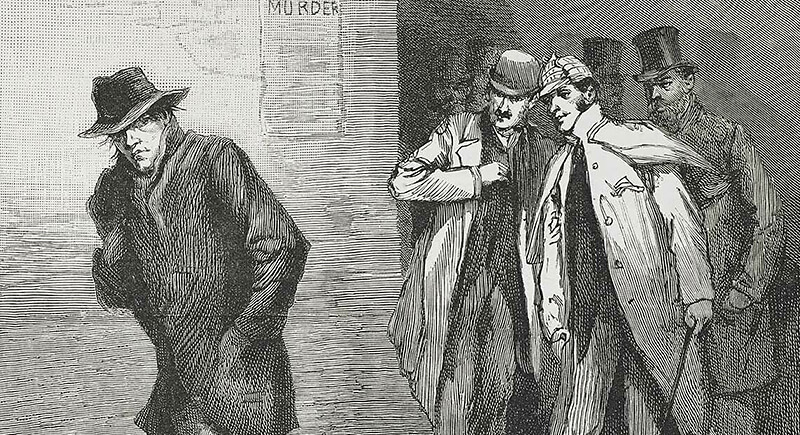
Credit: Wikipedia
In 1888, five women became casualties in London’s Whitechapel district in crimes marked by severe mutilation. The brutality suggested anatomical knowledge, which pushed investigators to consider suspects with medical training. Letters signed “Jack the Ripper” appeared in newspapers, though many were later dismissed as hoaxes.
The Long Island Killer

Credit: Youtube
Bodies discovered near Gilgo Beach in 2010 revealed a pattern that stretched back years. Most individuals were intimate workers who had advertised online. Officials eventually connected between ten and seventeen eliminations to a single offender. In July 2023, authorities arrested Rex Heuermann and charged him with multiple deaths. He has pleaded not guilty, and the broader investigation remains active as prosecutors continue building their case.
The Zodiac Killer
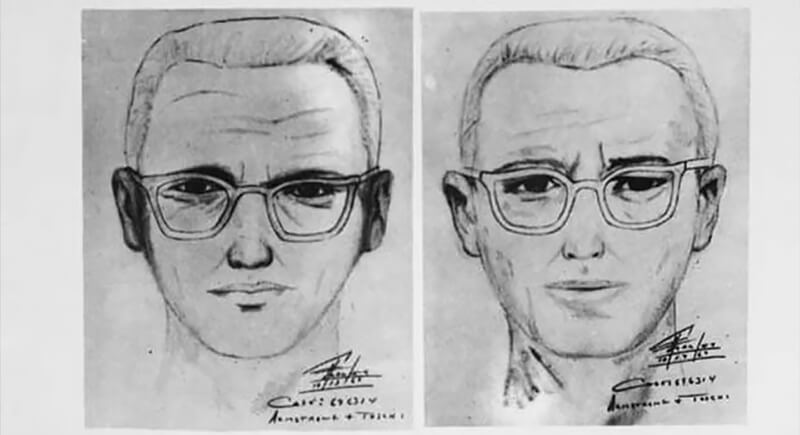
Credit: Wikipedia
You may picture investigators scrambling to keep up as letters began arriving at California newspapers. Experts collected the envelopes and worked with federal agencies to crack the ciphers he sent. The Zodiac Killer also inserted himself into the case by demanding publicity and threatening more violence.
The Highway of Tears Killer
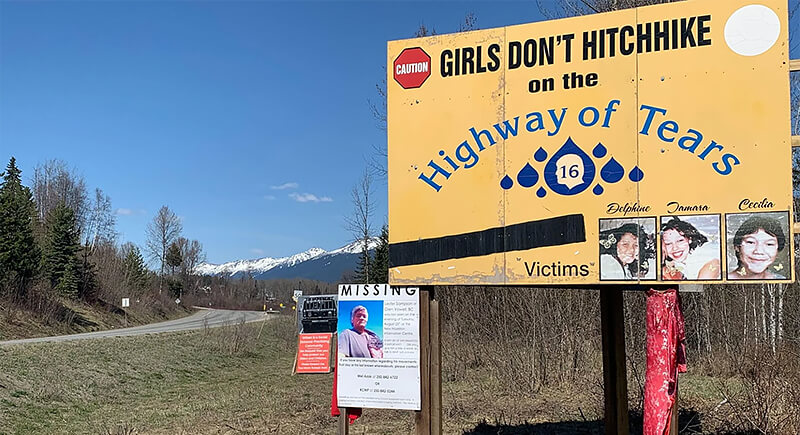
Credit: Reddit
At least eighteen women, many of them Indigenous, lost their lives or disappeared along Highway 16 in British Columbia beginning in 1969. The scale and duration of these cases pushed authorities to respond more formally. In 2005, the Royal Canadian Mounted Police created a dedicated task force to reexamine files and coordinate procedures across jurisdictions.
The West Mesa Bone Collector
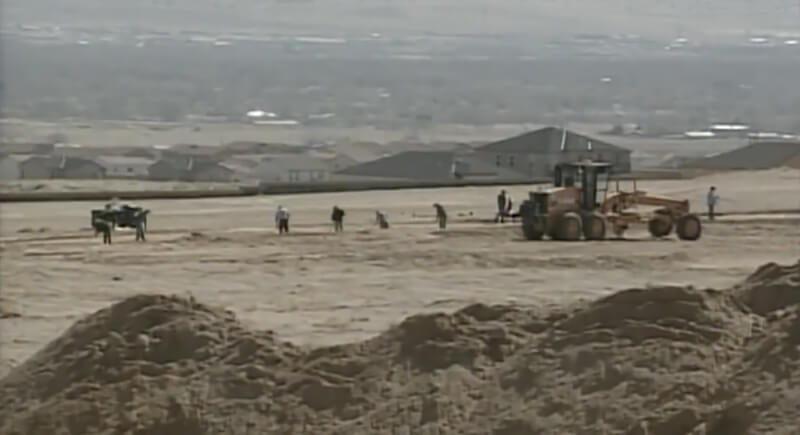
Credit: Youtube
If you followed the news in 2009, you likely heard the name Lorenzo Montoya repeated in connection with a grim discovery in Albuquerque. That year, detectives uncovered eleven sets of remains in the West Mesa area. Montoya became a major person of interest after his passing, yet officials never secured conclusive proof tying him to all the people harmed.
The Babysitter Killer
Credit: Wikipedia
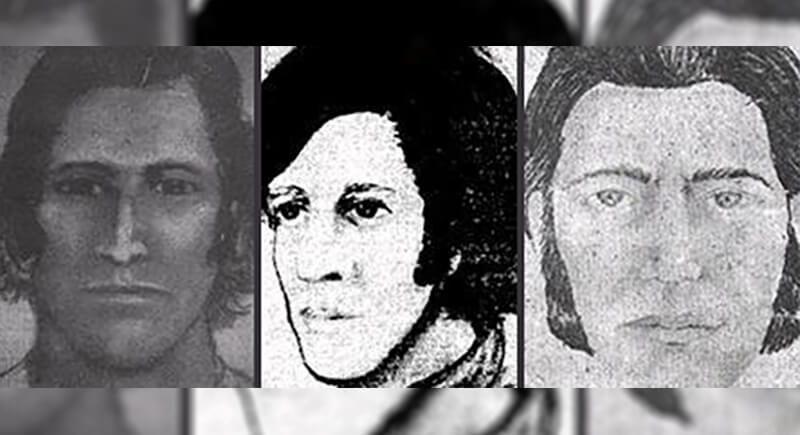
Oakland County, Michigan, endured a tense period between 1976 and 1977 after four children were abducted and later found unresponsive. Analysts determined the perpetrator held each child captive for several days and bathed them. Decades later, forensic experts created a DNA profile connected to the crimes. However, that profile did not match anyone in national databases.
Bible John
Credit: Wikipedia
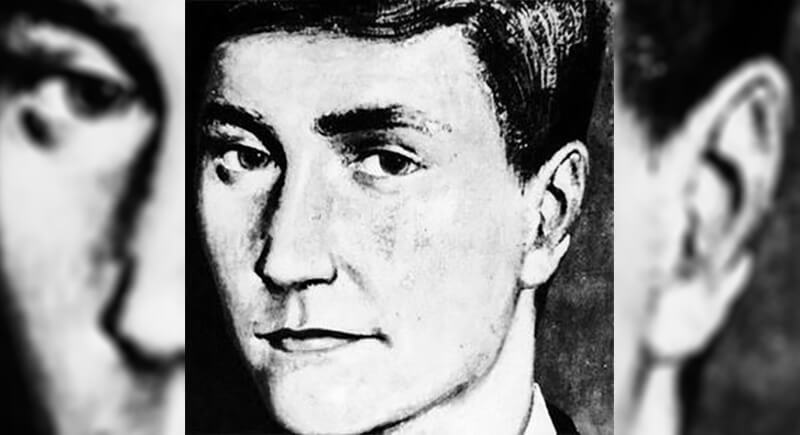
It is unusual for a serial offender to openly reference scripture during casual conversation, yet that detail became central to this case. Glasgow police launched a massive manhunt after three women were targeted. A surviving witness recalled his repeated biblical remarks, which led to him being labelled “Bible John.”
The Alphabet Killer

Credit: Youtube
Each of the three victims of the Alphabet Killer shared matching initials in her first and last name, and their bodies were discovered in towns that mirrored those initials. Forensic teams believed the pattern indicated deliberate planning. Several suspects were questioned over the years of the inquiry, but the people in charge came up empty-handed.
The Axeman Of New Orleans
Credit: pexels
As you might have guessed from the name, the Axeman of New Orleans attacked individuals with an axe, and sometimes a razor. He would enter homes as an intruder, which allowed him to carry out twelve assaults and leave six people lifeless. The part that stood out was that he typically used tools from within the house to commit the crime.
The Servant Girl Annihilator
Credit: servantgirlmurders
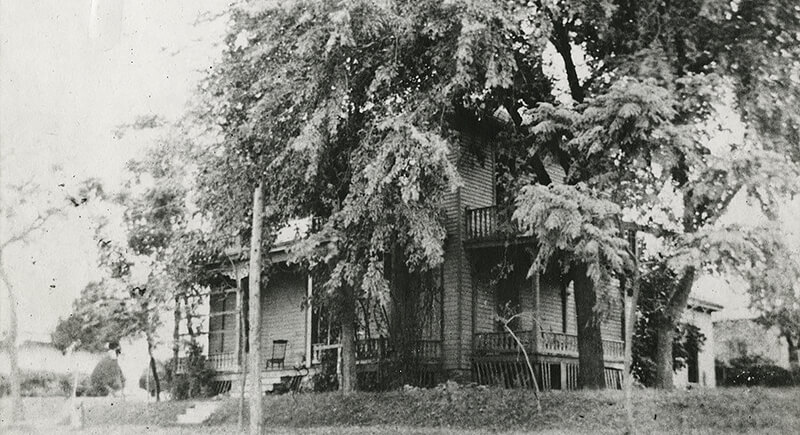
Austin, Texas, confronted a wave of violence that targeted domestic workers. Police arrested more than four hundred men during the investigation. Modern researchers have suggested Nathan Elgin as a possible suspect due to footprint evidence. But no confirmed conviction came as Elgin became a victim of a police shooting in 1886.