12 Foods You Should Never Buy Pre-Cut
Pre-cut produce looks like a small favor on a busy day, because a clean label and the promise of saved time make it easy to say yes. However, the way it’s cut changes the food itself. The texture, flavor, safety, and value of these foods change the moment a knife is first used.
Minced Garlic
Credit: Getty Images
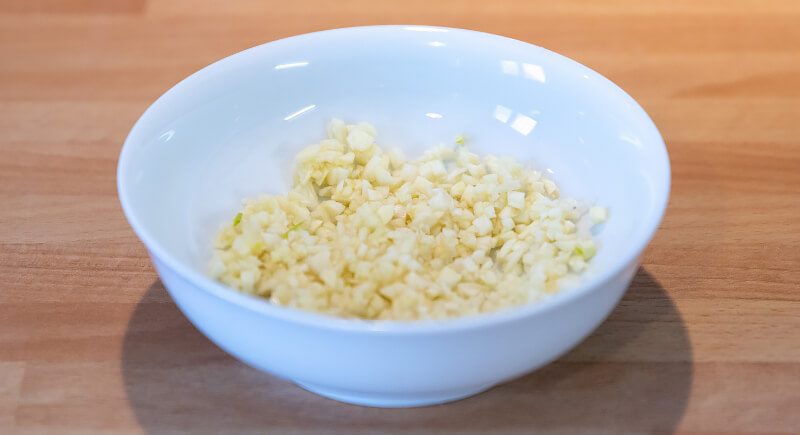
Garlic’s signature punch comes from compounds released the moment it’s chopped or crushed. Pre-minced garlic undergoes processing steps such as pasteurization and acidification to maintain its shelf stability, which noticeably softens its aroma and flavor. While it still works in a pinch, the intensity just isn’t the same.
Pre-Cut Broccoli
Credit: pexels
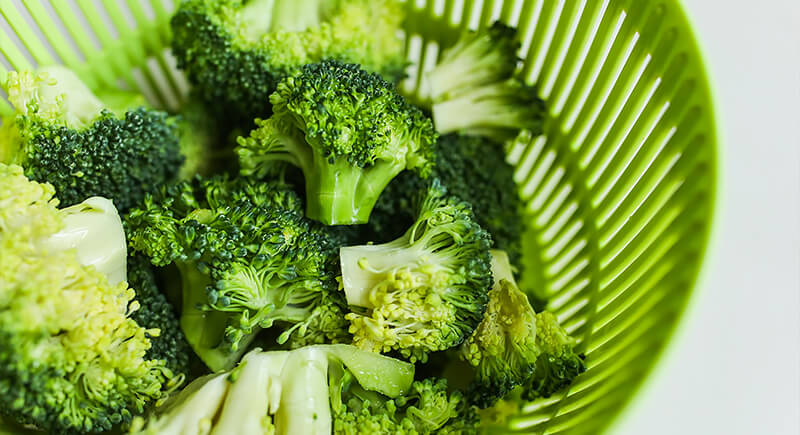
Broccoli is one of the least demanding vegetables in the produce aisle. A quick rinse and a few knife cuts separate florets in under a minute. Pre-cut versions skip that small step but arrive drier and more fragile. Yellowing shows sooner, stems lose snap, and the bag often empties faster than expected.
Pre-Cut Melons
Credit: iStockphoto
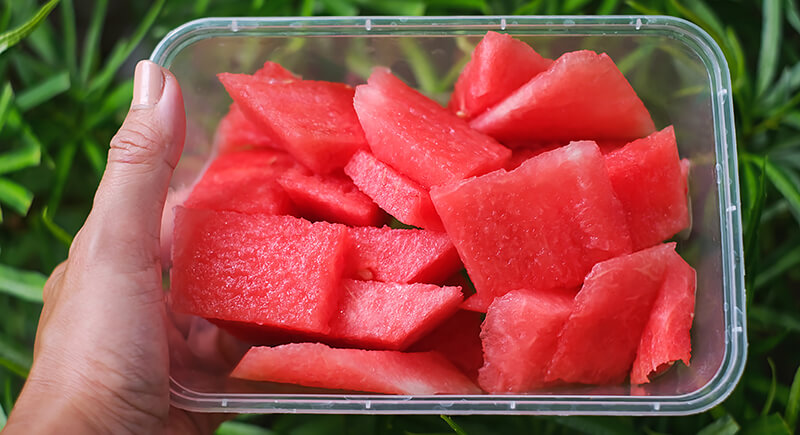
Melon containers look especially tempting with their bright colors, smooth rind, and minimal mess. Those packages hide a well-documented food safety issue. Melon rinds can easily carry bacteria, and slicing spreads them across the flesh. Once cut, refrigeration slows growth but never completely eliminates the risk.
Pre-Sliced Cucumbers
Credit: Wikimedia Commons
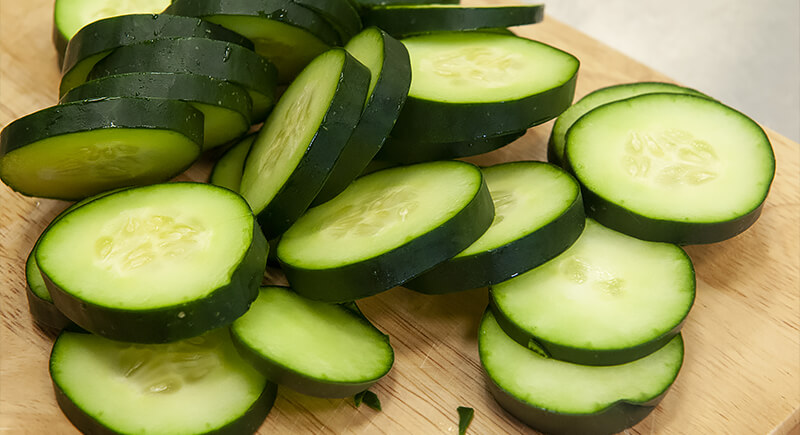
Cucumbers are surprisingly fragile once preparation happens ahead of time. High water content seeps out quickly and pools at the bottom of containers. Flavor dulls as texture softens. Whole cucumbers hold their crunch longer in the fridge, and slicing them at mealtime keeps salads and snacks feeling fresh.
Sliced Apples
Credit: iStockphoto
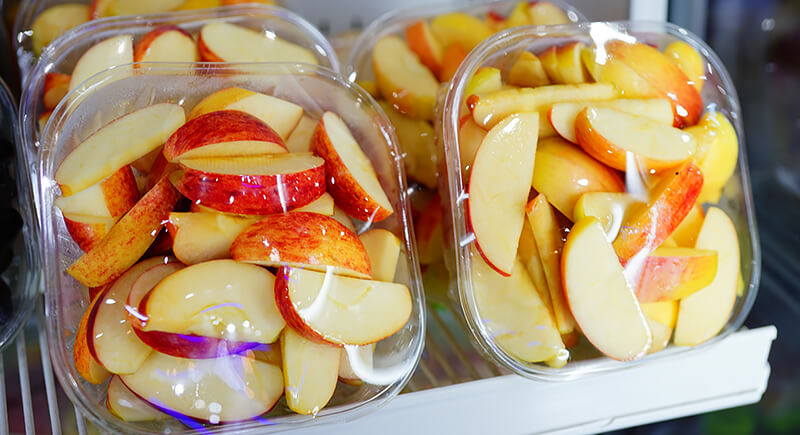
Perfectly pale slices that promise freshness long after a whole apple would start browning are a red flag. Their appearance results from treatments designed to delay oxidation, rather than the fruit remaining truly fresh. The fruit softens, and its nutritional value declines, even though the slices still appear fresh due to clear packaging.
Pre-Cut Citrus
Credit: X
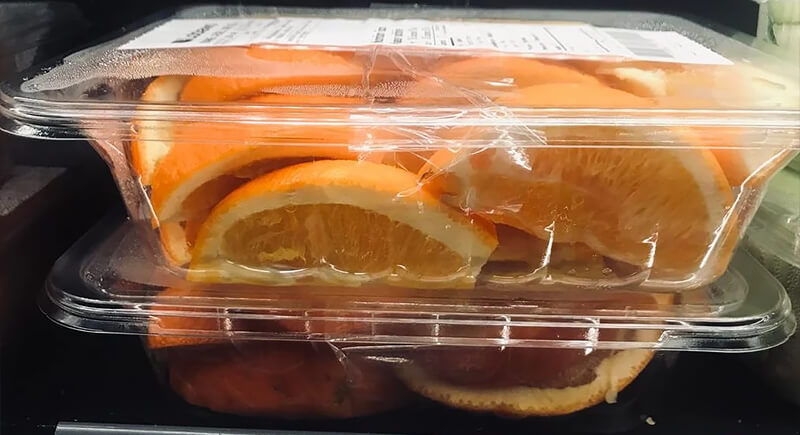
Citrus handles transport well when left intact, but pre-cut wedges tell a different story. Juice leaks out, and the fruit turns mushy. The experience shifts from refreshing to sticky, especially after a short stay in the refrigerator.
Bagged Salad Greens
Credit: iStockphoto
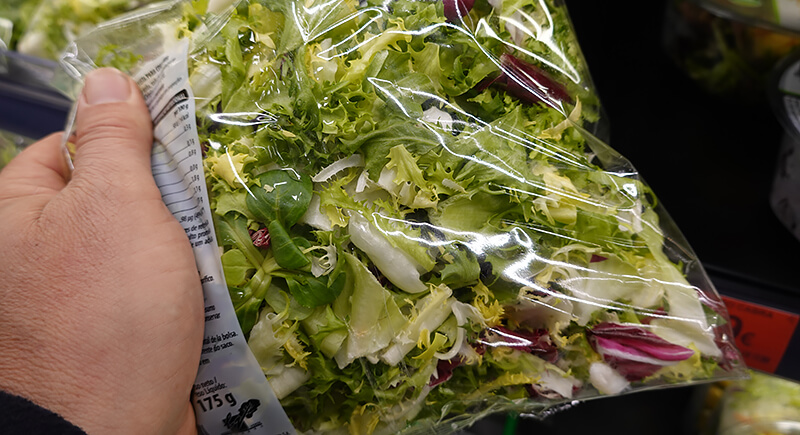
The reputation of bagged greens rests on trust, since they’re marketed as clean, ready, and carefully handled. Behind that promise sits a highly mechanized process involving cutting, washing, and mixing leaves from multiple sources. Moisture remains trapped, and contamination becomes harder to isolate, which explains why these products appear so often in recall notices.
Mixed Berries
Credit: iStockphoto
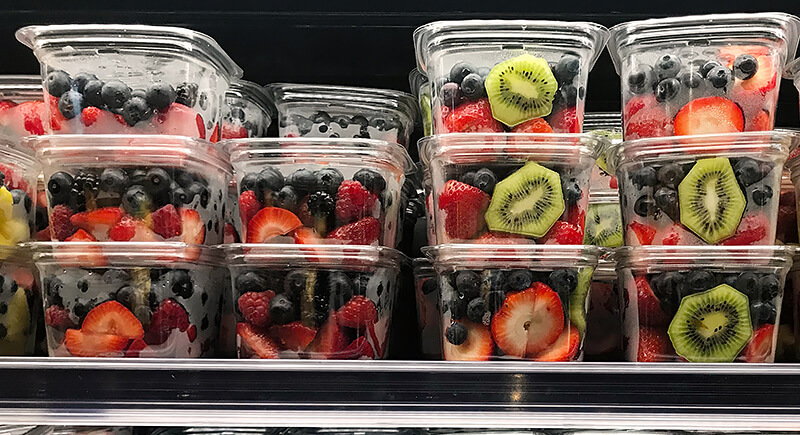
Ready-to-eat containers combine fruits with different ripening speeds and moisture levels. One soft strawberry can affect everything nearby. Mold spreads quietly, and sorting becomes unavoidable anyway. Ultimately, the entire packet is discarded.
Pre-Cut Pineapple
Credit: iStockphoto
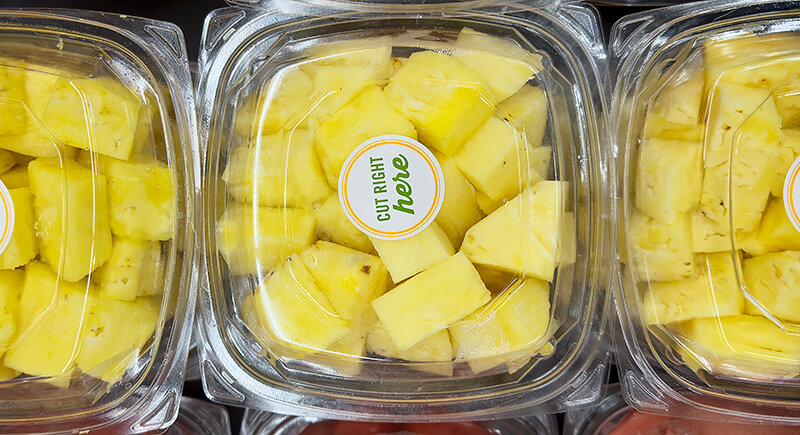
Pineapples look complicated, which is why pre-cut containers sell so well. Stores charge a clear premium for that convenience, often several dollars more per pound than a whole fruit. Once cut, a pineapple also has a shorter shelf life. The flesh releases juices, pieces soften, and containers can turn watery after just a few days in the fridge.
Pre-Cut Onions
Credit: Reddit
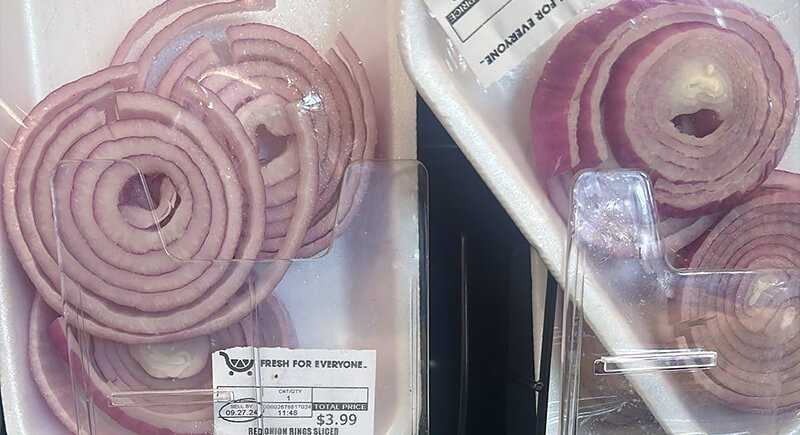
Tears are usually the deciding factor when shoppers reach for these containers. But cooking with them feels less precise, especially in dishes where the onion forms the base. Many cooks notice the difference most clearly when sautéing, where aroma usually sets the tone.