9 Questions You Should Never Ask Siri or Alexa
Voice assistants answer billions of requests every year as smart speakers and voice search expand across homes and phones. Research testing emergency questions found that only 9 out of 32 assistant responses told users to call emergency services first. About 88% pushed users toward websites instead, which slows action during life-threatening moments. These assistants are great for music, weather, and reminders, but risky questions can lead to real-life consequences quickly.
Medical Advice

Credit: Canva
Health questions sound easy to ask, but assistants rely on online information that can be outdated or incomplete. Hospitals confirm that delayed treatment increases the risk of complications, and licensed professionals use diagnostic tools that assistants do not have access to.
Emergency Calls As Jokes

Credit: Getty Images
Voice assistants respond to keywords and numbers but cannot reliably detect sarcasm or tone. Saying 911 in the United States can trigger a real emergency call, and 999 in the UK and 108 in India work the same way. Dispatch centers must treat every call as real until proven otherwise, and false calls waste emergency resources. Moreover, public safety agencies track false dispatch data because unnecessary responses increase response times for real emergencies.
CPR Instructions In Emergencies

Credit: Getty Images
During cardiac arrest, every minute without CPR lowers survival chances. Rapid response improves outcomes, and assistant testing showed that only about 28% of responses suggested calling emergency help immediately, and many redirected users to websites. Emergency dispatchers are trained to guide CPR step by step over the phone, and that guidance adjusts in real time. Songs like Stayin’ Alive, Baby Shark, and Dancing Queen sit close to recommended CPR compression rhythm speeds.
Violent Or Illegal Questions

Credit: Canva
Digital devices often store voice logs, depending on privacy settings, and companies confirm that stored data can be accessed in response to legal requests. Investigators regularly review device history during criminal investigations, and digital evidence is widely accepted in court systems. Even jokes about illegal activity can remain recorded if logging is enabled.
Buying Illegal Items Or Hiding Evidence

Credit: Canva
Search requests through assistants can create digital activity trails, and tech companies maintain short- or long-term logs, depending on their policies. Courts can subpoena digital records, and legal teams often review search history alongside messages and location data. Data retention rules vary by company, but cloud storage often keeps activity records temporarily. Legal analysts confirm that digital searches are regularly used in modern criminal cases.
Banking And Financial Transfers

Credit: Canva
Using Siri or Alexa to handle banking tasks might feel convenient, but voice recognition is not foolproof. Security experts have shown that recorded or cloned voices can sometimes trick voice-based systems. Scammers are already using AI-generated voices in fraud schemes. Banks rely on multi-factor authentication for a reason. When it comes to moving money or accessing accounts, extra layers of protection matter.
Wild Plants And Food Safety

Credit: Getty Images
Poison control centers report plant poisoning cases every year, and many involve misidentified berries or leaves. Voice assistants cannot visually inspect plants, and online plant databases often differ in their toxicity ratings. Many toxic plants look similar to safe ones, and physical testing is often required for confirmation. Outdoor safety guidelines recommend expert verification before eating wild plants because poisoning symptoms can appear quickly.
Money And Personal Privacy

Credit: Canva
Siri and Alexa are always listening for their wake words, and that means short audio clips can get recorded when they activate. Those clips may be stored in your account unless you delete them. You can review or change your settings, but many people never check. Before sharing sensitive details like banking information or private conversations, it’s worth knowing where that data might end up.
Asking Assistants To Replace Judgment
Credit: Getty Images
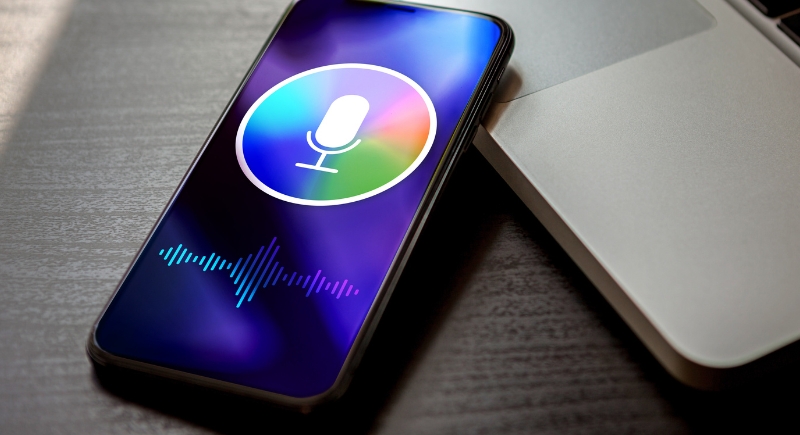
Siri and Alexa can set timers and answer quick facts, but they are not doctors, lawyers, or emergency responders. Asking them what to do in a medical crisis or major financial decision can lead to incomplete or outdated advice. In high-stakes situations, trained professionals follow strict standards and real-time judgment. Voice assistants are helpful tools, not decision-makers.