Napoleon Was Once Attacked by Hundreds of Rabbits
Napoleon Bonaparte spent years conquering Europe and defeating some of the continent’s most powerful armies. His name became synonymous with battlefield brilliance and imperial ambition. But one of the strangest stories attached to his legacy involves a far less intimidating enemy. According to several historical accounts, the emperor who dominated Europe once had to retreat from a battlefield overrun by rabbits.
A Celebration After a Major Victory
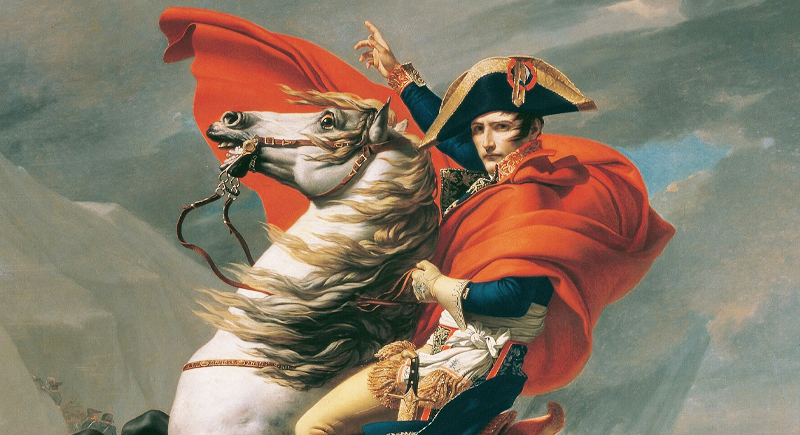
Image via Wikimedia Commons/Google Art Project
The bizarre episode reportedly took place in July 1807, shortly after Napoleon signed the Treaties of Tilsit with Tsar Alexander I of Russia. The agreements temporarily ended the war between the French Empire and Imperial Russia and marked a major diplomatic victory for Napoleon. To celebrate the moment, a rabbit hunt was organized for the emperor and members of his inner circle.
Napoleon’s chief of staff, Alexandre Berthier, was responsible for planning the event. Berthier arranged an outdoor gathering that included breakfast followed by a hunt. He wanted the day to be memorable, so he ordered a large number of rabbits to be released for the occasion.
Accounts differ on the exact number, but most historians say Berthier collected somewhere between several hundred and as many as 3,000 animals.
When the Hunt Began
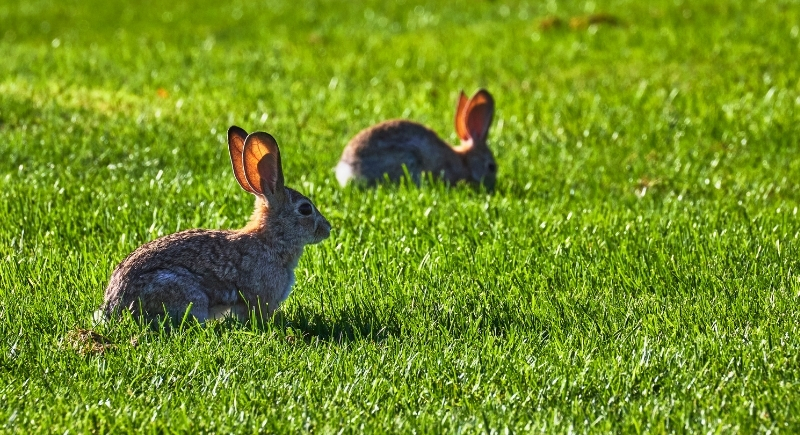
Image via Canva/Nicholas J Klein
The rabbits were placed in cages along the edges of a grassy field. When the hunt began, the cages were opened so the animals would scatter across the landscape. Napoleon and his guests were expected to pursue them across the field in a typical aristocratic hunt.
Strange enough, instead of fleeing from the hunters, the rabbits ran directly toward them. Hundreds of animals suddenly charged Napoleon and his entourage. At first, the group laughed, assuming the bunnies would soon scatter once they realized they were being hunted. But the rabbits kept coming.
A Swarm of Rabbits Overwhelms the Emperor
According to General Paul Thiébault, who later described the scene in his memoirs, the animals swarmed around the emperor and his companions in overwhelming numbers. Rabbits piled around Napoleon’s legs, forcing him to stumble as they pressed forward.
The hunting party quickly realized that the situation was not going to resolve itself. Napoleon tried to drive the rabbits away with his riding crop, while officers grabbed sticks and coachmen cracked bullwhips to scare the animals back.
For a moment, it seemed as if the group might regain control of the field. Then the rabbits surged again. Thiébault described the animals flanking the group and rushing toward Napoleon with surprising determination. The mass of rabbits continued surrounding the hunters, refusing to retreat. Even the emperor himself could not push through the wave of animals gathering around him.
Eventually, Napoleon abandoned the hunt and retreated toward his carriage. The rabbits followed him as he attempted to escape the field. Some accounts even claim that a few rabbits managed to leap into the imperial coach before it finally drove away from the scene.
The Simple Mistake Behind the Chaos
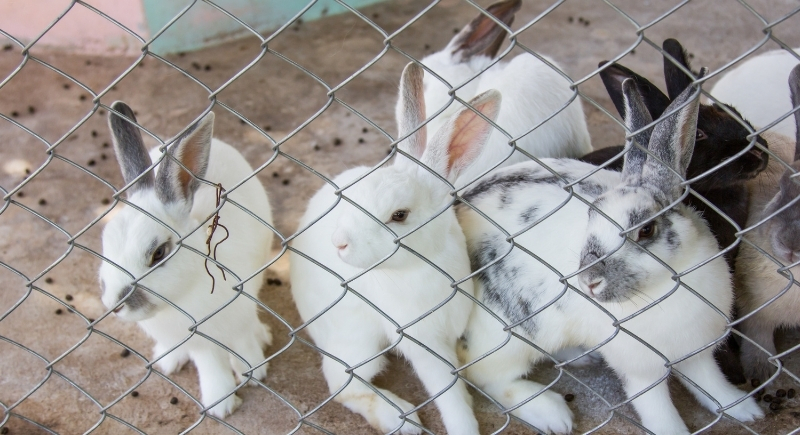
Image via Getty Images/Charcom
The explanation for the chaos turned out to be simple. Berthier’s assistants had purchased domesticated rabbits from local farmers instead of capturing wild game animals. Wild rabbits would normally scatter when released in the presence of hunters. Domesticated rabbits behaved very differently.
Used to being fed by humans, the animals apparently believed the gathering of people meant food was coming. To make matters worse, the rabbits had reportedly not been fed that day. When the cages opened, and they saw Napoleon and his party standing nearby, they rushed toward them, expecting a meal.
A Strange Footnote in Napoleon’s Legacy
Historians still debate how much of the story is completely accurate. The most detailed account comes from Thiébault’s memoirs, published decades after the event. Because the account appeared long after the incident and because Thiébault reportedly disliked Berthier, some historians treat the tale with caution.
Even so, the story has survived in historical literature for generations and continues to appear in books and articles about unusual moments in history.