The Names of Everyday Things You Didn’t Know Had Names
Every day, you interact with small details you rarely think about. They are incorporated into your routine so smoothly that they escape notice. Most of them exist because someone once solved a very specific problem and gave the solution a name. Those names stayed, even if people stopped saying them out loud. Knowing them doesn’t make life more efficient, but it does reveal how much thought hides inside ordinary moments.
Aglet
Credit: Canva
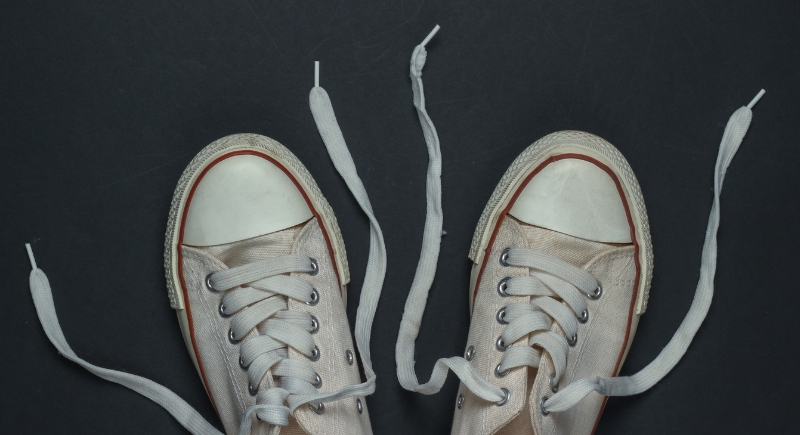
Shoelaces fray quickly if nothing holds their ends together, which used to make tying shoes far more frustrating than it is now. The aglet is the small cap that prevents that problem by keeping fibers tight and narrow enough to pass through eyelets. Its name comes from an Old French word meaning “small needle.”
Petrichor

Credit: Wikimedia Commons
That earthy smell after the first rain following a dry spell has a name. Petrichor refers to the scent released when rain hits dry ground, loosening plant oils and geosmin, a compound made by soil bacteria. Humans are extremely sensitive to geosmin, which is why the smell is noticeable almost instantly.
Tittle
Credit: Wikimedia Commons
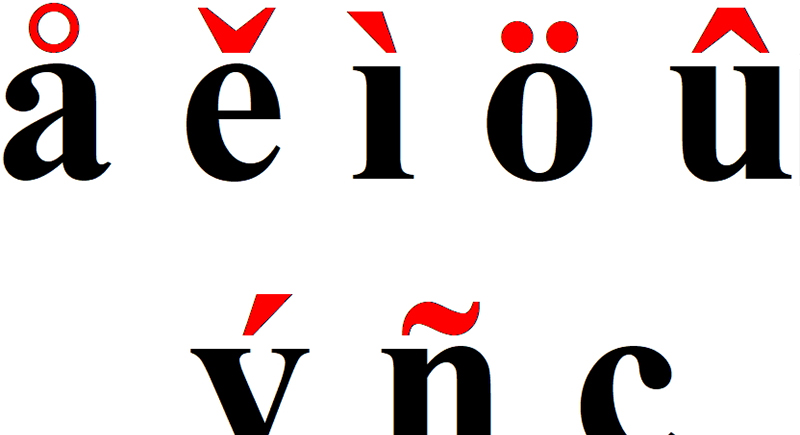
Removing the dot above a lowercase i or j can actually change how text is read, which is why that tiny mark has a name. A tittle refers specifically to that dot, and medieval scribes treated it carefully when copying manuscripts. The word traces back to Latin terms connected to headings and labels.
Zarf
Credit: Wikimedia Commons
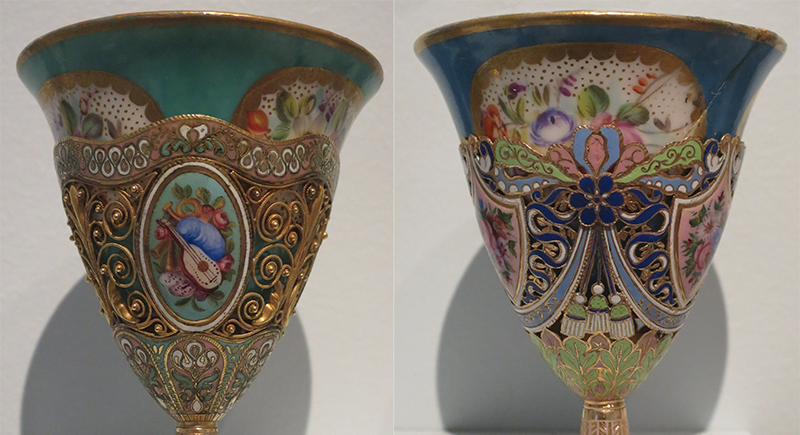
A zarf is the sleeve designed to hold a hot, handleless vessel without burning fingers. The term entered English from Arabic and Turkish traditions, where ornate metal zarfs were common. Today’s cardboard coffee sleeves perform the same task.
Nurdle
Credit: Rido
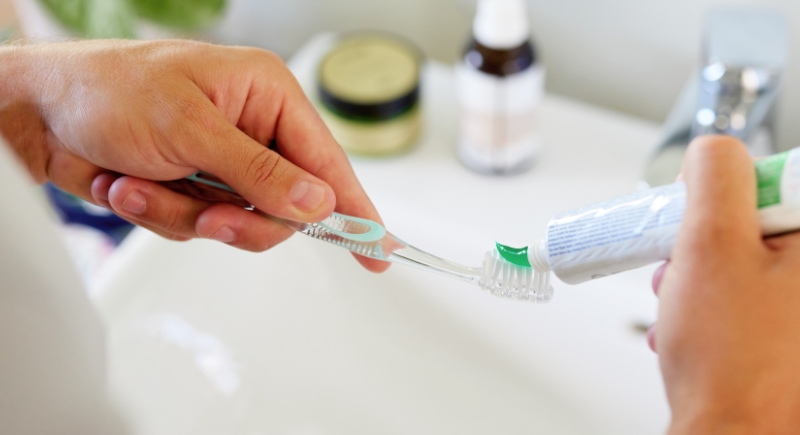
The smooth ribbon of toothpaste squeezed onto a brush is shaped that way on purpose. That specific portion is called a nurdle, a term manufacturers use to describe a controlled, consistent amount. The shape helps spread paste evenly across bristles and signals familiarity to users. Interestingly, the same word also refers to tiny plastic pellets used in manufacturing.
Ferrule
Credit: Wikimedia Commons
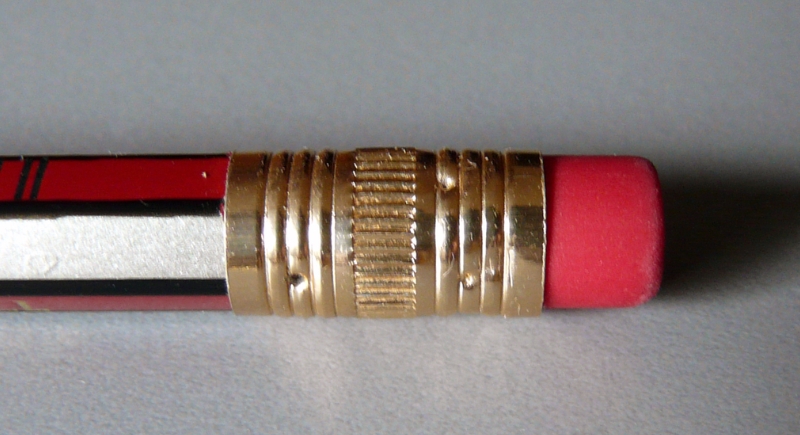
Pencils snap and loosen easily where wood meets rubber, which is why that joint needs reinforcement. The ferrule is the small metal band that holds the eraser firmly in place. Its name comes from the Latin word for iron, and the same design appears on umbrellas, paintbrushes, and tools wherever a sleeve strengthens a connection.
Glabella

Credit: Wikimedia Commons
Press a finger between your eyebrows, and you’ll find a smooth patch of skin that rarely grows hair. That area is called the glabella, a term used in anatomy and facial studies. Doctors and anthropologists reference it when measuring skulls. Most people touch it while thinking, concentrating, or squinting, without realizing it has a formal name.
Drupelet

Credit: Wikimedia Commons
A raspberry isn’t a single smooth fruit. Each small bump is a drupelet, and each one holds its own seed. That structure is why raspberries and blackberries are classified as aggregate fruits. The term gives botanists a precise way to explain how these berries differ from strawberries when you look closely.
Brannock Device
Credit: Wikimedia Commons
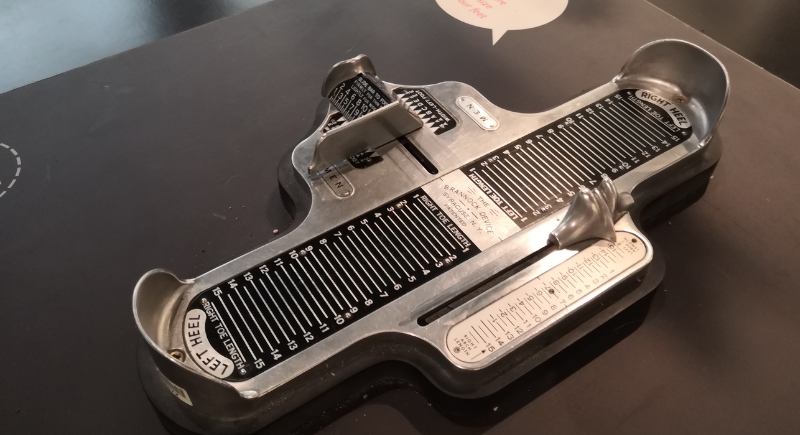
Shoe stores still rely on a metal measuring tool designed nearly a century ago. The Brannock Device, patented in 1928, measures foot length, width, and arch position with surprising precision. Its inventor built early versions from an Erector set. Accurate sizing reduces discomfort and returns, yet most customers never notice the name printed on the tool itself.
Ullage

Credit: Wikimedia Commons
Bottles are designed with a small cushion built in, even when it looks like something is missing. Ullage refers to the space left between the liquid and the cap, and it plays a quiet role in keeping contents stable. In beverages, that gap helps manage pressure and air exposure.