10 Mind-Blowing Facts About the Music Industry in 2025
The music industry didn’t sit still in 2025. Behind the viral songs and hologram concerts were strange and surprising developments that shaped how people listen, perform, and profit from music. These facts demonstrate how bizarre, unconventional, and inventive things have become across studios and streaming platforms.
A College Now Offers a Degree in Heavy Metal
Credit: Canva
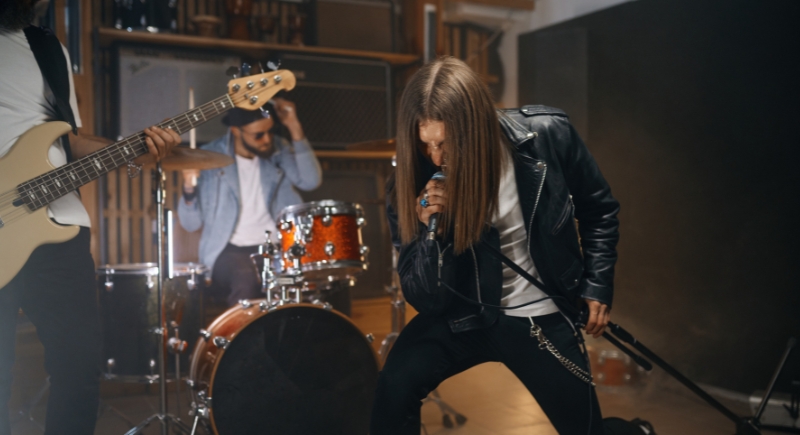
Students can major in heavy metal at Summa College in the Netherlands. Courses cover metal vocal techniques and performance skills, as well as training on various instruments. Graduates are connected with industry partners for potential placements. It’s one of the few places on Earth where letting out a growl is part of the official curriculum.
The Sesame Street Song Was Sung by a Psychedelic Rock Star
Credit: IMDb
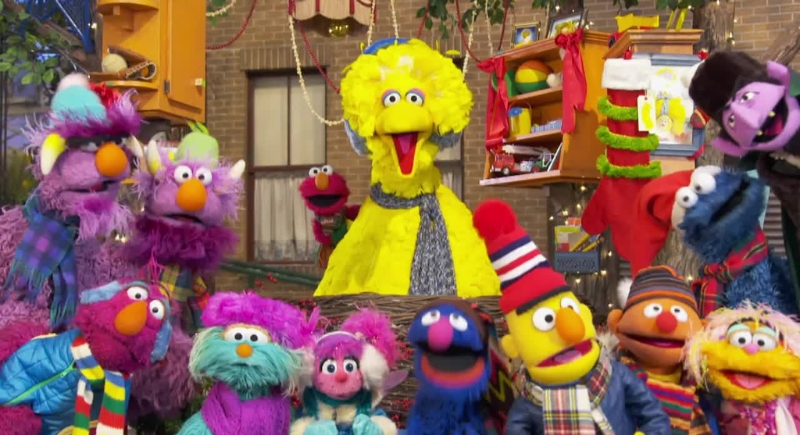
The real vocalist behind the funky counting segment on Sesame Street, known as Jazzy Numbers, was singer and performer Sharon Redd, whose rich voice powered one of the show’s most memorable musical snippets.
Italian Gibberish Became a Hit by Pretending to Be American English
Credit: IMDb
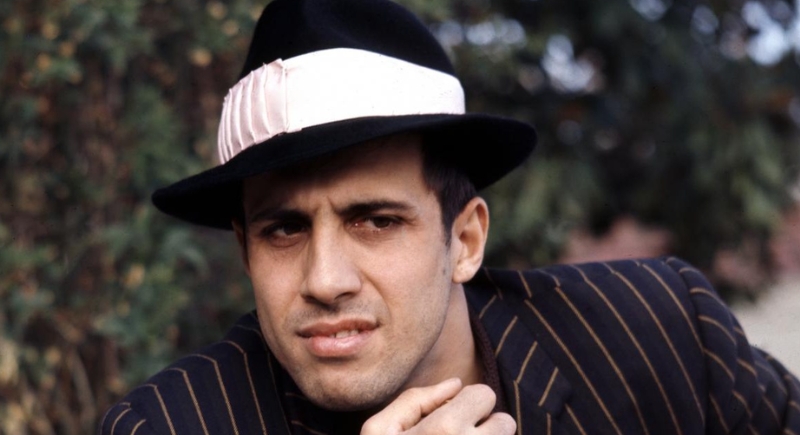
In 1972, Adriano Celentano released a track titled Prisencolinensinainciusol that sounded convincingly American despite being entirely nonsensical. He wrote it to prove that Europeans would embrace anything they believed came from the U.S. The experiment was conducted across Belgium, Italy, and the Netherlands. More than fifty years later, it’s still one of music’s strangest success stories.
A Karaoke Machine Got Recalled for Interfering With Officer Radios

Credit: Wikimedia Commons
Canada pulled the Soundstage Party Cube from shelves after discovering that its wireless mic could disrupt emergency services’ communication. Around 900 units were sold before Health Canada stepped in. Singing Livin’ on a Prayer shouldn’t risk someone’s safety, but in this case, it literally jammed signals used by officers and EMS radios.
A Song Written by AI Might Be Stuck in Your Head Right Now

Credit: kzenon
Artificial intelligence plays a major role in shaping modern music. Today’s artists utilize AI for production tasks, sound design, songwriting assistance, and even fan trend analysis. The tech influences what listeners discover long before anything hits the charts.
Devo Cashed In for Years on a Non-Hit Thanks to a Clip Show
Credit: Wikimedia Commons
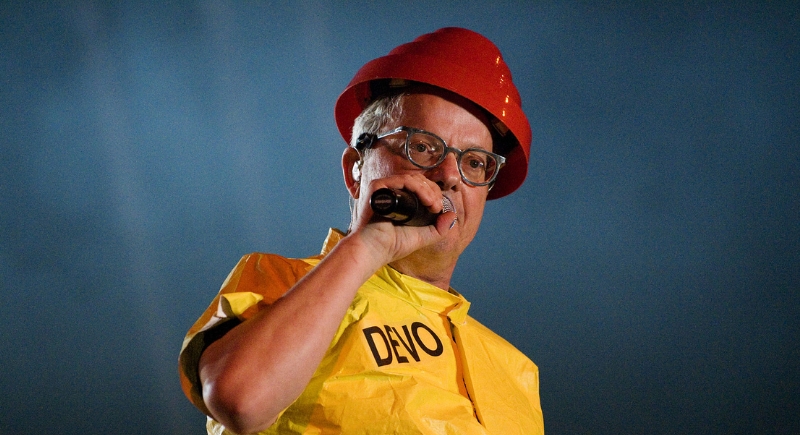
MTV’s Ridiculousness used Devo’s Uncontrollable Urge as its theme, giving composer Mark Mothersbaugh a steady licensing check for years. The song wasn’t a chart hit, but constant reruns—including marathon blocks in 2020—turned it into one of the band’s most lucrative placements. The show eventually wrapped in 2025.
Duck Radio Let Birds Choose the Playlist
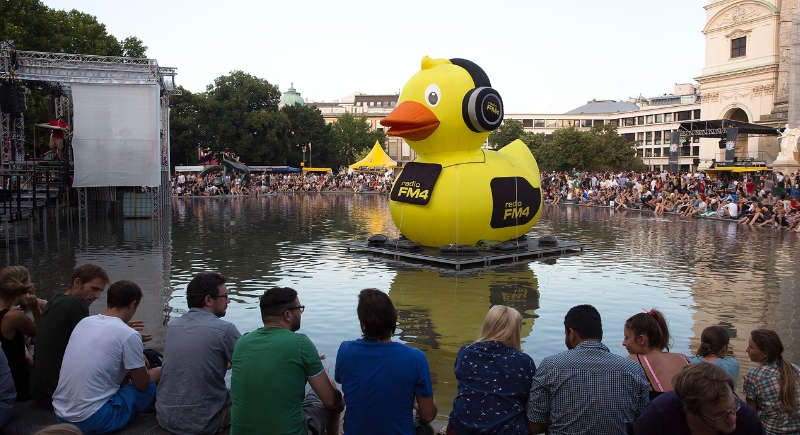
Credit: Wikimedia Commons
A UK experiment called Duck Radio put six English ducks in charge of flipping through global online stations. A sensor in their garden reacted whenever they pecked at it, instantly switching the stream to a new broadcast somewhere in the world. Listeners had no control over what came next.
A Forgotten Rock Riff Might Be Borrowed From Beethoven
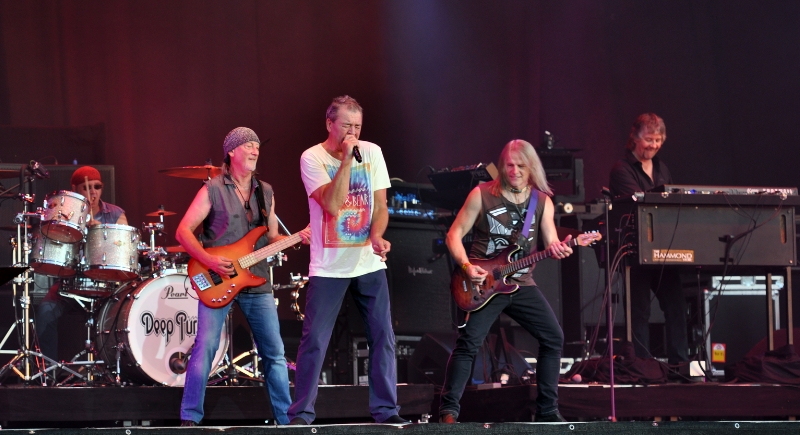
Credit: Wikimedia Commons
Deep Purple’s Smoke on the Water has one of rock’s most recognizable riffs, and guitarist Ritchie Blackmore once joked that he flipped the opening notes of Beethoven’s Fifth Symphony to build it. Fans and music historians have also noted its resemblance to Maria Moita, a 1964 Brazilian track with a similar rhythmic shape.
Streaming Pays Musicians Less Than a Cup of Coffee

Credit: Canva
Streaming payouts swing dramatically depending on contracts and platforms, but most musicians agree that the income alone rarely covers expenses. While streaming helps artists grow an audience, it doesn’t always translate to financial stability. That’s why many performers focus on touring, merch, and licensing deals.
Pumpkin Spice Might’ve Debuted in a Tori Amos Concert, Not at Starbucks
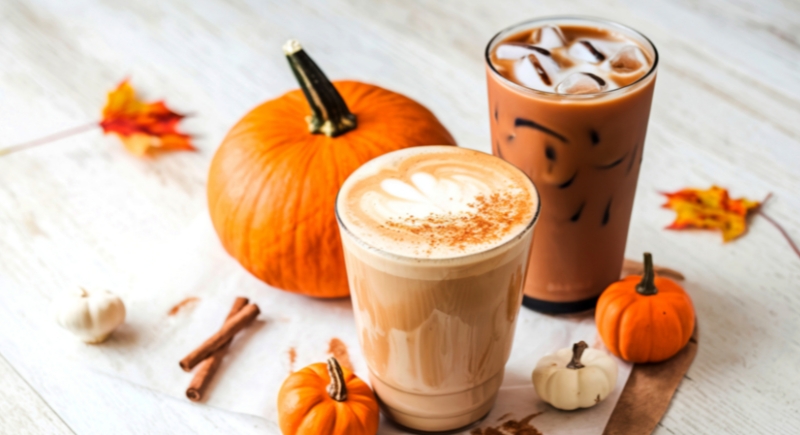
Credit: Canva
Years before Starbucks released its pumpkin spice latte in 2003, Tori Amos had already mentioned her own pumpkin pie-inspired drink during a 1995 show in Seattle. She even called it her “contribution to Halloween.” Fans have pointed to that moment as the drink’s unofficial origin story.