10 Most Popular Design Styles from the Decade You Were Born
Design trends, like all trends really, shift alongside culture, technology, and everyday life, often circling back. Looking at the decade you were born can reveal more than a style preference. It hints at the materials available and how daily routines shaped interiors in lasting ways.
1920s – Art Deco
Credit: pexels
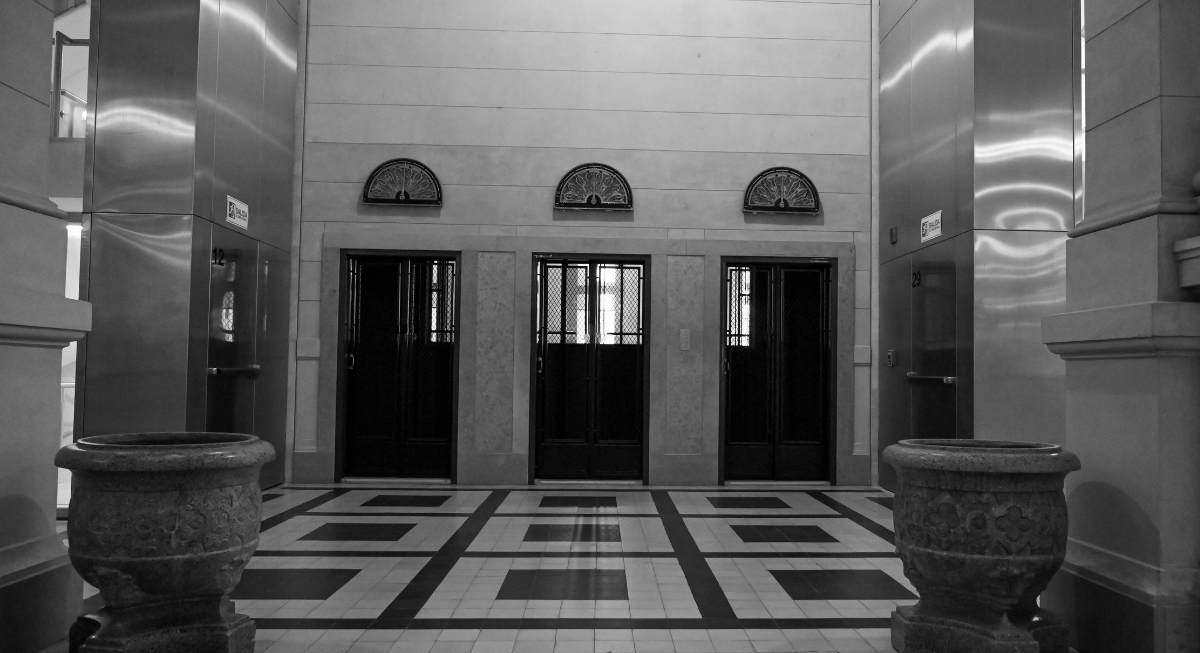
Few design movements arrived with as much confidence as Art Deco in the 1920s. Interiors leaned into symmetry, bold geometry, and polished materials like chrome and lacquer. The influence of the 1925 Paris exposition helped define its global appeal. American homes adopted the look through decorative objects and architectural details.
1930s – Streamline Moderne
Credit: Getty Images
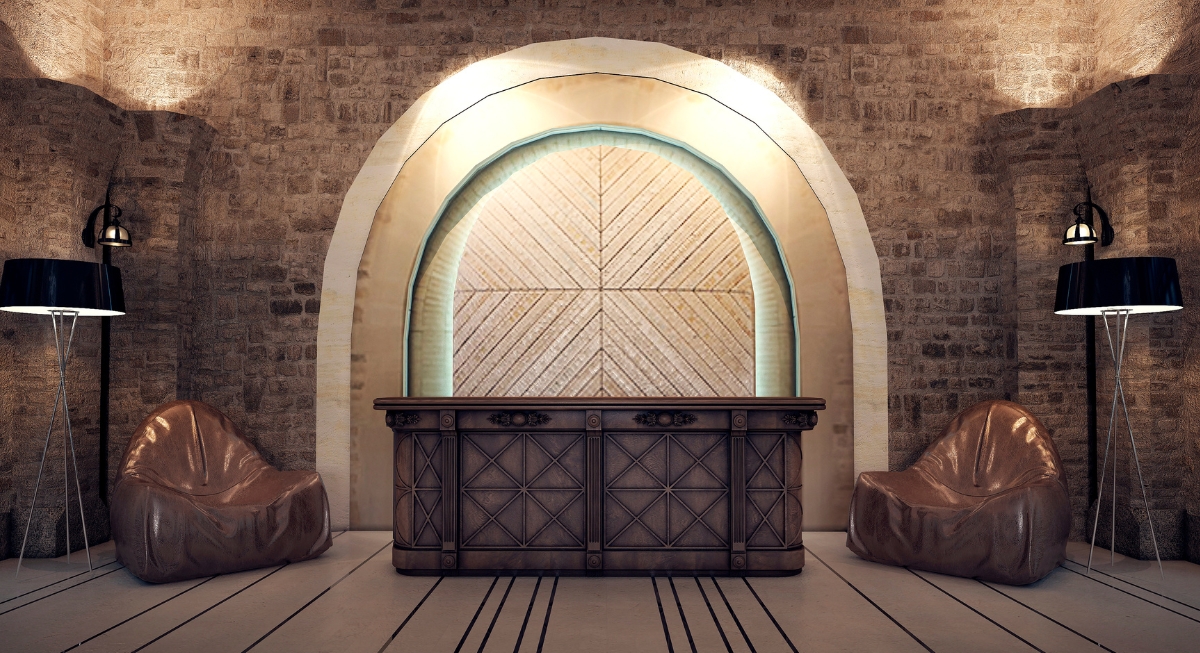
Streamline Moderne softened the sharp edges of earlier trends, and inspiration for it came from industrial design. Household objects mirrored this aesthetic. The approach offered a sense of forward movement during a decade marked by financial caution.
1940s – Post-War Modernism
Credit: Getty Images
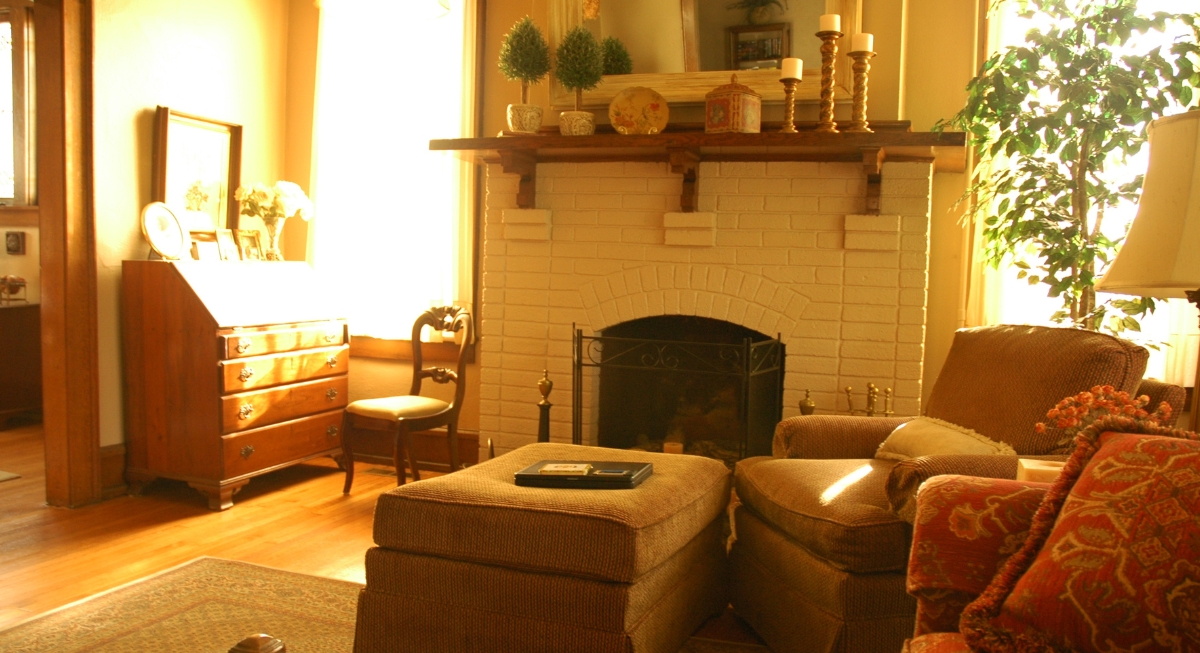
Materials were scarce, which led designers to simplify construction and focus on purpose. Furniture often relied on plywood and other readily available materials. Toward the end of the decade, new housing developments began to appear. Interiors were more practical, but these constraints introduced ideas that would later shape modern design for decades.
1950s – Mid-Century Modern
Credit: pexels
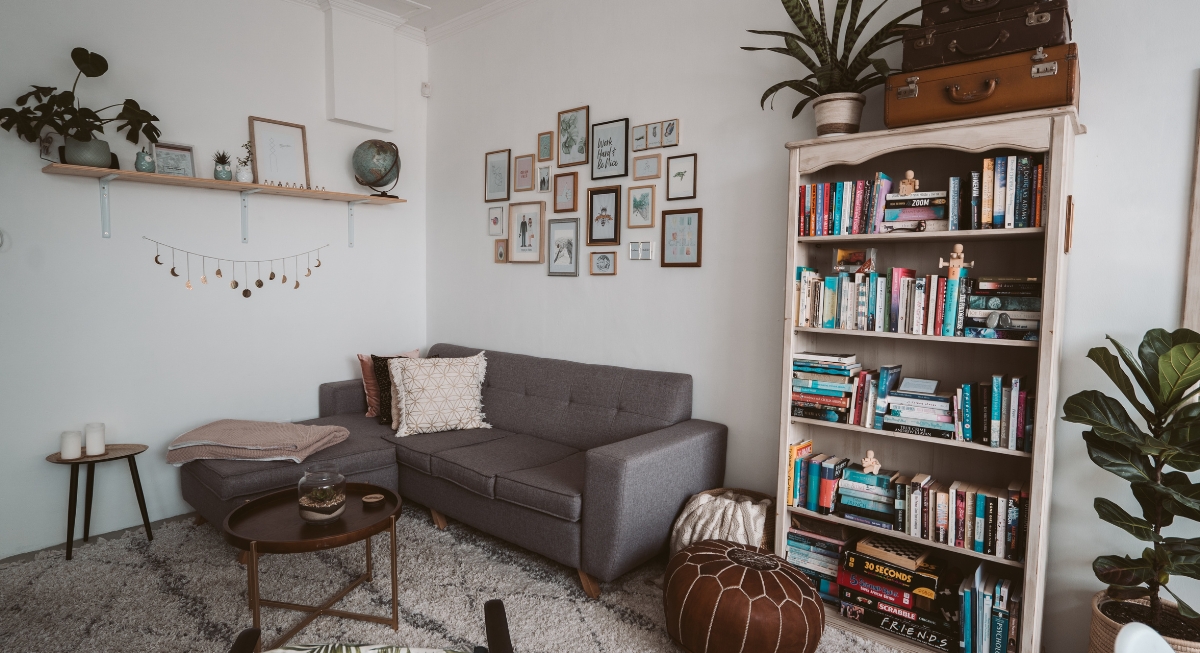
Suburban expansion brought a fresh approach to home design in the 1950s. Interiors featured clean silhouettes, open layouts, and furniture that seemed lighter in scale. Televisions became a central feature that influenced how rooms were arranged. Designers such as Charles and Ray Eames introduced pieces that combined comfort with efficiency.
1960s – Space Age Modern
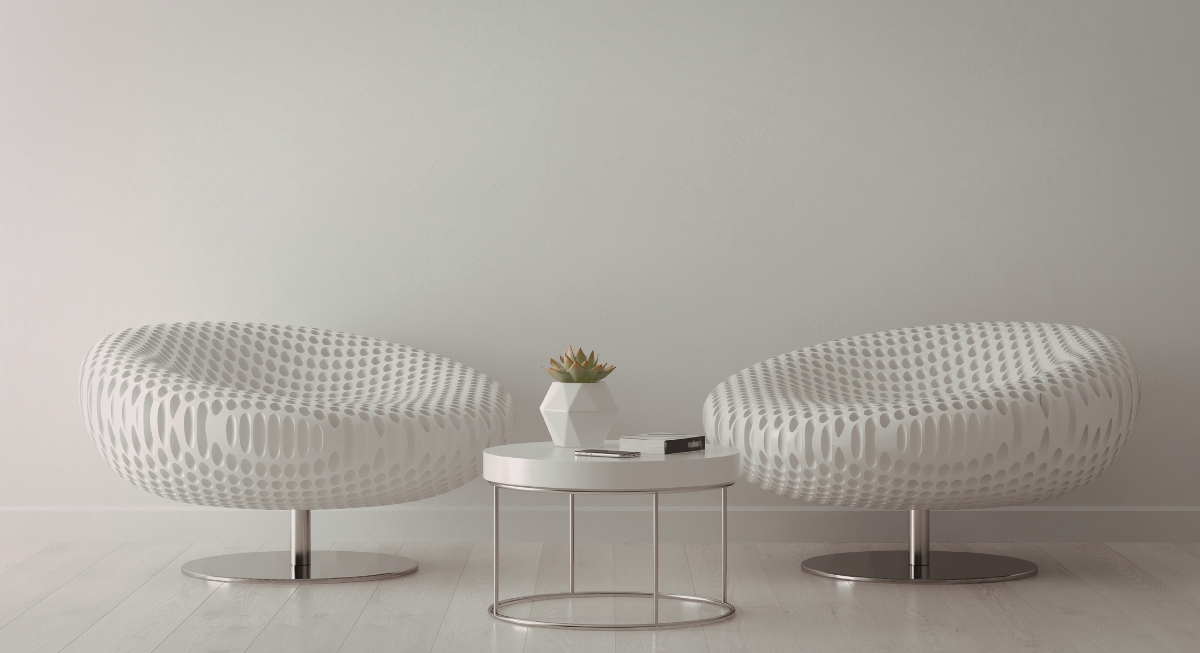
Credit: Canva
Design in the 1960s reflected a fascination with exploration and new technology. Furniture took on sculptural forms, often made with plastics that allowed unusual shapes. Bright colors appeared across interiors, influenced by pop culture and the Space Race. Homes from this period often mixed sleek modern elements with expressive details that captured the spirit of rapid change.
1970s – Earthy Eclectic Style
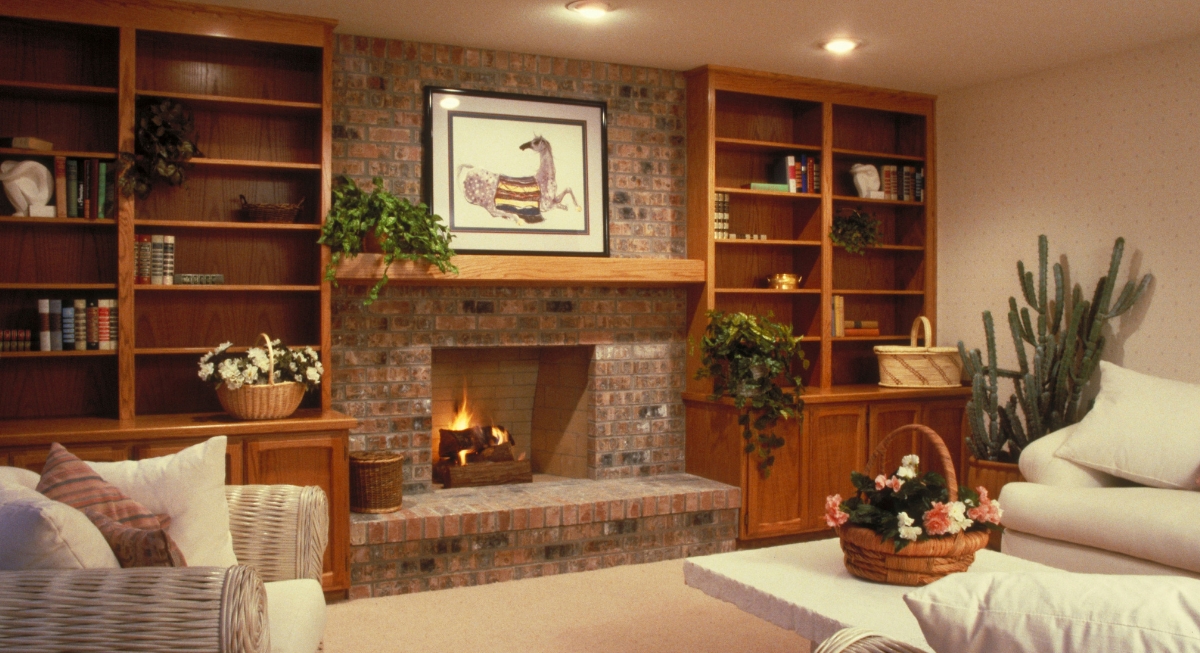
Credit: Canva
A growing awareness of nature shaped interiors throughout the 1970s. Homes featured materials like wicker, rattan, and wood, paired with layered textiles and indoor plants. Color palettes leaned toward warm tones drawn from the natural world, and spaces often felt relaxed and informal.
1980s – Postmodern Design
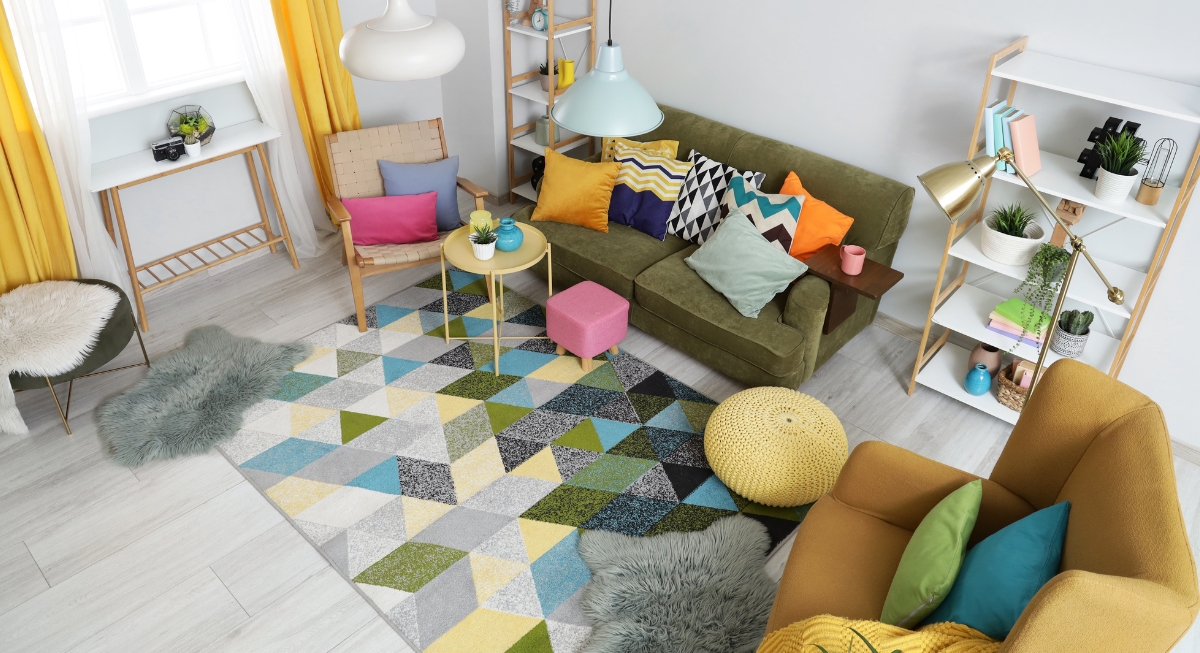
Credit: Canva
Designers rejected minimalism and embraced color and unconventional forms. The Memphis Design Group played a key role in shaping this approach by introducing furniture with playful proportions. Interiors often included glass blocks, high-contrast palettes, and decorative elements influenced by pop culture.
1990s – Traditional Revival
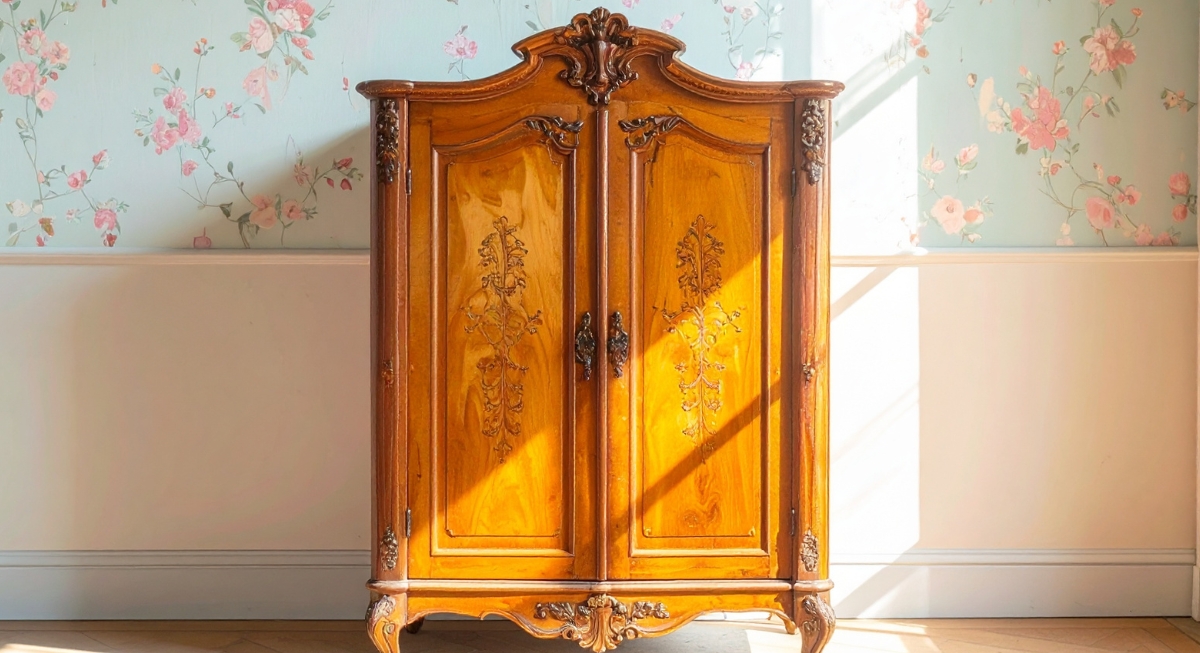
Credit: Canva
A return to familiar styles shaped interiors in the 1990s. Floral wallpaper, soft color palettes, and decorative trims became common features in many homes. The overall look was comfortable, with layered textiles and furniture arranged for everyday living. Faux floral arrangements also gained popularity during this time.
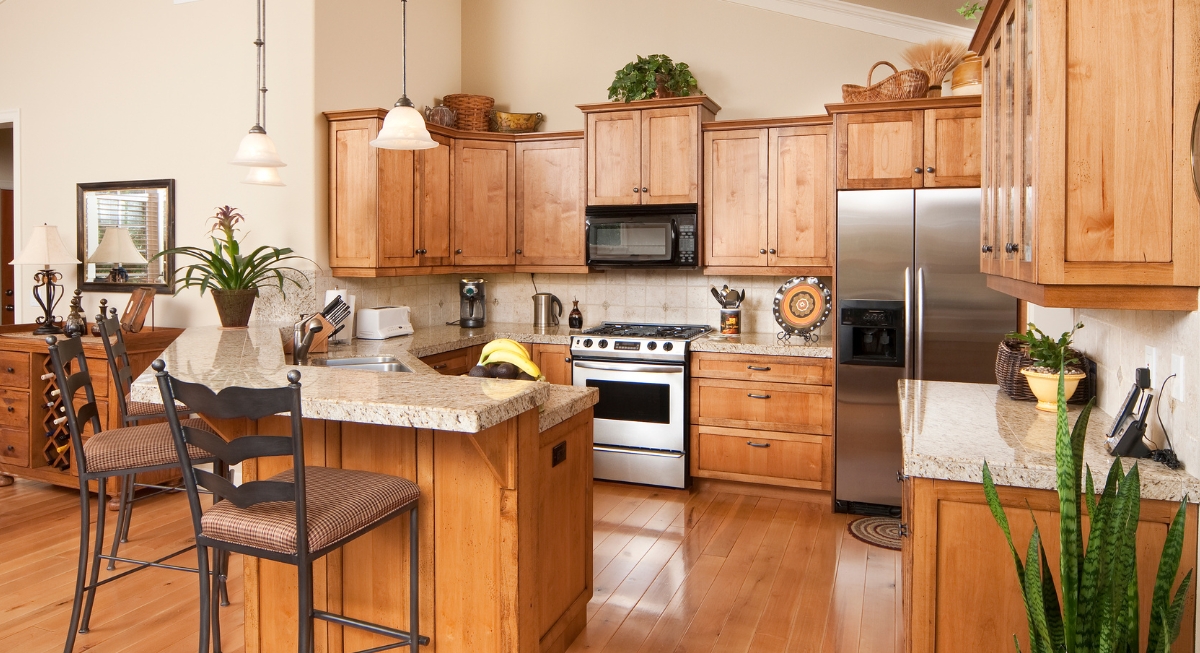
2000s – Tuscan Style
Credit: Getty Images
The early 2000s favored warm tones and decorative detail. Interiors often featured dark-wood furniture, wrought-iron accents, and textured walls designed to mimic the look of European villas. Kitchens became focal points, with large cabinetry and stone elements dominating the space. Rich colors like deep red and gold created a sense of formality
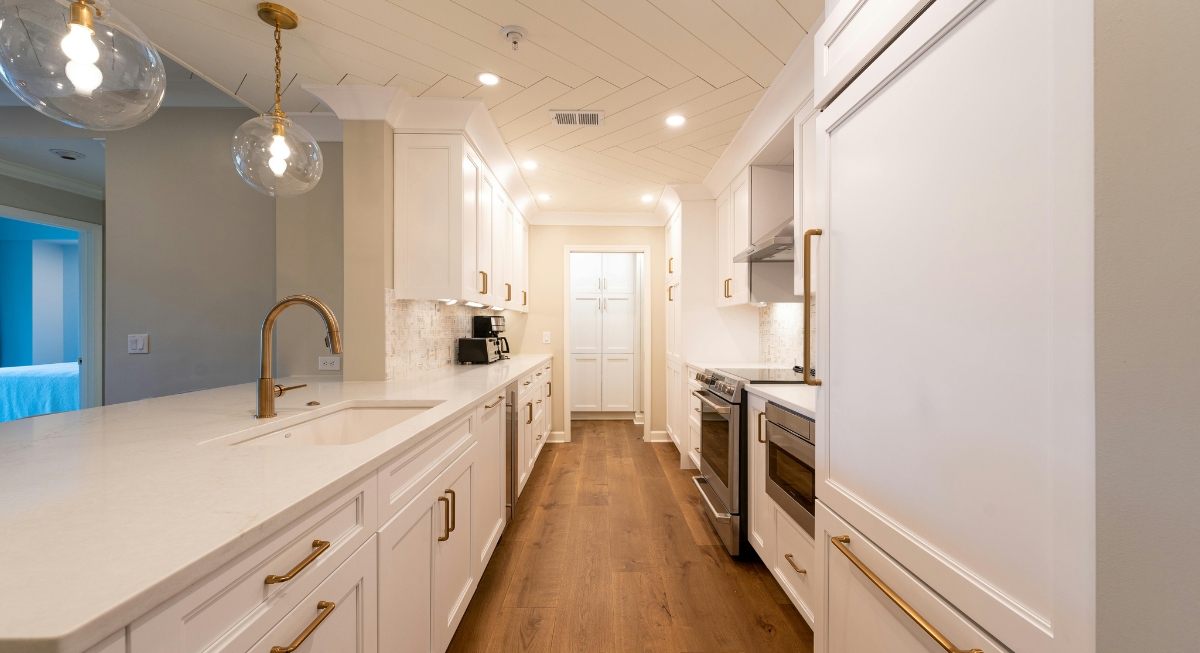
2010s – Modern Farmhouse
Credit: pexels
A more relaxed approach to design gained popularity in the 2010s. Modern farmhouse interiors combined neutral color schemes with rustic materials. Open layouts and simple finishes made spaces feel approachable and functional. The style appealed to homeowners who wanted a balance between comfort and structure.