The Most Inbred Royal Families Throughout World History
Royal weddings in the past were more like important business contracts. Marrying a cousin could protect a country’s border, a niece could secure family wealth, and a sibling could keep the royal bloodline pure. This made perfect sense to rulers who wanted more power, but it caused major health problems over time. These marriages left behind a history in which politics, pride, and genetics met at the altar.
The Spanish Habsburgs
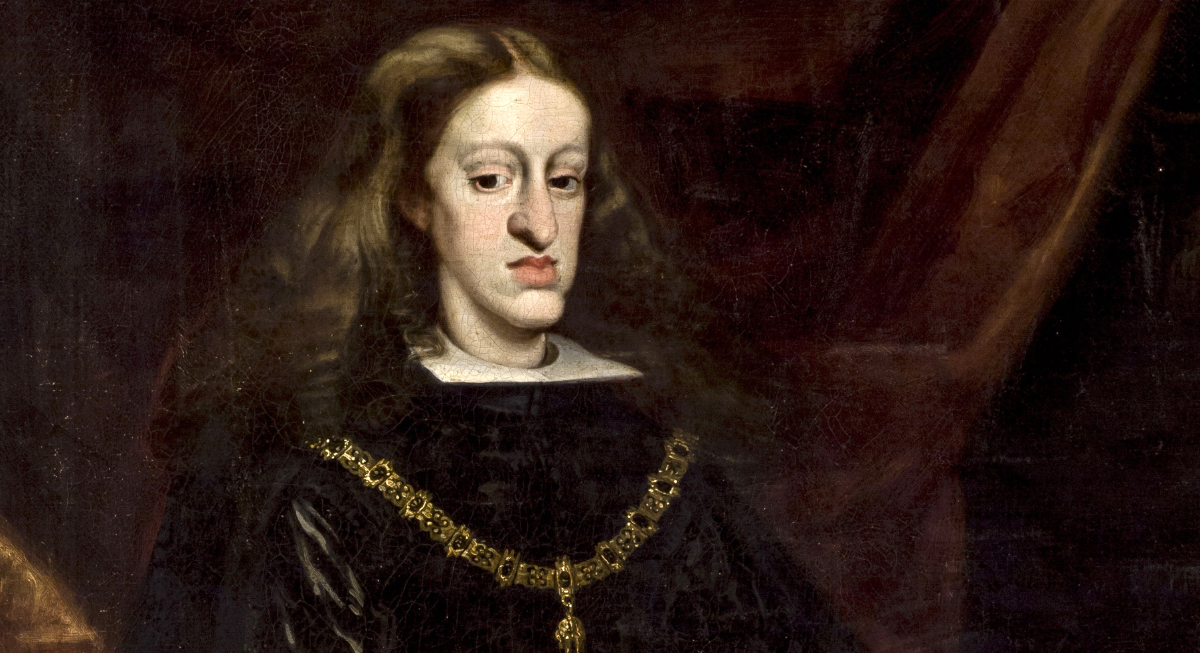
Credit: Wikimedia Commons
The Spanish royal family showed exactly why marrying close relatives is dangerous. Their rulers kept marrying within the same small circle until the family tree almost folded in on itself. A 2009 study found that King Charles II carried an estimated inbreeding coefficient of 0.254. He suffered from severe health problems, could not have children, and died in 1700. Because he left no heir, his death started a major war in Europe.
The Ptolemaic Dynasty

Credit: Wikimedia Commons
Cleopatra VII’s family made sibling marriage a royal policy. The Ptolemy family ruled Egypt after Alexander the Great’s empire broke apart, and these close marriages were likely intended to preserve their Macedonian family line. Cleopatra ruled alongside two of her brothers, Ptolemy XIII and Ptolemy XIV, who were also her official husbands. This system echoed ancient Egyptian traditions and helped keep the family in power.
Tutankhamun’s Royal Line
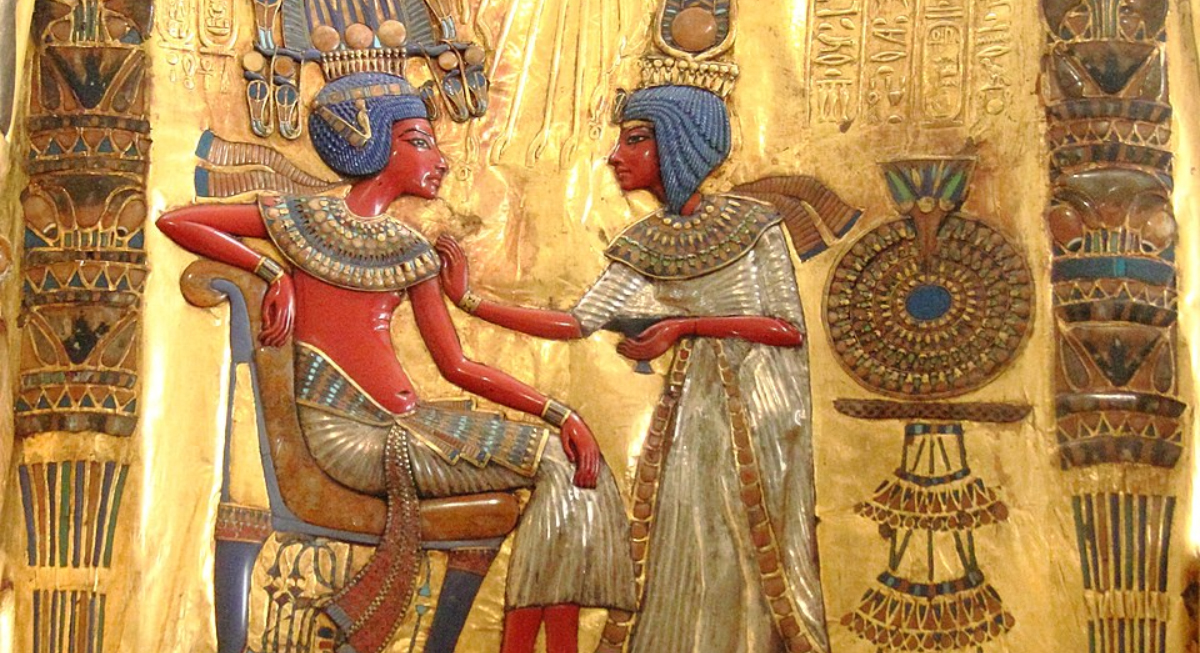
Credit: Wikimedia Commons
Modern DNA testing gave King Tutankhamun’s family history a surprising update. A JAMA study identified his likely parents as the KV55 mummy and the “Younger Lady,” with evidence pointing to a full-sibling union. This genetic proof is much stronger than old royal rumors based only on ancient artwork and gossip. The young king ruled for a short time and died around age 19.
The Hawaiian Aliʻi
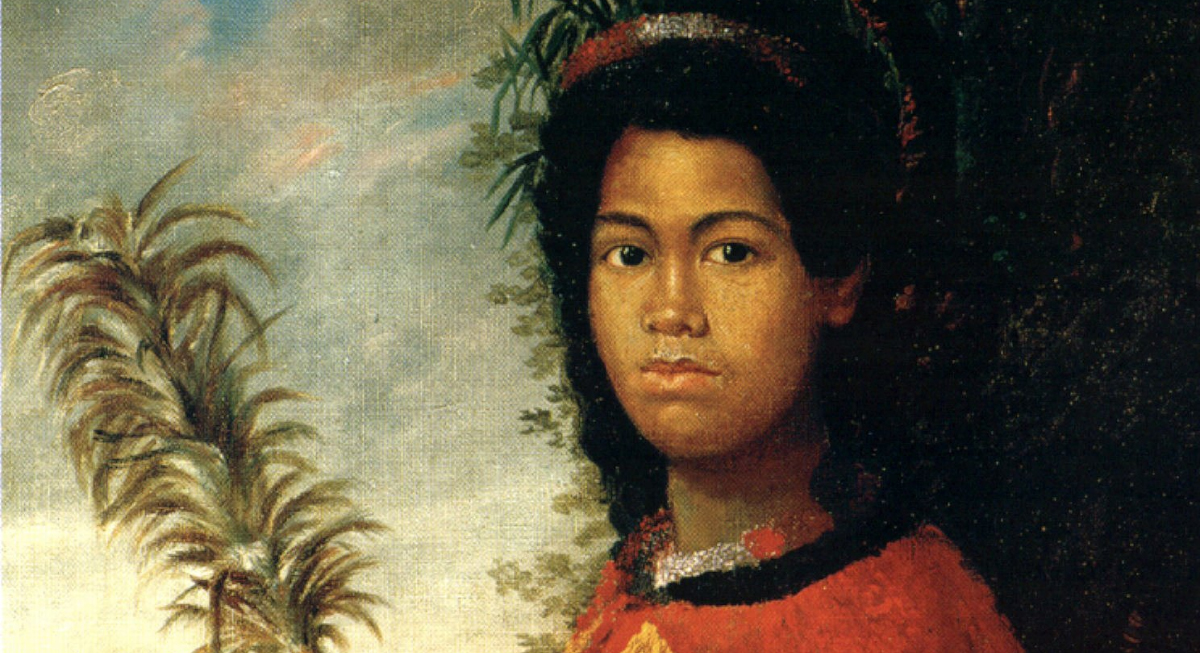
Credit: Wikimedia Commons
Among the highest rulers in Old Hawaii, marriage between close relatives protected their sacred power because leadership passed through family bloodlines. A child born to two elite relatives held an incredibly high status. This tradition was part of a political and spiritual system where family history determined a person’s right to rule long before they took power.
The Inca Imperial Family
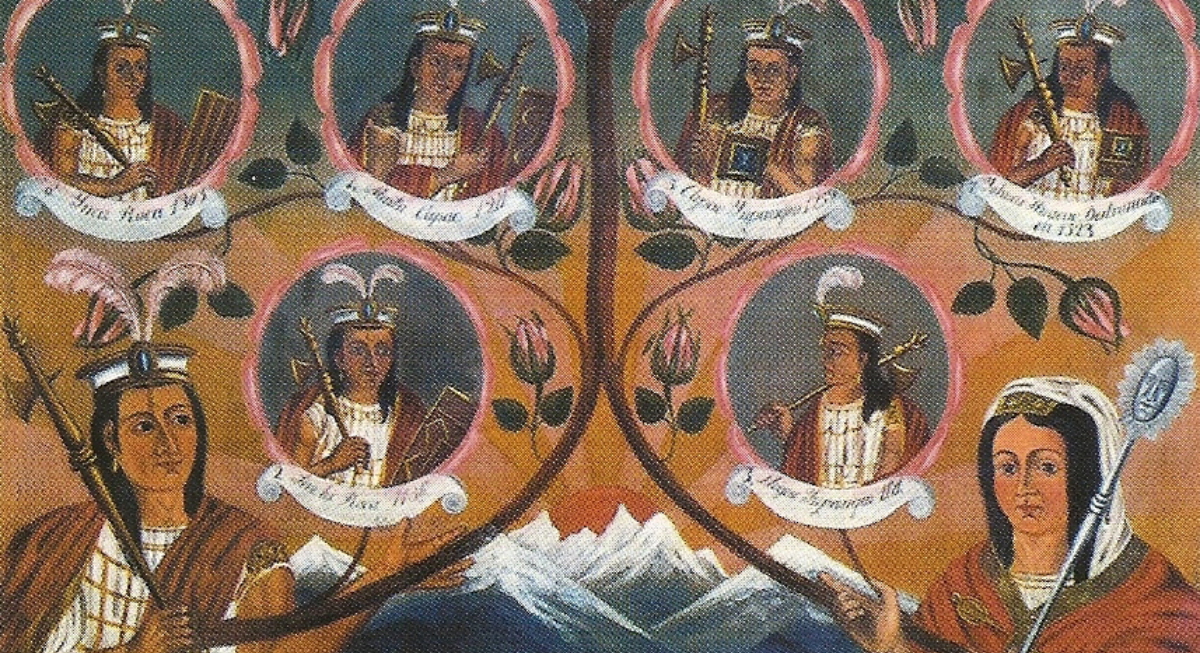
Credit: Wikimedia Commons
Marriage helped decide who would become the next emperor in the Inca royal court. The emperor’s principal wife, called the coya, was usually from the royal family, and Spanish writers described her as his sister. Modern experts study those old Spanish reports carefully because those writers often misunderstood local customs. Still, it is clear that marrying within the royal family helped keep power inside the ruling group in Cuzco.
The House Of Braganza
Credit: Wikimedia Commons
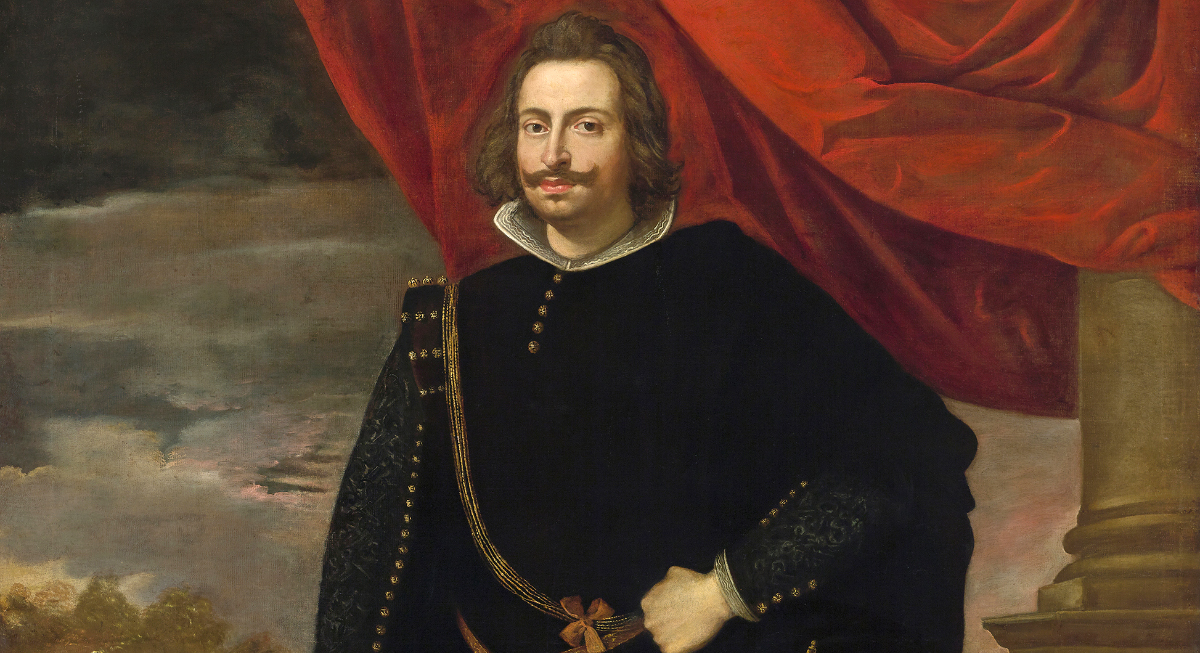
Portugal’s House of Braganza looked fancy in royal portraits, but family members also married close relatives. Researchers studying the dynasty, which ruled Portugal from 1640 to 1910, found high levels of inbreeding and close marriages between uncles and nieces, as well as between first cousins.
Queen Victoria’s Descendants
Credit: Wikimedia Commons
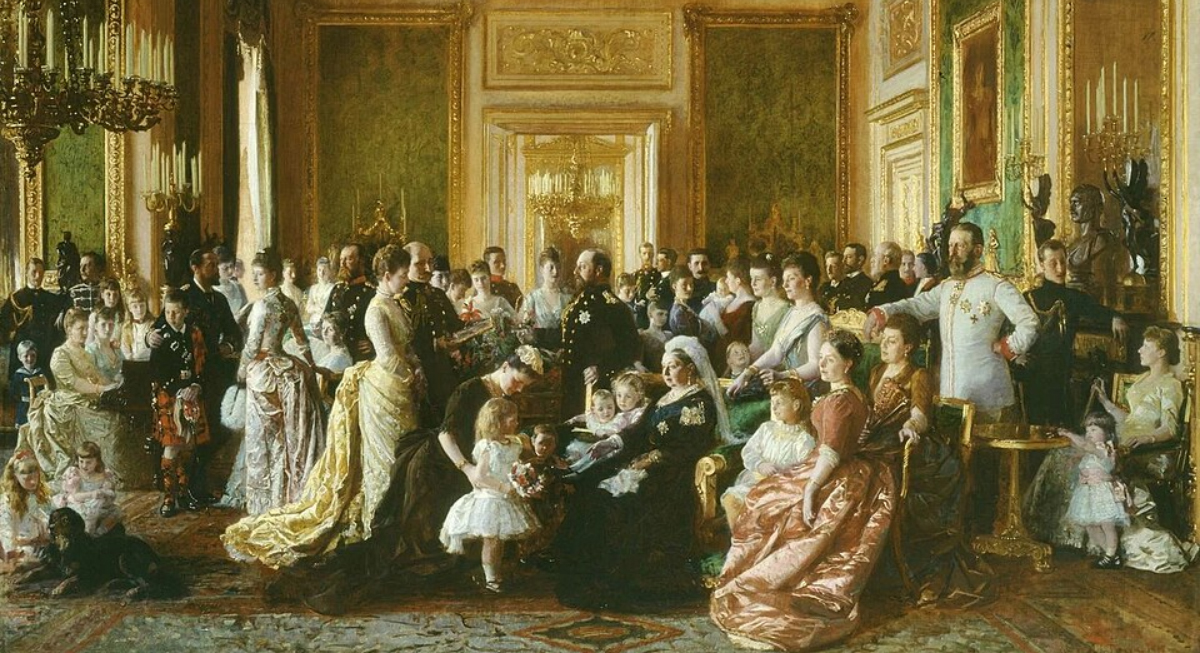
Queen Victoria passed a hemophilia-linked mutation through three of her nine children, including Leopold, Alice, and Beatrice. Those children married into other royal families, carrying the blood disorder to Germany, Spain, and Russia. Because European royals frequently married their own cousins, the genetic trait spread quickly through their family trees. These royal families focused heavily on power and status, unaware of the medical risks they were passing down to future generations.
The Spanish Bourbons
Credit: Wikimedia Commons
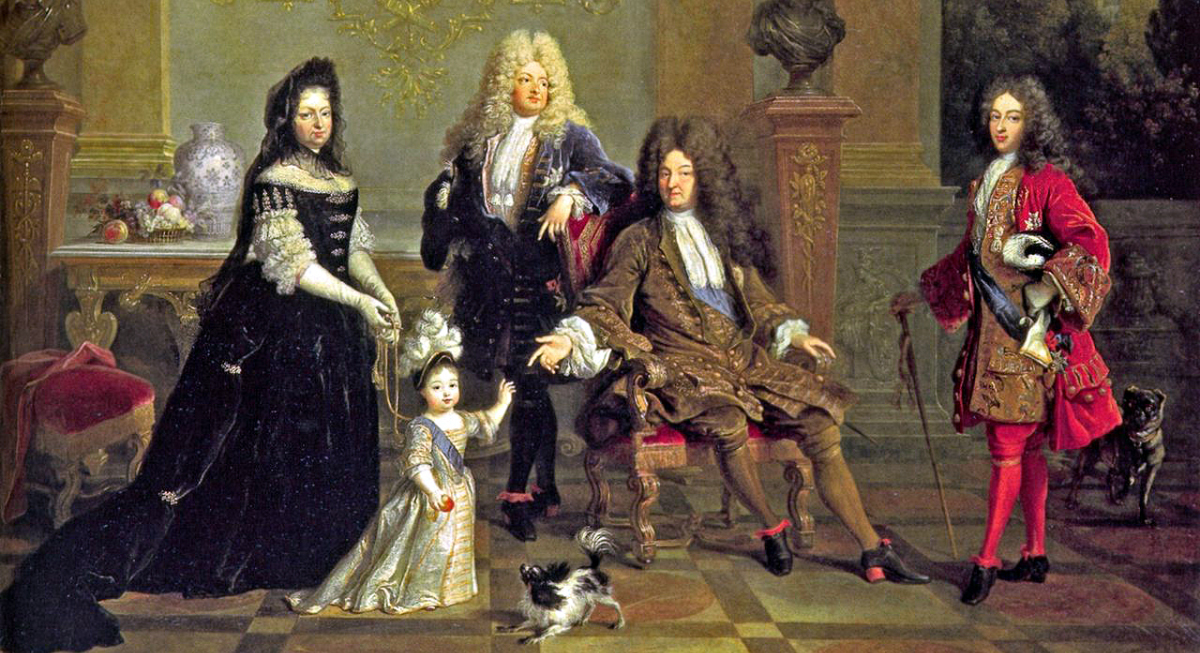
When Spain’s old royal family line ended, the new Bourbon rulers inherited the throne and the tradition. Early kings like Felipe V and Fernando VI belonged to a dynasty with high consanguinity, which a 2020 study examined alongside serious mental illness. Inbreeding may have raised genetic risk, but it cannot explain every symptom or decision. Their health problems were influenced by a mix of genetics, royal pressure, politics, and daily life.
The Sasanian Royal Circles

Credit: Wikimedia Commons
Sasanian Persia is another helpful example of inbreeding. Marriage between close relatives also appeared in ancient texts outside Europe. Old Zoroastrian writings describe a practice called xwēdōdah, which may have allowed marriage between immediate family members. Historians still debate how common this actually was for regular people outside royal circles. Even with that uncertainty, the example reveals a clear pattern where dynasties often used kinship to defend legitimacy.