Top 10 Most Expensive Mistakes in History
Some of the most costly moments in history began as ordinary decisions that did not seem important at the time. A rushed call, a misjudged idea, or a detail that was overlooked ended up carrying enormous financial consequences. These mistakes unfolded in offices, laboratories, and control rooms, made by people who had no reason to think the outcome would be historic. Below are ten mistakes that proved far more expensive than anyone involved ever expected.
Blockbuster Doesn’t Buy Netflix
Credit: Wikimedia Commons
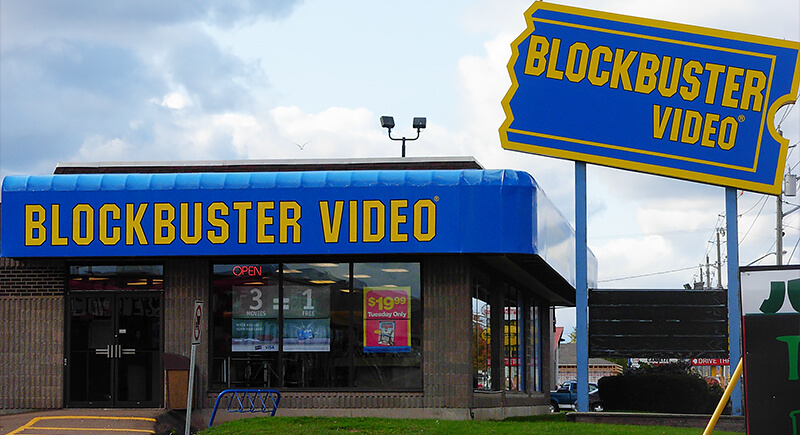
In 2000, Netflix was mailing DVDs and losing money. Reed Hastings offered Blockbuster a $50 million deal that would have folded Netflix into Blockbuster’s brand. Executives reportedly laughed it off. Less than ten years later, Blockbuster filed for bankruptcy. Netflix pivoted to streaming and grew into a company valued at over $150 billion.
Russia Sells Alaska
Credit: Wikimedia Commons
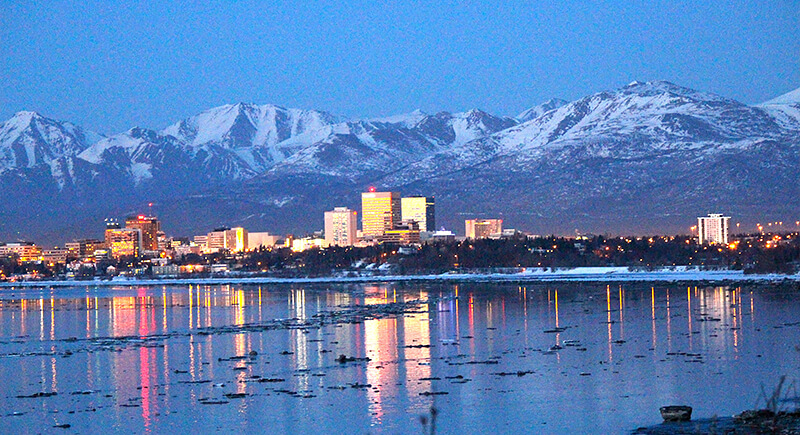
Russia sold Alaska to the United States for $7.2 million in 1867. The land looked cold, remote, and expensive to defend after the Crimean War. Later discoveries changed everything. Alaska turned out to be rich in oil, gas, and minerals, with energy reserves estimated at around $200 billion. The deal remains one of the most lopsided land sales ever.
Lost Bitcoin

Credit: Instagram
In 2009, James Howells mined 7,500 Bitcoin on a personal computer. Years later, he tossed a hard drive during a cleanup, thinking it was junk. That drive held the private keys. When Bitcoin reached nearly $19,783 in 2017, the loss was approximately $148 million. The hard drive is still buried in a landfill after the city denied excavation requests.
AOL Buys Time Warner
Credit: Wikimedia Commons
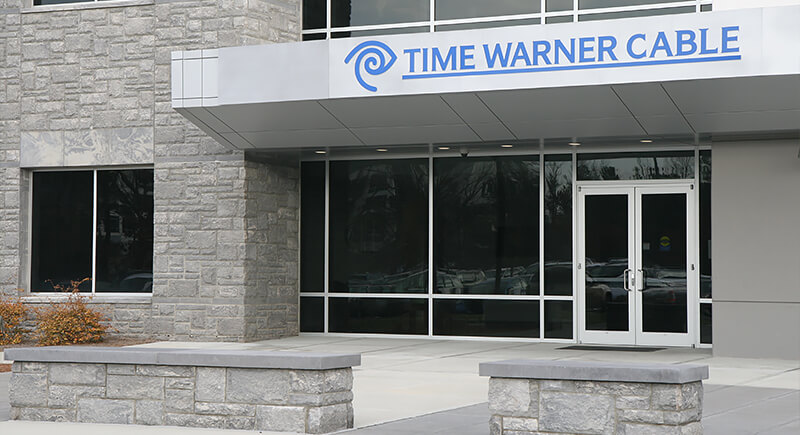
In 2000, AOL merged with Time Warner at the height of the dot-com bubble. The deal valued the company at $182 billion and rested on confidence in rapid internet growth. That growth did not last. Advertising revenue declined, and the two companies struggled to work together. The merger eventually collapsed and erased enormous shareholder value. It is now remembered as one of the clearest examples of overconfidence during the early internet era.
Chernobyl
Credit: Canva
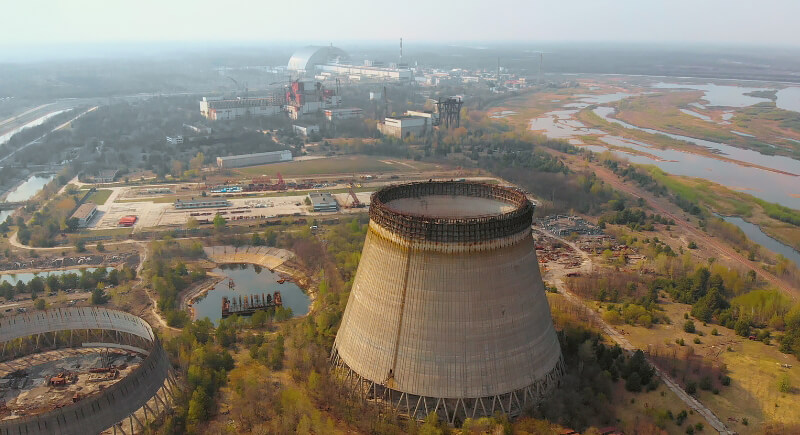
A 1986 reactor test at the Chernobyl nuclear plant went catastrophically wrong. Operators lacked proper training, and a known design flaw in the control rods made the reactor unstable. The explosion released radioactive fallout across Europe. Cleanup and containment costs reached hundreds of billions of dollars, with long-term health effects still being studied decades later.
New Coke
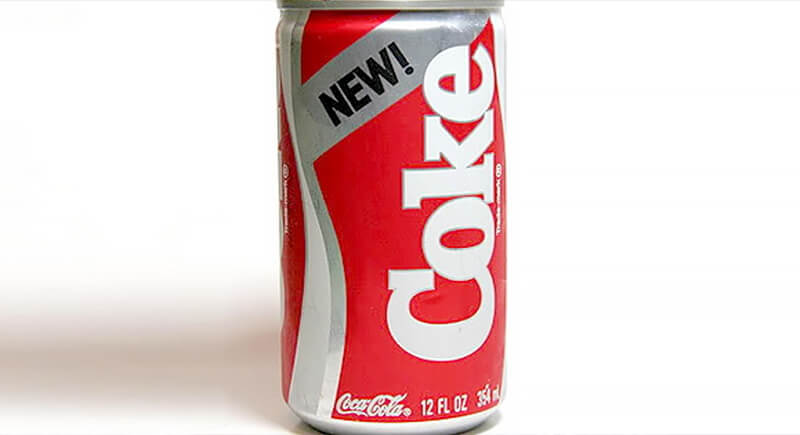
Credit: Reddit
Coca-Cola changed its formula in 1985 to compete with Pepsi’s sweeter taste. Consumers hated it. Sales dropped, complaints flooded in, and shelves filled with unwanted cans. Coca-Cola reversed course within months by reintroducing the original formula. The company lost hundreds of millions and learned that brand loyalty can outweigh blind market research.
French Trains That Didn’t Fit

Credit: Wikimedia Commons
France’s national rail operator, SNCF, ordered 2,000 new trains without checking older rural platforms. That was in 2014, and many platforms were too narrow. About 1,300 stations required construction changes. Fixing the problem cost roughly € 50 million and took two years, largely due to outdated measurements being overlooked.
Daimler Buys Chrysler

Credit: Wikimedia Commons
Daimler-Benz acquired Chrysler in 1998 for about $37 billion. Executives pitched it as an equal partnership. Cultural clashes and weak performance followed. By 2007, Daimler sold most of Chrysler for about $7 billion. The failed merger erased nearly $30 billion and became a cautionary tale in global business schools.
Fukushima Daiichi Nuclear Disaster
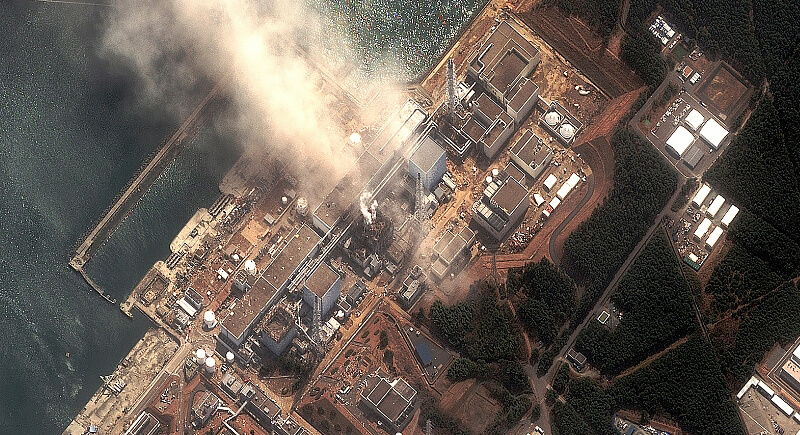
Credit: Canva
In 2011, an earthquake and tsunami knocked out power at the Fukushima Daiichi nuclear plant. Backup generators were placed in flood-prone areas despite known risks. Cooling systems failed, leading to multiple reactor meltdowns. Cleanup costs exceeded $200 billion, with decades of environmental monitoring still ahead.
Star Wars Merchandise Rights

Credit: Wikimedia Commons
Before “Star Wars” premiered in 1977, 20th Century Fox underestimated its potential. George Lucas negotiated to keep merchandise rights in exchange for a lower directing fee. Action figures alone made over $100 million in 1978. Merchandise revenue eventually climbed into the billions, while the studio watched from the sidelines.