10 Most Exciting New Vehicles Arriving in 2026
Automakers are entering 2026 with a diverse range of priorities, including affordability, brand reinvention, performance limitations, and evolving regulations. Some models matter because they change who can buy in, while some matter because they test what a brand is willing to risk. These ten vehicles reflect that spread.
Rivian R2
Credit: X
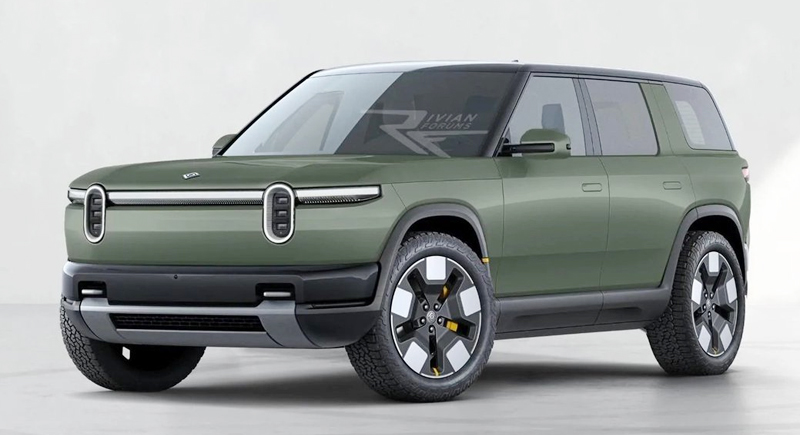
Production of the R2 is scheduled to begin in 2026 at Rivian’s Illinois plant. This will mark the company’s first attempt at a lower-priced mass-market vehicle. The compact SUV targets a starting price around USD 45,000, supports Tesla-style fast charging, and is expected to deliver more than 300 miles of range.
Ferrari Elettrica
Credit: Instagram
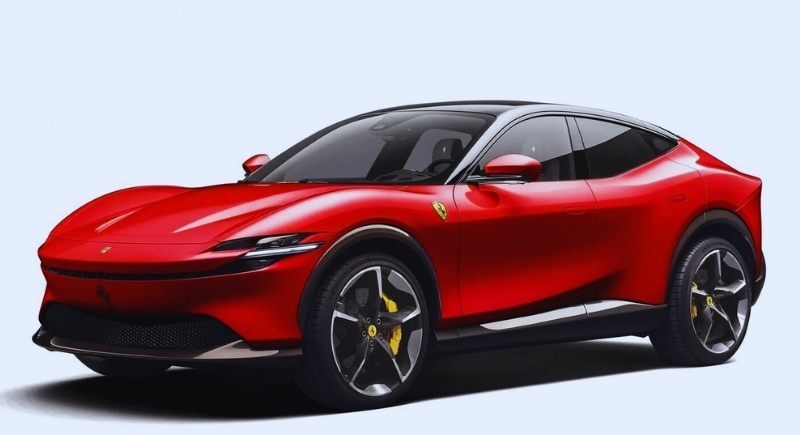
Ferrari plans to unveil its first fully electric vehicle in 2025, with deliveries set to begin in 2026 from a new EV-focused facility in Maranello. Executives have said development prioritizes steering feel and chassis response over range. Ferrari has not yet confirmed the motor layout, performance figures, or final body style.
Porsche 911 GT2 RS
Credit: Instagram
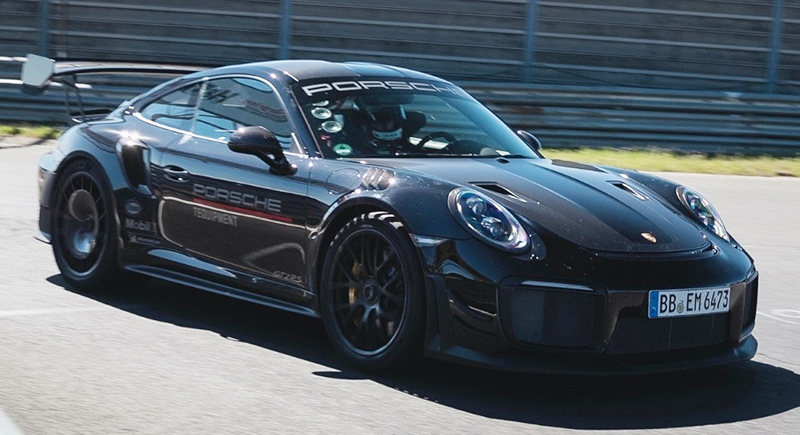
Testing for the next GT2 RS has already appeared at the Nürburgring, signaling late-stage development. The model is expected to build on the current Turbo S with hybrid assistance and aggressive aerodynamics. As with prior GT2 RS versions, production numbers will remain limited, and track performance is the primary objective.
BMW i3
Credit: Instagram
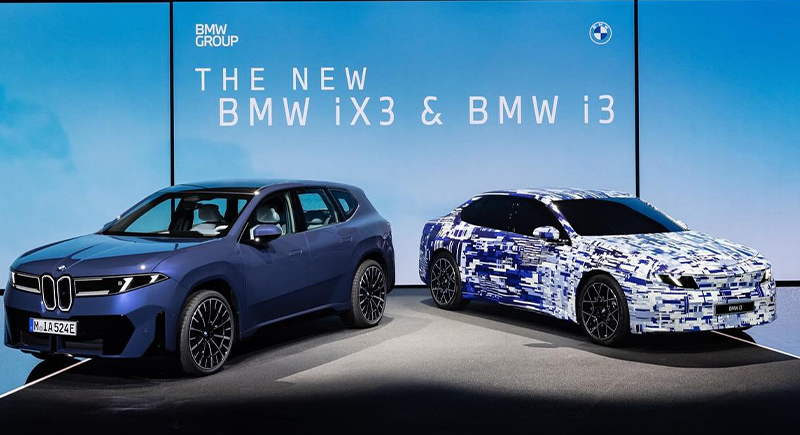
BMW will reuse the i3 name for a compact electric sedan built on its Neue Klasse platform. Unlike the original hatchback, this version adopts a conventional sedan layout with rear-wheel drive as standard. An 800-volt electrical system enables faster charging, with pricing expected near USD 50,000.
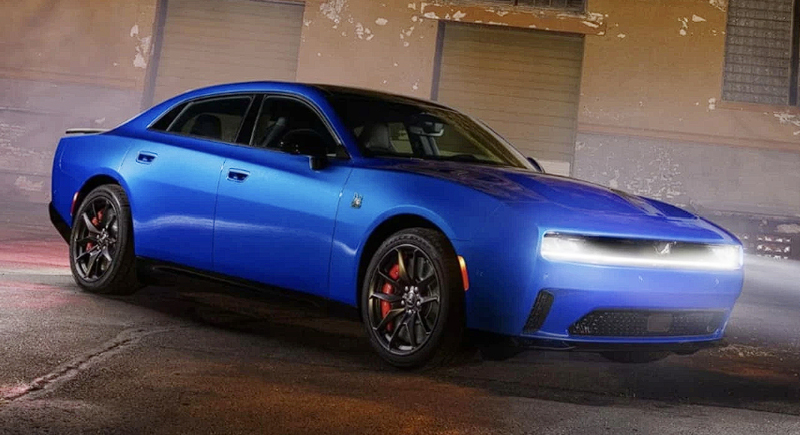
Dodge Charger Daytona Sedan
Credit: Instagram
The electric Charger sedan pushes Dodge’s performance lineup beyond two-door models. With four doors and standard all-wheel drive, it brings everyday practicality back to the Charger name. Expected power figures rival past gas-powered performance sedans, making it a real test of how electric muscle fits into the U.S. market.
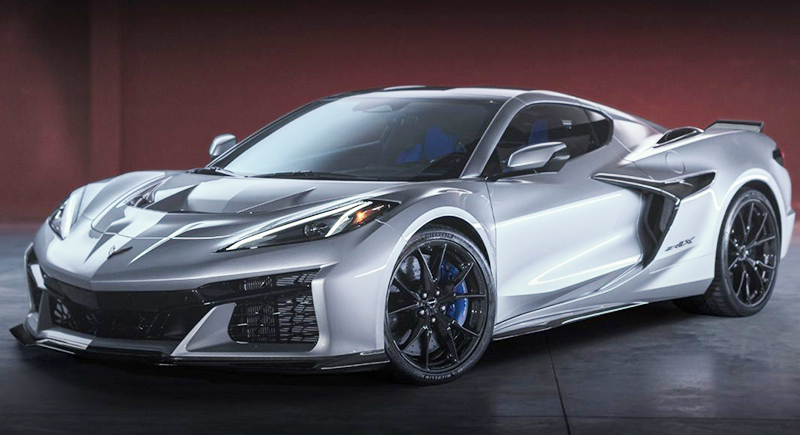
Chevrolet Corvette Zora
Credit: Instagram
Chevrolet is developing a hybrid flagship for the current Corvette generation, known internally as the ZR1X rather than an officially branded “Zora.” The model pairs a twin-turbocharged V8 derived from the ZR1 with an electric motor on the front axle. The combined output is expected to exceed 1,200 horsepower, with pricing projected at around USD 200,000 and production limited.
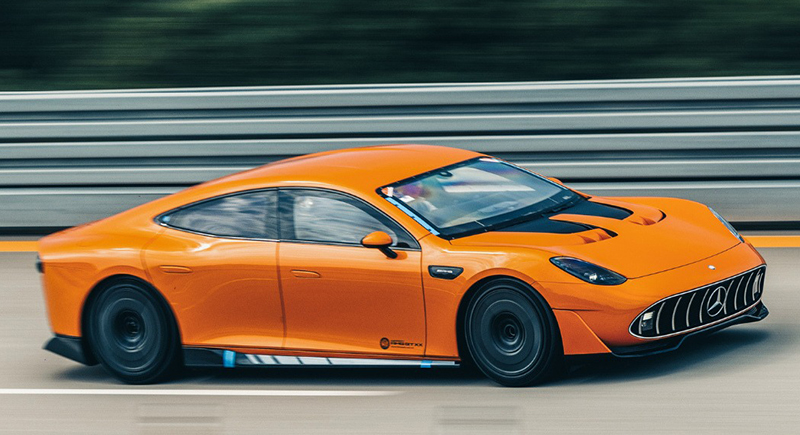
Mercedes-AMG GT EV
Credit: Instagram
AMG’s new electric sedan is built on a dedicated platform rather than a converted gas model. Engineers have focused on thermal management and repeatable performance to address concerns about power fade. Early specifications suggest more than 1,300 horsepower and high-speed charging enabled by a high-voltage system.
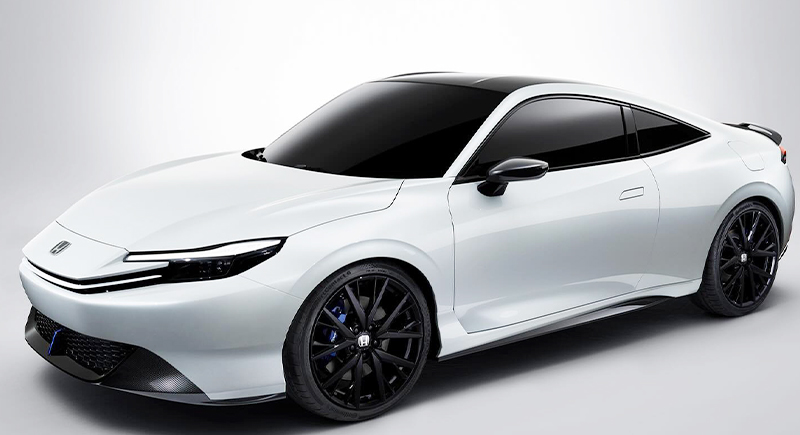
Honda Prelude
Credit: Instagram
Honda brings back the Prelude name as a compact hybrid coupe. Power comes from the company’s two-motor system, prioritizing balance and efficiency over outright speed. Styling stays restrained, and pricing is expected in the low USD 30,000 range, positioning it below traditional sports cars but above entry-level compacts.
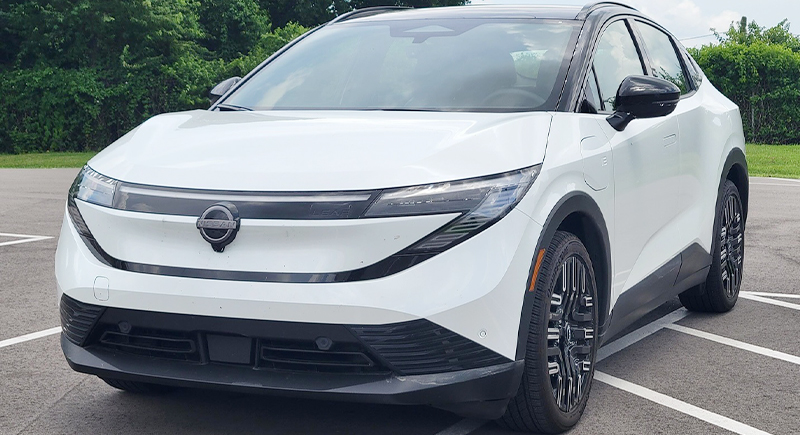
Nissan Leaf
Credit: Instagram
The Leaf shifts from a hatchback to a compact SUV shape for 2026. The redesign addresses past complaints about space and range, with expectations set above 300 miles per charge. Front-wheel drive remains standard, and the model continues to anchor Nissan’s push for accessible electric vehicles.
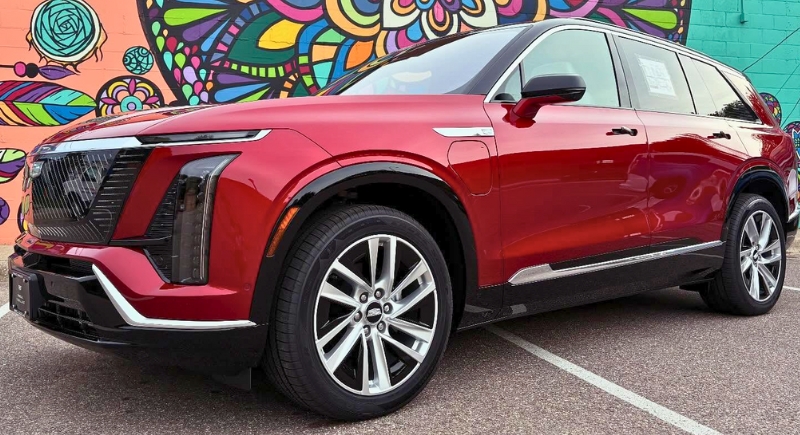
Cadillac Vistiq
Credit: Instagram
Cadillac places the Vistiq between the Lyriq and Escalade IQ, adding a three-row electric option to its lineup. Dual motors produce more than 600 horsepower, and the range is expected to exceed 300 miles. The model focuses on family use, assisted-driving technology, and long-distance capability.