10 Ways Millennial Parenting Would Have Blown Our Boomer Parents’ Minds
Parenting has changed dramatically over the past few decades. Many Millennial parents rely on pediatric research, online communities, and updated safety guidelines that simply did not exist when Boomers were raising kids. Practices that now feel normal, from sleep routines to discipline styles, often surprise older generations. These differences show how quickly parenting advice and expectations have evolved.
Clean Plate Club Is Officially Retired

Credit: Canva
Dinner used to end when plates were spotless, even if it took an hour. Today, a child saying “I’m full” is often the end of the conversation. Millennial parents rely on research showing that overriding fullness cues can disrupt a child’s natural hunger regulation. Studies link pressure to eat with long-term, unhealthy eating patterns. So, the uneaten broccoli goes in the fridge, and guilt about starving children overseas no longer carries weight.
Big Feelings Are Not a Problem

Credit: Getty Images
“Stop crying” once passed for emotional management. Now parents crouch down and label the emotion when a Lego tower collapses. Emotional validation is treated as skill-building. Many Millennials grew up learning to suppress feelings, and therapy trends reflect how much of that stayed well into adulthood. Naming frustration or disappointment is now considered a foundation of emotional intelligence.
Mental Health Is Preventive, Not Reactive

Credit: Getty Images
A preschooler with anxiety might now see a play therapist before elementary school even starts. Millennial parents often compare mental health care to routine dental visits. A survey from Lurie Children’s Hospital of Chicago found that 80% of parents believe talking about mental health with kids is important. Previous generations, on the other hand, were encouraged to tough things out.
Time-In Instead of Isolation

Credit: Getty Images
Time-outs once meant sitting alone and thinking about what you did. Time-ins keep the parent physically present during the meltdown. The idea centers on co-regulation, which suggests children learn emotional control by borrowing calm from an adult. That shift can look strange to relatives watching from the couch. But research on child development supports the idea of connection during distress.
Attachment Comes First

Credit: Getty Images
Sleeping alone from infancy used to signal independence. Today, extended breastfeeding, co-sleeping, and baby-wearing are common among Millennials. Nursing for more than 1 year is widely normalized. Responding quickly to crying is seen as building secure attachment rather than spoiling. The “cry it out” philosophy feels distant for many younger parents. Independence is expected to grow from security.
Screens Have Boundaries

Credit: pexels
Saturday morning cartoons once ran for hours without debate. Millennial parents often limit tablets to roughly 30 minutes a day. Research linking screen exposure to sleep disruption and attention issues shapes those rules. The irony is obvious: the TV-raised generation now monitors digital time closely.
Overscheduling Is Out

Credit: Canva
After-school calendars were once filled with piano, soccer, and dance by default. Many Millennial families cap activities at one or two commitments. Burnout experiences in adulthood reshaped their priorities. Free play and even boredom are considered beneficial for creativity and resilience. Constant busyness no longer signals success.
Kids Hear the Real World

Credit: Getty Images
Conversations once paused when children entered the room. Millennial households often explain topics like homelessness, diversity, and even budgeting in age-appropriate language. Children are treated as capable of understanding context when it is explained clearly.
Authority Sounds Different

Credit: Getty Images
Boomer parenting often leaned toward authoritarianism, with clear, top-down rules. Gentle parenting keeps firm boundaries while validating emotions. Children may participate in conversations about household rules. Respect now goes both ways.
The Internet Sits at the Table
Credit: pexels
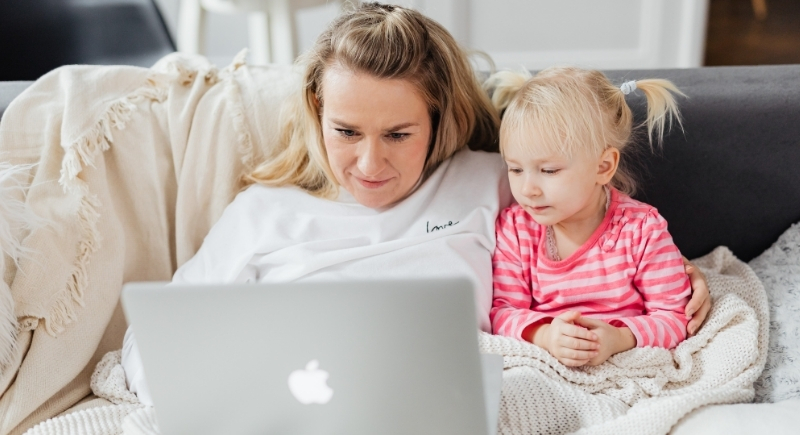
Parenting advice once came from neighbors or relatives. Millennials scroll through pediatric research threads and global parenting forums. About 85% say social media creates unrealistic expectations. Access to information broadens perspective but also increases pressure. The upside is exposure to diverse strategies and expert input. The downside is comparison culture at 2 a.m.