Millennial History Teacher Explains the Three Phases of Generation X
Generation X often slips out of focus, caught between two generations that tend to dominate the conversation. Born between 1965 and 1980, they grew up during a period of rising divorce rates, economic instability, and rapid shifts in media and technology. They reached adulthood before the internet shaped daily life, then adapted as it changed everything around them.
Later data shows that Gen X worked roughly the same hours as millennials did at the same age. What differed was how they approached family life, free time, and responsibility. Those patterns came less from personality and more from timing. Their lives unfolded across changing conditions rather than a single defining moment. A millennial history teacher recently captured this clearly by breaking Generation X into three distinct phases, shaped by when each group came of age rather than who they were supposed to be.
The 1970s Phase Built Independence Early
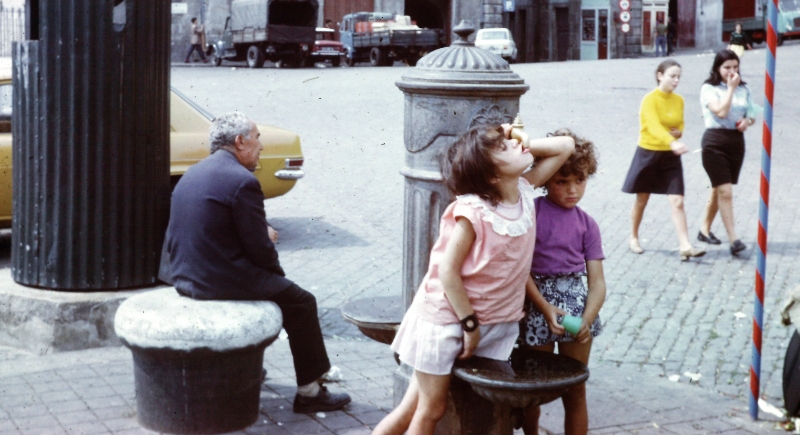
Image via Wikimedia Commons/Donald Judge
The earliest years of Generation X coincided with a challenging economy and significant changes at home. The 1970s were marked by stagflation. Gas shortages interrupted everyday life. More households depended on two incomes, and divorce rates continued to rise. Many kids spent long hours alone after school. This is where the latchkey label comes from, but it goes deeper than that. Its effects can still be seen decades later.
According to American Time Use Survey data, members of Generation X spent more time on housework and childcare in their late 20s and 30s than millennials did at the same age. Learning to manage on their own early in life often led to taking on more responsibility later in life. At the time, there was little talk about burnout or being overscheduled. Free time mainly existed because there were fewer rules and less structure. Gen X learned how to fill that time on their own and how to get by with minimal supervision.
The 1980s Phase Flooded Culture With Choice
The 1980s brought louder media, easier access to credit, and a rise in mass consumer culture. Cable television expanded viewing options, and home video changed how people watched movies. Music and fashion have split into smaller scenes, rather than sharing trends.
For Generation X, this created something new: the freedom to choose without needing permission. People could choose what they liked and who they wanted to be instead of following what came before. This led to strong personal identities but little interest in agreement or shared direction. It also helps explain why Gen X rarely claims credit for pop culture, despite much of today’s culture having originated during this time.
The 1990s Phase Locked In Skepticism

Image via Pexels/Michele Raffoni
This final phase shaped how many in Gen X entered adulthood. The Cold War ended, political confidence weakened, corporate culture expanded, and advertising became more difficult to take at face value. Skepticism developed gradually rather than as a reaction to a single event. Grunge pushed back against polish. Independent scenes avoided rapid growth. Selling out became something to sidestep rather than seek.
When people of the same age are compared, differences in habits appear. Millennials spent more time on computers and games. Gen X spent more time reading and watching television. Overall leisure time stayed similar, but how it was used varied. Gen X leaned toward passive activities, while millennials favored more interactive ones.
That outlook carried into later life. Gen X showed limited interest in attention-seeking or constant self-presentation. This helps explain why they often feel less visible in large cultural conversations.
Why the Three Phases Matter
Looking at Generation X through these three phases does more than organize history. It explains why the generation resists being labeled in a simple way. They grew up adjusting to systems that kept changing, then learned not to trust the next system too much.
Lauren Cella summed it up clearly when explaining this to younger students. Generation X does not need to be defended or rediscovered. They learned early how to navigate change without seeking recognition. The result is a generation that rarely explains itself and rarely asks to be remembered.