Meet the Artist Who Turned Stephen King’s Nightmares Into Reality
Stephen King’s stories have terrified readers for decades, but words alone are only part of the experience. Long before film adaptations and streaming series, many readers first met his nightmares through images. For an entire generation in Bulgaria, those images came from one artist whose work accompanied King’s books and defined how they felt before any reading.
That artist is Peter Stanimirov, and his illustrations turned Stephen King’s unease, dread, and psychological horror into something disturbingly tangible.
An Artist Shaped by Storytelling
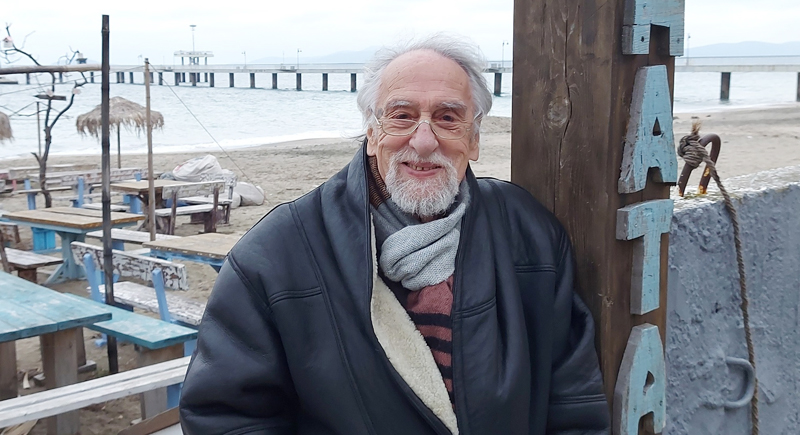
Image via Facebook/Петър Станимиров
Peter Stanimirov was born in Sofia in 1952. He trained in applied graphics at Bulgaria’s National Art Academy and built his early career in comics, animation, and graphic design. By the 1980s, his work was already familiar to Bulgarian readers through cult comics magazines like Daga and Chuden Svyat.
Comics taught him pacing, and graphic design taught him restraint. Illustration taught him how to suggest more than he revealed. Those skills would become essential once he encountered Stephen King’s work.
Bringing King to Bulgarian Shelves
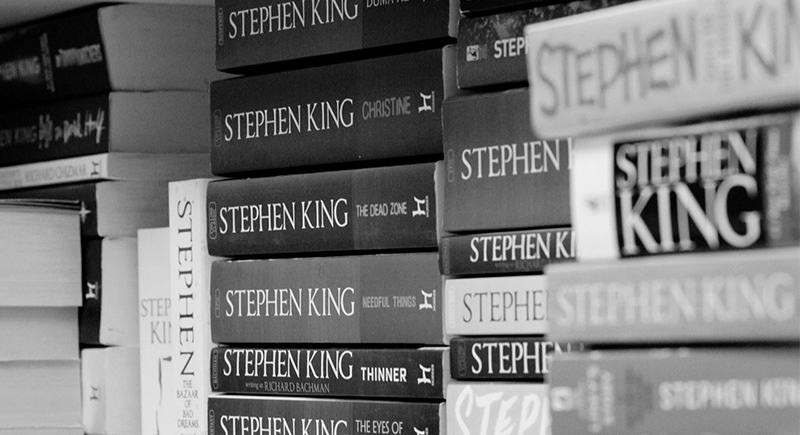
Image via Pexels/Maria Firman
In the early 1990s, Stephen King was far from a household name in Bulgaria. Only a handful of his books were available, and the country’s publishing market was still finding its footing after decades of isolation.
Stanimirov, by then co-founder of a small publishing house, encountered King’s novel The Dead Zone and recognized something different. Instead of treating King as a niche horror writer, Stanimirov saw an opportunity to introduce a new kind of storytelling. He didn’t just publish King’s books; he designed how they would be seen.
When Bulgarian editions of titles like ’Salem’s Lot, Carrie, It, and Pet Sematary appeared, they didn’t rely on familiar tropes or borrowed imagery from foreign editions. Stanimirov created original cover art that felt unsettling in quieter, more psychological ways. Faces appeared half-formed, and objects hinted at violence without showing it.
Covers That Changed How Readers Felt
Stanimirov went on to illustrate 21 Stephen King book covers in just a few years. The pace was intense, but the consistency was striking. Each cover stood on its own, yet together they formed a visual that readers quickly recognized.
The reaction surprised even the artist himself. Years later, Stanimirov learned that some readers turned his covers face down at night because they found them too disturbing. Others admitted they hesitated before opening the books, unsettled before the story even began.
That response speaks to what made his work effective. The illustrations captured the emotional temperature of King’s writing.
An International Reputation
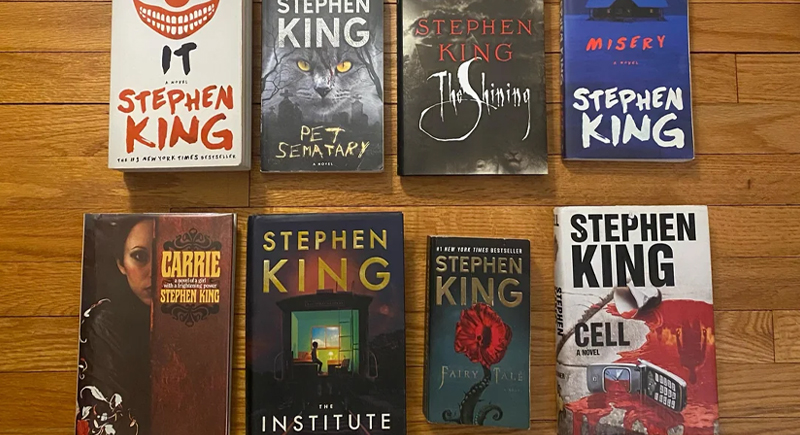
Image via Reddit/wtl119
Outside Bulgaria, Stanimirov’s work remained largely unknown for years. That changed in 2010 when his illustrations were included in the deluxe art volume Knowing Darkness: Artists Inspired by Stephen King.
The massive collection placed him alongside some of the most respected names in horror illustration, including Michael Whelan, Dave McKean, and Drew Struzan.
King biographer George Beahm dedicated a full essay to Stanimirov’s work, acknowledging the depth and originality of his interpretations. For an artist who had worked largely outside the global spotlight, the inclusion confirmed what Bulgarian readers already knew.
Preserving the Nightmares
By the late 1990s, many of Stanimirov’s original covers were no longer intact as standalone artwork. Lettering had been applied directly onto the drawings, damaging the originals. Rather than letting them disappear, he began carefully restoring and digitizing the images so they could exist independently of the books they once wrapped.
That effort culminated in 2011 with the release of a limited-edition bilingual art album titled Inspired by Stephen King. The collection brought together 29 illustrations spanning decades of work, presenting them not as commercial covers, but as complete artworks. Only 500 numbered copies were produced.
What sets Peter Stanimirov apart is that they leave space for the reader’s imagination to fill in what’s missing, which mirrors the way Stephen King’s best writing operates.
Stephen King has often said that horror works best when it reflects the fears people already carry with them. Peter Stanimirov understood that instinctively.