These Rare Medical Conditions Will Actually Give You Superpowers
Comic books love the idea of genetic mutations unlocking hidden abilities, and real life has its own version of that story. A small number of rare medical conditions can create traits that look almost supernatural at first glance. Scientists study these cases closely because they reveal how the body works at its limits. Here are 10 real conditions that give people abilities that feel straight out of a superhero script.
Super Strength From Myostatin Mutation

Credit: iStockphoto
In rare cases, a mutation in the MSTN gene reduces myostatin production, a protein that normally restrains muscle growth. Without that restraint, muscle fibers grow larger and stronger than average. A few documented children with this mutation showed unusually defined muscles at birth. Muscle mass simply develops at a higher baseline than most people experience.
Bones That Rarely Break

Credit: Canva
A family in Connecticut drew scientific attention after several members reported never having broken a bone, even after significant accidents. Researchers traced the trait to a rare mutation in the LRP5 gene. Their bone scans showed mineral density well above typical levels. Dentists even noted unusually solid jawbones during routine exams.
Life On Four Hours Of Sleep

Credit: Wikimedia Commons
Most adults struggle after a short night’s rest, but a handful of people naturally wake up refreshed after only four to six hours. Geneticists studying these “short sleepers” identified mutations in the DEC2 gene that appear to alter the body’s sleep regulation. Carriers often report feeling alert without caffeine and maintaining steady focus throughout the day.
Complete Insensitivity To Pain

Credit: Canva
Congenital insensitivity to pain sounds like a comic book advantage until real life steps in. Mutations in genes such as SCN9A disrupt the sodium channels that transmit pain signals to the brain. A child with this condition might touch a hot surface and feel no warning. Doctors have documented cases where broken bones went unnoticed for days.
Seeing Millions More Colors

Credit: pixabay
The average human eye relies on three types of cone cells to detect color. In rare instances, a fourth cone type develops due to a mutation in the opsin genes. This trait, known as tetrachromacy, appears most often in women. Laboratory testing suggests it can help distinguish color differences that look identical to others.
The Memory That Never Fades

Credit: Wikimedia Commons
Actress Marilu Henner discovered she had an unusual ability when she realized she could recall nearly every day of her life in detail. The condition, called hyperthymesia, has been confirmed in only a small number of people. Individuals with hyperthymesia can often name the day of the week for past dates and describe personal events with striking clarity.
Resistance To Arsenic Exposure
Credit: Canva
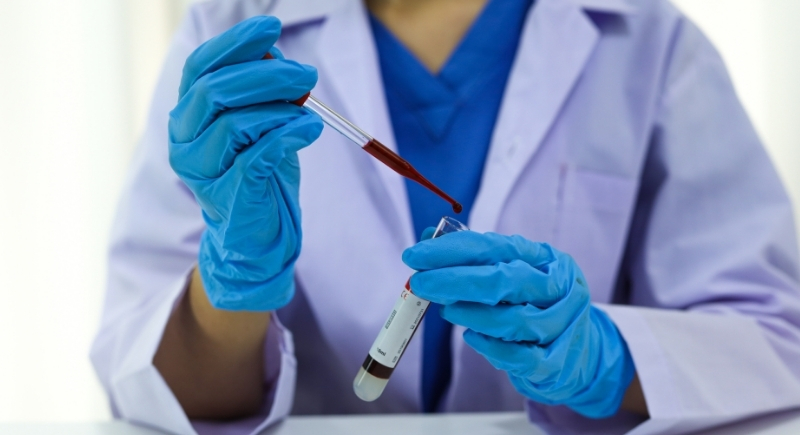
In northern Argentina, certain Indigenous communities have lived for centuries with naturally high arsenic levels in their drinking water. Genetic studies uncovered variations in the AS3MT gene that help metabolize arsenic more efficiently. Blood tests show that carriers process the toxin into forms that are easier for the body to eliminate.
Muscles Built For Speed

Credit: Getty Images
Elite sprinting has long fascinated sports scientists. One gene that often enters the conversation is ACTN3, sometimes nicknamed the “speed gene.” A particular variant, known as R577X, affects the production of a protein found in fast-twitch muscle fibers. Studies of Olympic-level sprinters have shown a higher frequency of the version linked to explosive power.
Naturally Low Cholesterol

Credit: Getty Images
Certain mutations in the CETP gene reduce the activity of a protein involved in cholesterol transport. People with this deficiency often have higher levels of HDL, the type linked to cardiovascular protection. Population studies have found lower rates of heart disease among carriers in some groups.
Unusual Flexibility Linked To Connective Tissue

Credit: Instagram
Spanish actor Javier Botet has a mild form of Marfan syndrome, a connective tissue disorder linked to mutations in the FBN1 gene. His tall frame and remarkable joint flexibility helped him build a career portraying physically unusual characters in film. Marfan syndrome can vary widely in severity. In milder cases, increased flexibility and long limbs are common.