Unexpected Decision-Making Trick That Keeps Our Marriage Happy
Big decisions can stir up tension in even the most loving marriages. Yet a few surprisingly simple tactics can keep the process smoother and even kind of fun. Here are some real-life strategies couples have used to cut down on resentment and keep decision-making from turning into a deadlock.
Use a Number Scale to Show How Much You Care

Credit: Getty Images
Couples sometimes avoid saying what they want to avoid a fight. Using a 0–100 scale can take the pressure off. Instead of arguing, each person assigns a number to how strongly they feel. An 80–20 means “I care a lot.” A 50–50 means “I’m neutral.” The higher total wins, but no one feels overruled.
Let One Person Make the Final Call, Then Stick With It

Credit: Getty Images
Before a tricky conversation starts, agree on who gets final say. Maybe one partner cares more or has more experience with the topic. Once a choice is made, both commit. Research shows shared responsibility followed by full support helps couples avoid resentment and move forward faster.
Check the Mood First, Not the Facts

Credit: People Images
Jumping into decisions without emotional prep often backfires. Instead of listing pros and cons, couples who first ask, “What’s coming up for you emotionally?” tend to resolve things more peacefully. Naming fear or stress early reduces tension. The Gottman Institute found that emotional awareness during tough talks improves outcomes and long-term satisfaction.
Turn It Into a Game (Really)

Credit: Getty Images
Some couples turn recurring debates, like where to order food or what to watch, into a standing challenge. They pick a category, take turns choosing, and keep track of the score. It sounds silly, but making decisions playfully can reduce friction. Over time, it reinforces fairness and keeps small things from feeling like power struggles.
Use the “Triangle” Model Instead of Compromise

Credit Aflo Images
Instead of meeting in the middle, some therapists suggest couples imagine a third option that fits both of them. Picture a triangle: each person is at one base corner with their idea, and the top point is the shared solution they haven’t found yet. It forces collaboration and can lead to more creative answers.
Ask Questions Instead of Making Your Case
Credit: pixabay
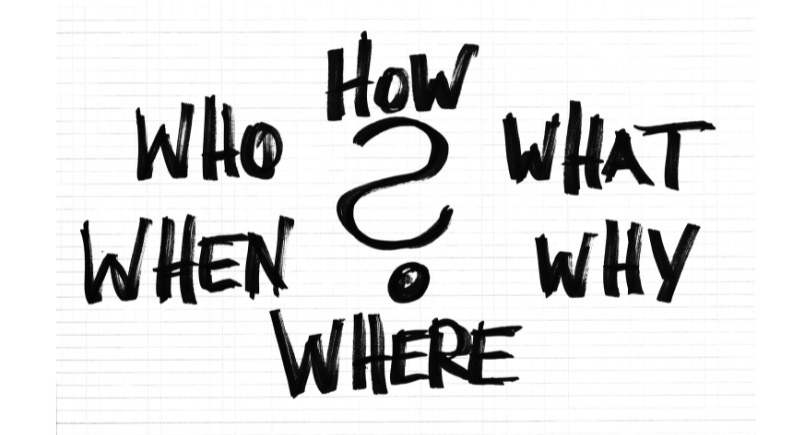
When emotions run high, statements can sound like demands. Asking thoughtful, open-ended questions shifts the tone. “Can you tell me more about what’s important to you here?” works better than “Here’s why I’m right.” Psychologist Abby Nordquist recommends this approach to lower defensiveness and create space for empathy.
Don’t Decide Tired

Credit: pixelshot
Timing matters more than people think. A University of Florida study found couples made more agreeable decisions when they were well-rested. Fatigue lowers patience and increases impulsiveness. A 20-minute snack break or short walk beforehand can actually lead to better decisions than an all-night discussion.
Name Your Dealbreakers Before You Argue

Credit: pexels
When each person clearly names their non-negotiables early, it makes finding a solution easier. If one person says, “Living close to my family is critical,” then the conversation shifts around that fixed point. It stops endless debates over smaller details and lets both people focus on building a plan around core needs.
Use Visuals to Sort Priorities
Credit: Getty Images
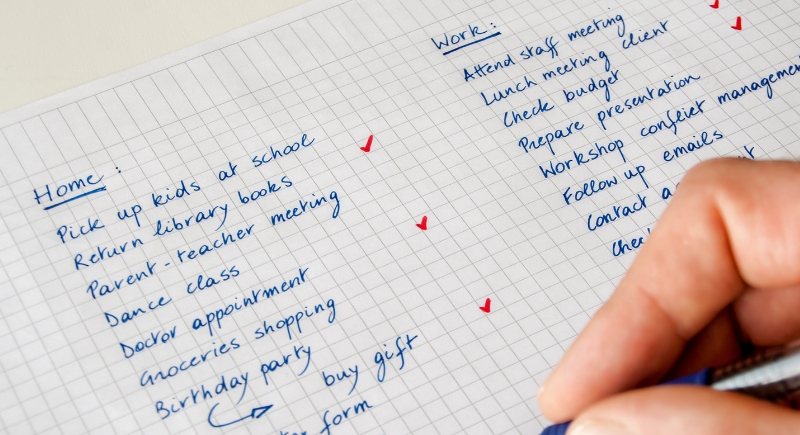
Whiteboards or even a shared spreadsheet can turn a stressful conversation into a planning session. Couples who list their wants, group them into “must-haves” and “nice-to-haves,” and compare visually tend to find more overlap than expected. Visualizing preferences takes the focus off whose idea is better and puts it on building a shared roadmap.
Decide How to Decide Before It Matters

Credit: pixelshot
This might sound meta, but couples who pre-plan how they’ll approach decisions often avoid future fights. Do they vote? Alternate choices? Use the number scale? Set time limits? Agreeing on the method ahead of time reduces emotional friction when big topics land.