Man Turns Camper Van Into a Helicopter
A camper van turning into a helicopter sounds like internet exaggeration, but this one is real. In Alberta, Canada, Chuck Jurgen Teschke took on the project himself. He brought nearly 40 years of aircraft maintenance experience to the build, which matters when dealing with aviation standards. In that world, panel alignment, weight distribution, and structural reinforcement are precise work.
He treated the project as both an engineering challenge and a sculptural piece. The helicopter was never meant to fly. The focus stayed on visual accuracy and mechanical detail. This build is part of his larger “Frankencopter” series, in which he combines unexpected vehicle bases with authentic helicopter components to create something that looks convincing at first glance.
A Classic Camper Was The Perfect Base
The Volkswagen T1 camper van gave Teschke a practical foundation to work from. Its boxy body made it easier to merge straight automotive panels with curved helicopter fuselage sections without everything looking forced. At the same time, the T1 carries instant recognition. Even people who know nothing about fabrication can spot that split-window front end, which makes the finished build even more striking.
The Kombi’s long production run also worked in his favor. Early models were mechanically simple, built around air-cooled four-cylinder boxer engines and very limited electronics. That simplicity leaves more room for cutting, reinforcing, and reshaping without fighting modern wiring systems and sensors. Teschke kept the front cabin intact up to the B-pillar so the iconic split-window face remains untouched, then reworked the rear structure to support the helicopter body components.
How The Helicopter Components Were Integrated
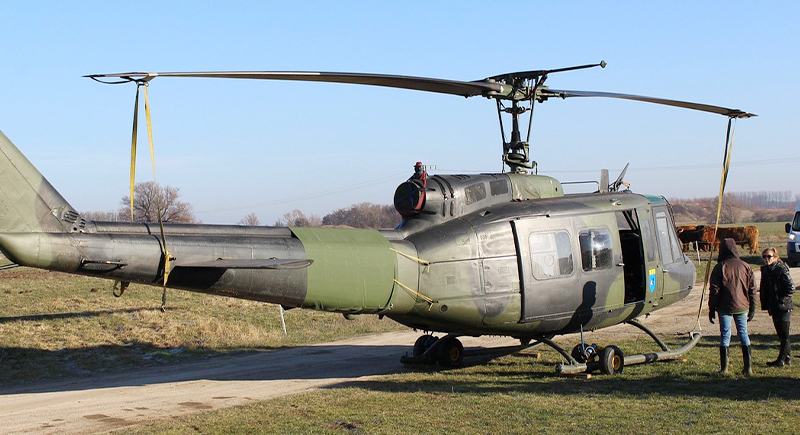
Image via Pixabay/Kühlungsborner
He started using heavily modified Airbus H125 blueprint references. After that, Teschke located a scrapped donor helicopter and paired it with a damaged VW Bus shell. Neither platform required preservation-level restoration, which made it easier to justify fabrication cuts. Major structural changes included installing an extended tail section, tail rotor housing, landing skids, and mounting support for rotor hardware.
The sliding side doors disappeared during integration to allow proper alignment with the helicopter rear fuselage. Additional design tweaks helped sell the illusion. Headlight openings grew larger for improved forward visibility, and additional roof windows matched the helicopter cockpit’s styling. The two-tone vintage paint scheme with red pinstriping tied the build back to classic Volkswagen styling.
It Looks Airworthy But Remains Grounded
The finished vehicle looks close enough to an operational aircraft that many viewers assume it could lift off, but physics and aviation regulations prevent that. Aircraft certification requires strict structural testing, aerodynamic validation, and safety system redundancy. Even small deviations can prevent airworthiness approval.
In this case, the project was never designed for certification, which allowed more creative freedom during its making. Even rotor blade installation would remain cosmetic unless the entire structure passed aviation inspection standards. That level of redesign would essentially require building a real helicopter around a cosmetic van shell, which defeats the artistic purpose of the project.
Hybrid builds like this succeed because they mix technical credibility with visual shock value. Car enthusiasts recognize the classic van instantly, aviation fans recognize H125 proportions, and fabrication fans appreciate the metalwork and structural alignment.
The project also feels realistic enough to create an online debate, yet unusual enough to spread quickly across platforms. Comments across Teschke’s social channels regularly show people asking if it flies, proving how convincing the finished machine appears.