The Best and Worst Characters on Mad Men
Mad Men built its reputation on strong character development and a willingness to embrace complexity. Some characters grew in ways that rewarded patience or served as narrative missteps. What made someone memorable was how well they fit the show’s tone and emotional depth.
Peggy Olson
Credit: IMDb
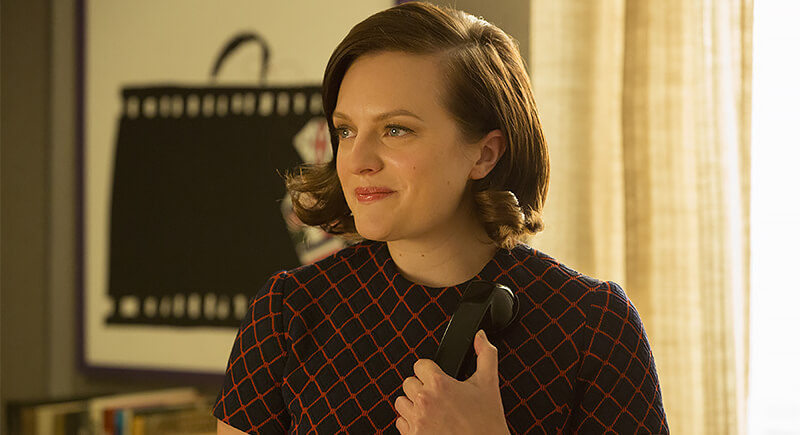
No one in Mad Men seemed to be able to match the depth of Peggy Olson’s arc. Her journey from secretary to top-tier copywriter became a defining thread across the series. You may have seen her grow professionally and continue to uphold her values. She also navigated a harsh and male-driven environment, and still managed to build respect on her own terms.
Don Draper
Credit: IMDb
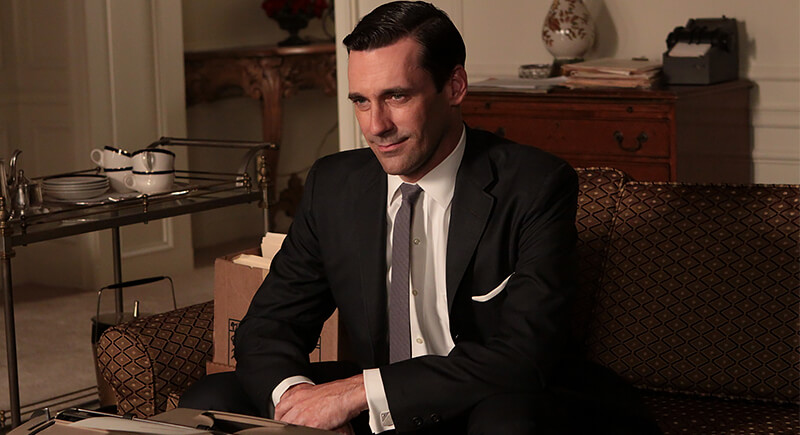
The writers of the show kept Don Draper at the center of the show’s emotional weight by making him unknowable. His entire persona was built on a lie, yet his struggles with that identity felt grounded. Every major storyline shifted around Don’s failures and attempts at reinvention. Consequently, his complexity made him all the more compelling, even when his choices were destructive.
Roger Sterling
Credit: IMDb
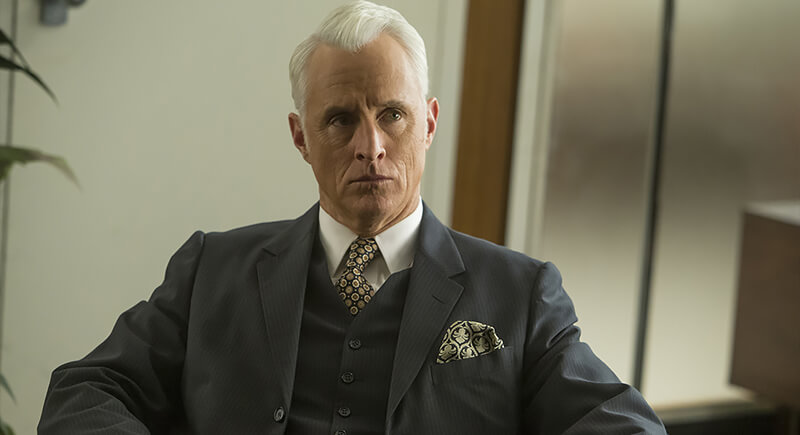
People tend to remember Roger Sterling for his one-liners, but they often overlook his psychological depth. Beneath the charm was a man who avoided change and feared irrelevance. However, as the agency evolved, he attempted to maintain his position without exerting any effort. Eventually, Roger realized that his survival largely depended on adapting.
Sally Draper
Credit: IMDb
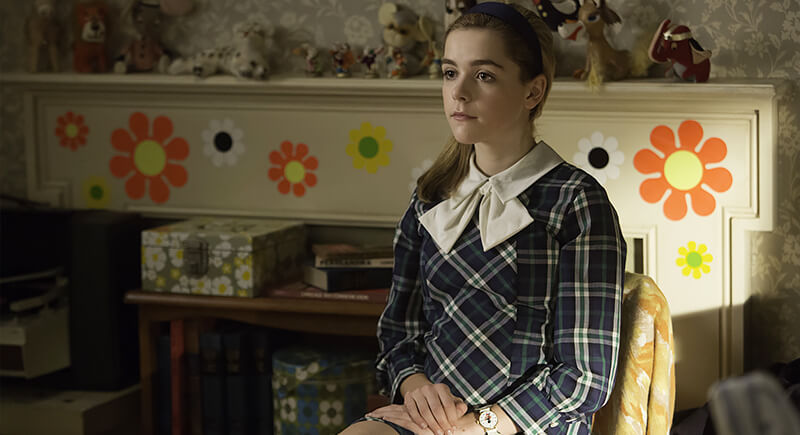
Kiernan Shipka’s performance as Sally Draper garnered praise for her subtlety, particularly considering her age. This is mainly because she carried the mental fallout of her parents’ choices and didn’t turn into a stereotype. Additionally, her reactions to Don and Betty seemed measured. By the end, she stood out as someone who understood more than anyone could have expected.
Joan Holloway
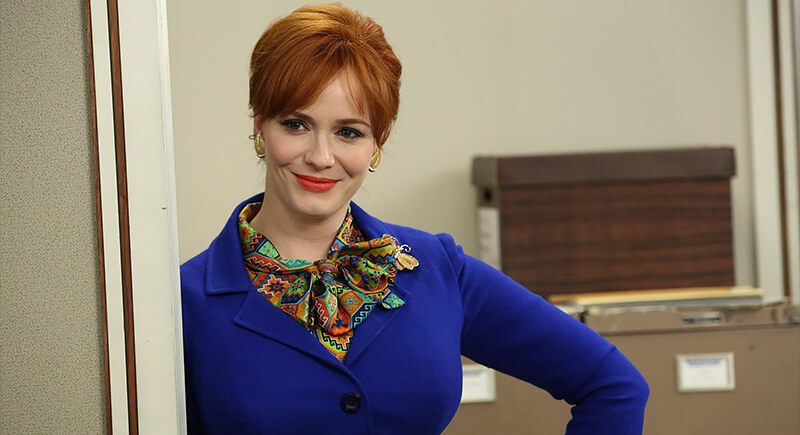
Credit: IMDb
Managing Sterling Cooper’s office from the very beginning, Joan Holloway walked into the series as the person who kept daily operations functioning. Her role demanded authority, psychological control, and an ability to read people. As time passed, her background as the firm’s steady presence complemented her decisions with respect to personal and professional life.
Greg Harris
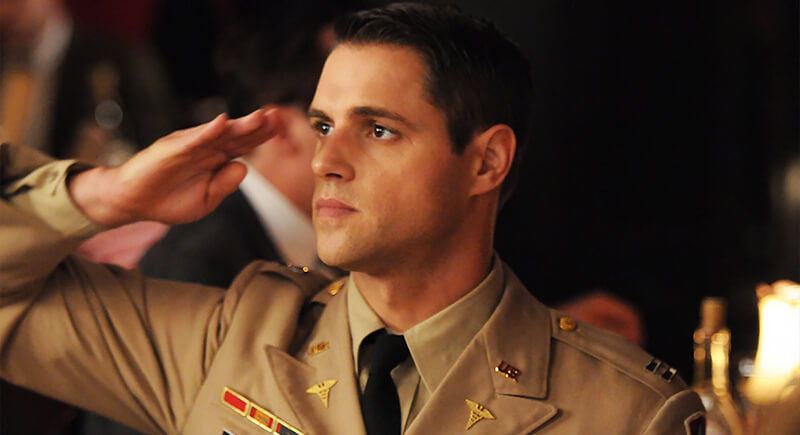
Credit: IMDb
Viewers had no trouble placing Greg Harris at the bottom of their rankings. His role never expanded beyond being controlling, insecure, and entitled. The storyline involving his attack on Joan pushed him beyond repair. Even before that, he dismissed her intelligence and tried to manage her life.
Glen Bishop
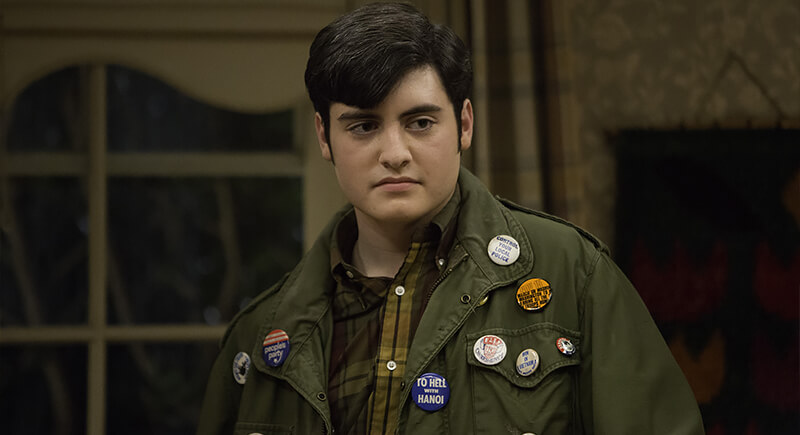
Credit: IMDb
Some characters fade into the background, but Glen Bishop drew attention for all the wrong reasons. His attachment to Betty ended up confusing watchers, and his scenes didn’t lead to anything meaningful. It didn’t help that Glen was played by the showrunner’s son, which made his presence even more like an awkward insert than a real figure.
Lou Avery
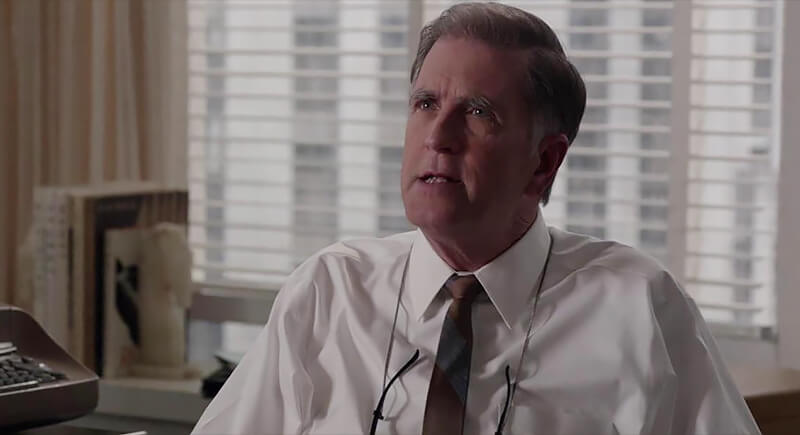
Credit: Reddit
Bringing in Lou Avery to replace Don at work seemed like an intentional way to frustrate viewers. But instead of offering tension or conflict, Lou drained the energy from every scene. He lacked charm and creativity, and his presence didn’t challenge anyone so much as slow everything down.
Father Gill
Credit: IMDb
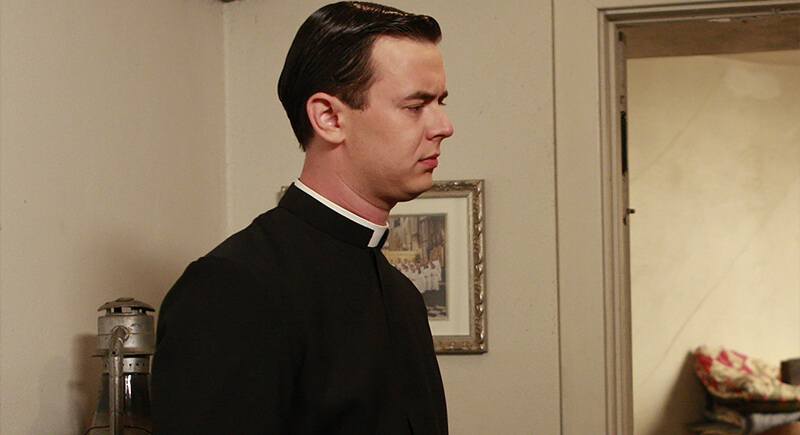
For a show that usually avoided clichés, Father Gill was strangely out of place. His scenes with Peggy carried a tone of moral judgment that didn’t fit her arc. Instead of offering support or complexity, he turned into a voice of shame. He also vanished without resolution, which made his role seem even more unnecessary.
Bobby Draper
Credit: Youtube
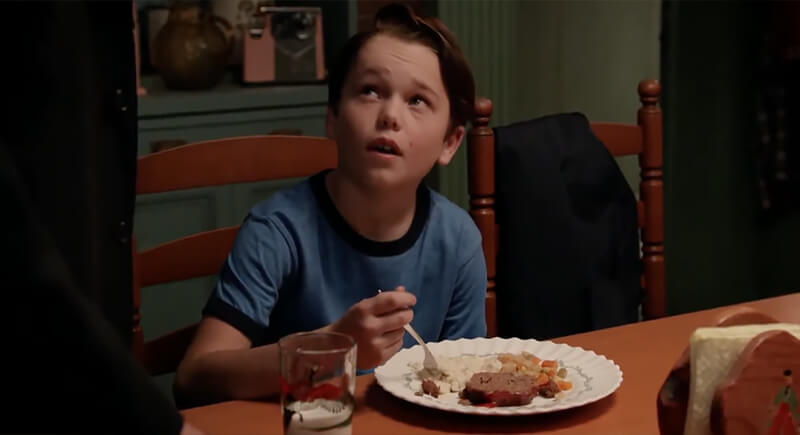
No character changed actors more times than Bobby Draper, and it showed. Unlike Sally, who developed into a sharp and emotionally grounded figure, Bobby stayed flat throughout. He existed more as a background object than a person. The show rarely gave him dialogue that revealed growth or insight, and he didn’t even affect Don or Betty’s choices in any significant way.