14 Must-Follow Rules for Writing the Perfect Love Letter
A good love letter is not about showing off your vocabulary or trying to sound poetic. It works because it feels personal, like it could only have been written for one person. These rules focus less on romance as performance and more on how words land when someone knows they were chosen with care and meant just for them.
Put It on Paper
Credit: Canva
Seeing your name written in someone else’s handwriting does something a screen never quite can. Writing by hand forces you to slow down, and that care carries through to the person reading it. A handwritten letter feels intentional and lasting, something meant to be held onto rather than glanced at and forgotten. You notice the weight of it before you ever think about why.
Get Specific

Credit: Africa Images
Being called “amazing” is pleasant, but it fades quickly. Being reminded that you hum while cooking or always save the last bite stays with you. Small, precise details send a clearer message: you pay attention. Science can explain why this works, but the feeling is straightforward. When affection is specific, it feels real, personal, and meant for you rather than anyone.
Mind the Timing
Credit: Getty Images
The same words can feel thrilling or heavy depending on when they arrive. A letter filled with intense emotions sent too soon can trigger pressure instead of warmth, even if the feelings are real. When emotional trust is already present, timing transforms vulnerability into reassurance. Good timing makes love feel safe rather than rushed.
Draft Before the Final Version
Credit: Canva
Writing from the heart does not mean writing without a filter. Early drafts often carry nervous energy, overexplanation, or lines that feel right only in the moment. Stepping away helps you hear your own tone more clearly. The finished letter feels steadier, which allows emotion to flow through the words without feeling unorganized.
Use Humor With Intention

Credit: Getty Images
Laughter can change the emotional temperature of a letter without stealing its focus. A playful line or gentle wit can ease tension and remind the reader how relaxed they feel around you. The goal is not to recreate a moment or joke, but to let your natural lightness show, giving the letter breathing room instead of emotional weight.
Keep the Language Honest

Credit: Getty Images
Most people can tell within a few lines whether words feel natural or performed, and a love letter works best when it sounds like the person who wrote it, not a polished version borrowed from books or movies. Simple phrasing often lands harder because it feels believable. When the voice feels familiar, trust follows almost automatically.
Skip Vulgar Content

Credit: Getty Images
A love letter lives in a different emotional space than flirtation or lustful texts. The goal is closeness and connection. Suggestion leaves room for imagination, while explicit detail can feel jarring or out of place. Many readers associate love letters with safety and tenderness, and crossing that line can interrupt the emotional mood rather than deepen it.
End Strong, Not Abrupt
Credit: Getty Images
A letter that fades out too quickly can leave the reader feeling slightly unanchored, even if the rest was beautiful. Closing with a hope, a shared plan, or a quiet promise gives the emotion somewhere to land. Endings help the reader feel held rather than dropped, as the final lines tend to echo the longest.
Avoid Overused Phrases
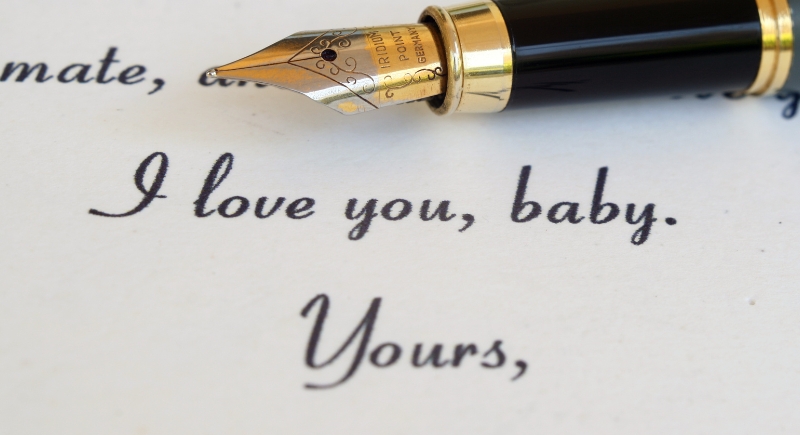
Credit: Getty Images
Certain romantic lines sound familiar because they have been repeated everywhere. The problem is not that they are wrong, but that they no longer feel personal. When language feels copied, the “heartfelt” part of the letter goes out the window. Even imperfect phrasing carries more weight when it clearly belongs to your relationship instead of a cultural script.
Let Shared Memories Lead the Message

Credit: Getty Images
Some moments carry more emotional weight than any compliment ever could. When a letter leans into a shared memory, it brings the reader back into a specific time you both recognize. Psychologically, memory recall activates emotional bonding, making the letter feel personal rather than generic or interchangeable.