The Empires That Ruled the Earth for the Longest Time
History isn’t really linear. Kingdoms rise, expand, fracture, and disappear, often leaving ruins and records that hint at their former power. A few political systems managed to last far longer than most. These empires governed vast territories for centuries and shaped culture and technology across continents.
Roman Empire – About 503 Years
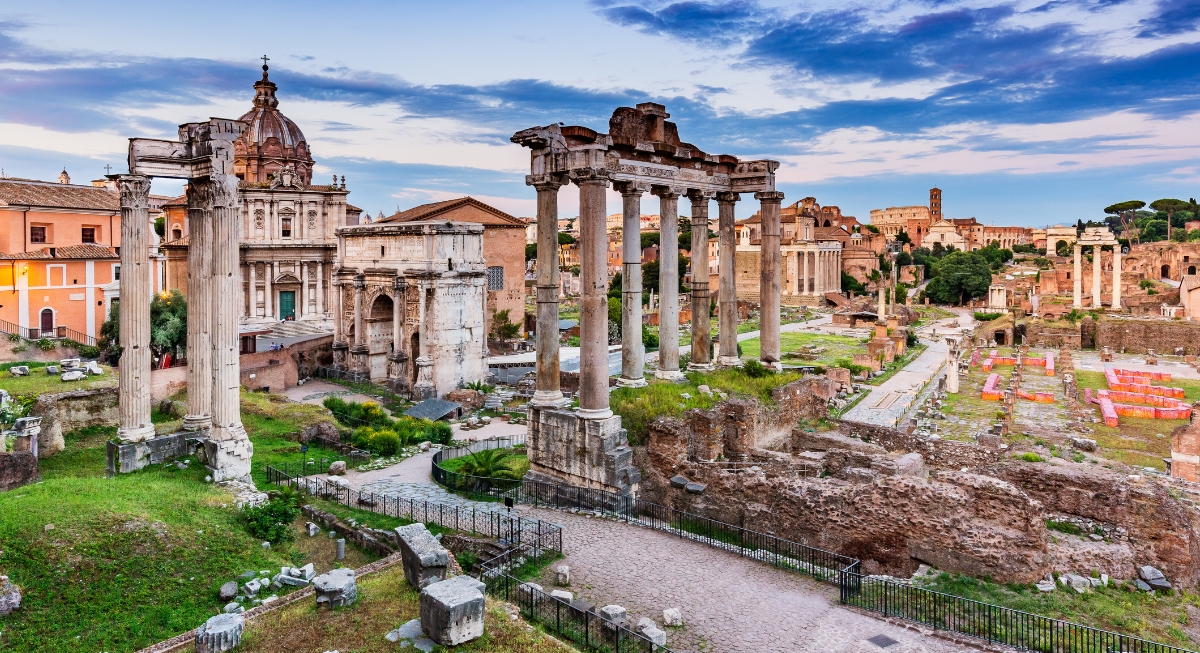
Credit: Getty Images
Few political systems shaped the ancient world as much as the Roman Empire. Beginning in 27 B.C. under Augustus, Rome expanded across Europe, North Africa, and the Middle East. Its engineers built roads and aqueducts that still influence modern infrastructure. The western half collapsed in 476 A.D., though the eastern continuation survived nearly another thousand years.
Byzantine Empire – About 1,123 Years
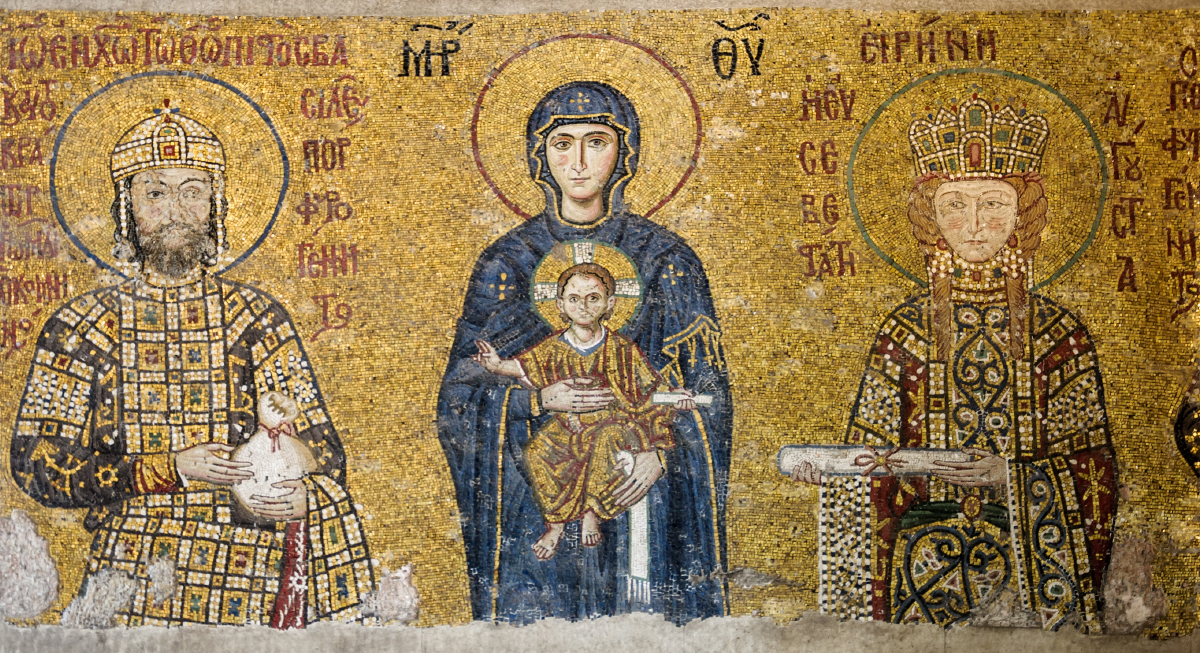
Credit: Wikimedia Commons
The Byzantine Empire preserved Roman traditions long after the Western Empire disappeared. Centered in Constantinople, it began in 330 A.D. when Emperor Constantine established the eastern capital. Greek culture blended with Roman governance and Christian institutions. The empire lasted for more than 1,100 years until Ottoman forces captured Constantinople in 1453.
Holy Roman Empire – About 1,006 Years
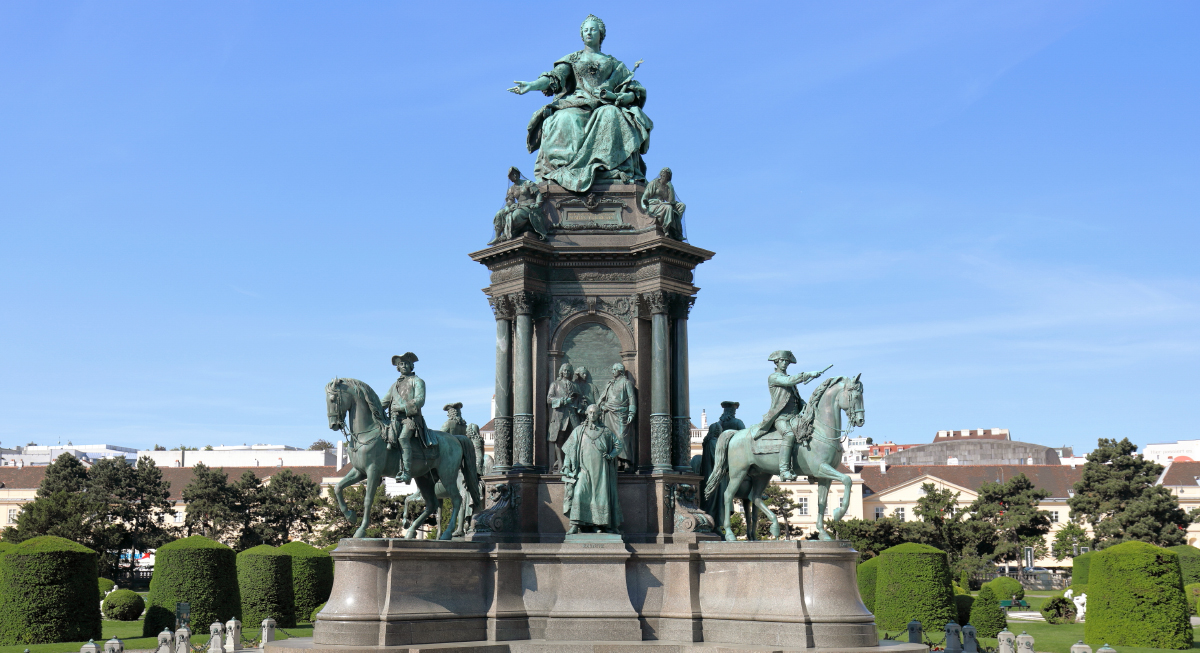
Credit: Wikimedia Commons
The Holy Roman Empire lasted more than a thousand years, but rarely functioned as a tightly unified state. Charlemagne’s coronation in 800 A.D. marked its symbolic beginning. German princes, bishops, and regional rulers formed a loose political network under an elected emperor. Religious authority from the Catholic Church helped sustain the system.
Ethiopian Empire – About 704 Years
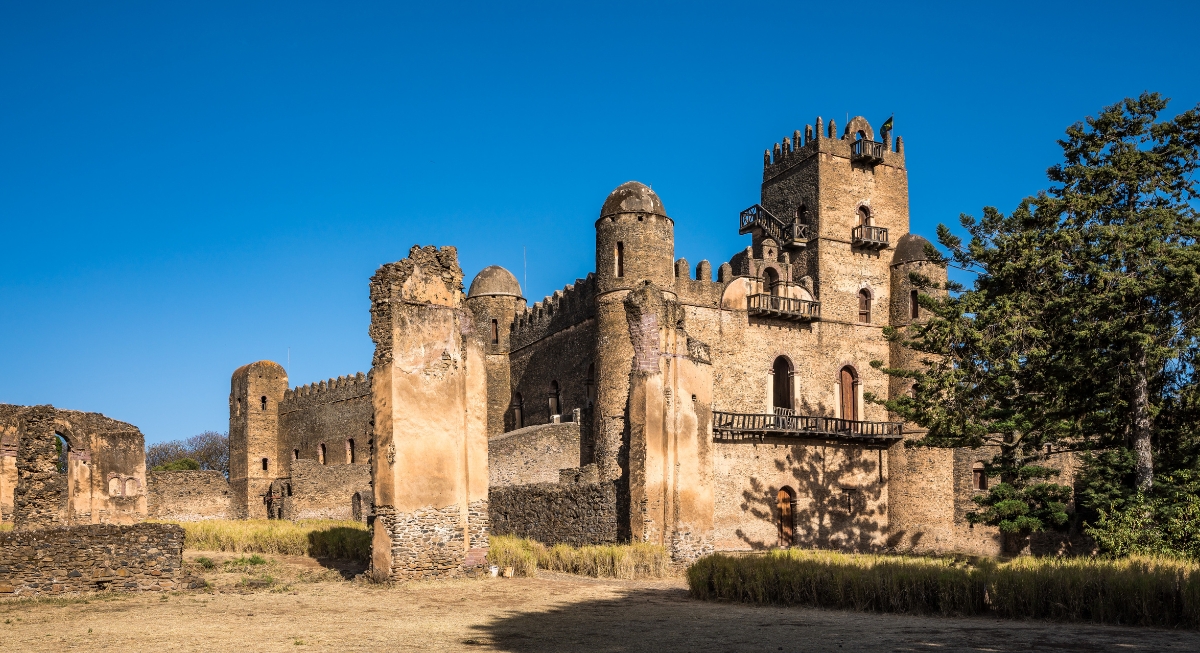
Credit: Getty Images
The Ethiopian Empire stands out as one of Africa’s longest continuous monarchies. The Solomonic dynasty began in 1270 and traced its lineage to the biblical King Solomon. Ethiopian rulers governed the highland territories and controlled trade routes linking the Red Sea to the interior of Africa.
Khmer Empire – About 629 Years
Credit: Wikimedia Commons
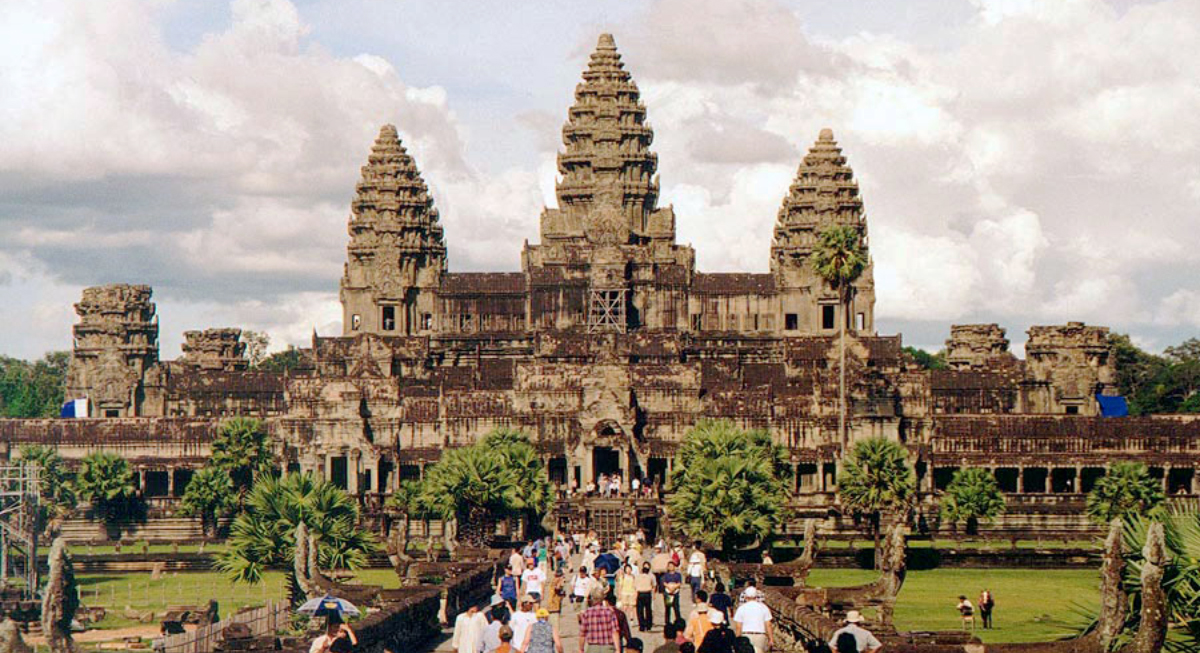
At its height, the Khmer Empire dominated mainland Southeast Asia. It began in the early ninth century and developed an advanced system of irrigation canals and reservoirs that supported massive urban populations. Angkor served as its grand capital, home to the temple complex of Angkor Wat.
Ottoman Empire – About 623 Years
Credit: Wikimedia Commons
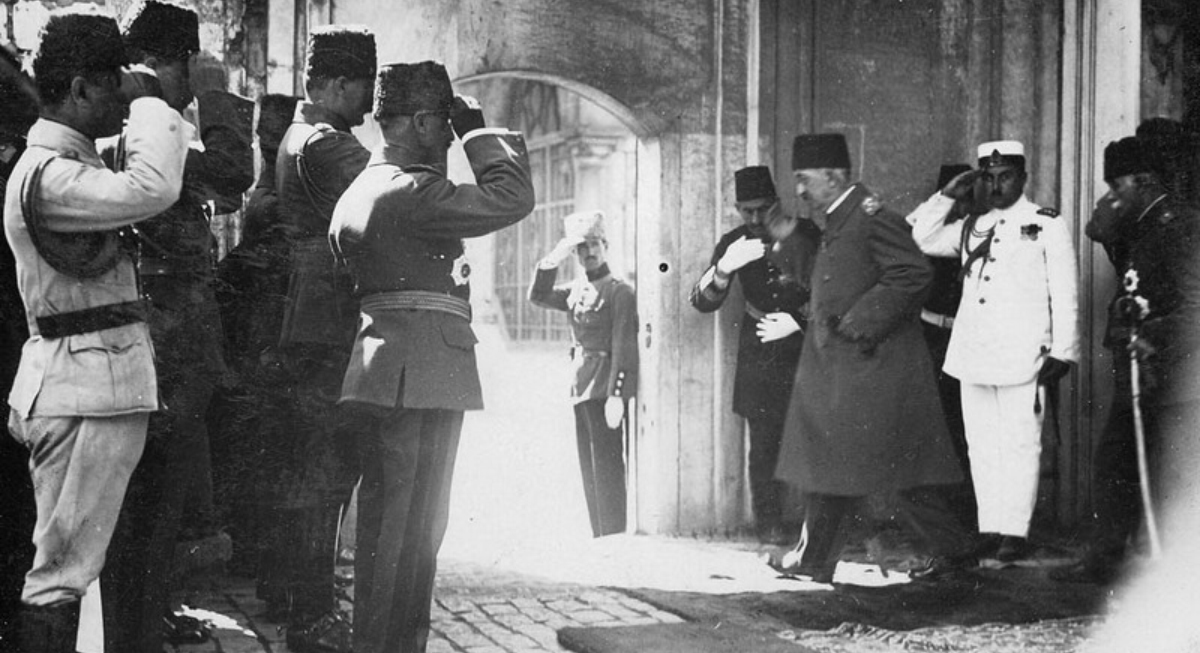
Under Osman I and later rulers, the Ottoman Empire expanded across Southeast Europe, the Middle East, and North Africa. Constantinople fell to the Ottomans in 1453 and became the imperial capital. The empire governed diverse religions and languages for more than six centuries before dissolving after World War I.
Zhou Dynasty – About 790 Years
Credit: Wikimedia Commons
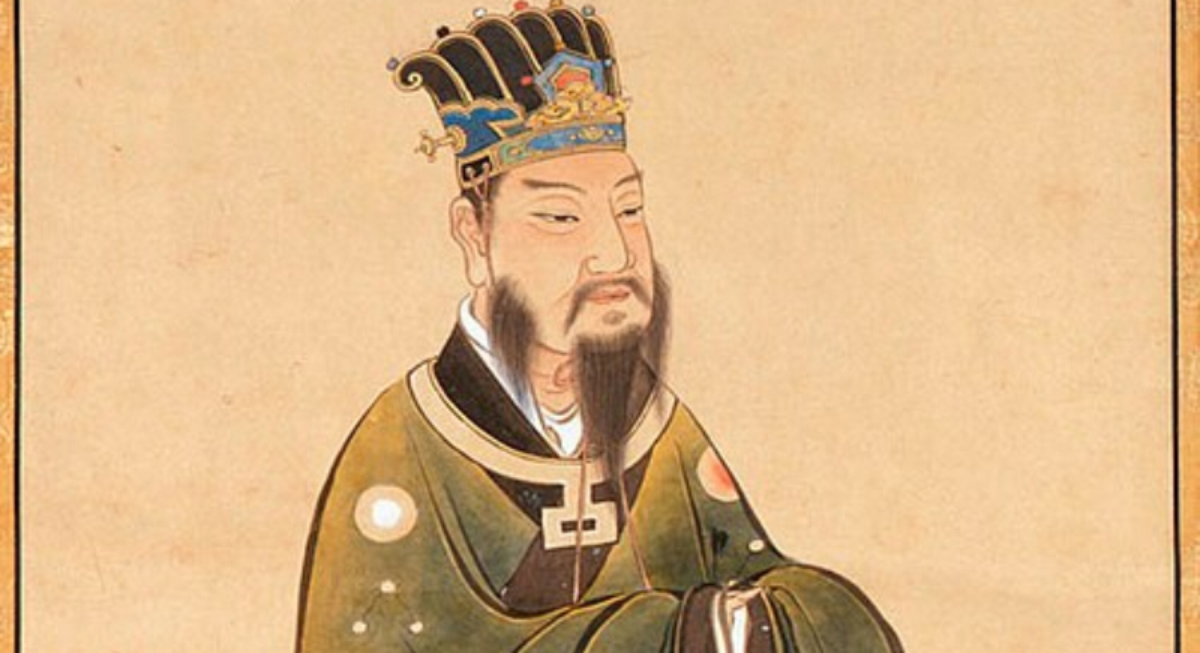
China’s Zhou Dynasty ruled longer than any other imperial house in Chinese history. The dynasty began around 1046 B.C. after Zhou leaders defeated the Shang rulers. Early kings governed through a feudal system that granted land to loyal nobles. Philosophical traditions such as Confucianism and Daoism emerged during the later period.
Carthaginian Empire – About 668 Years
Credit: Wikimedia Commons
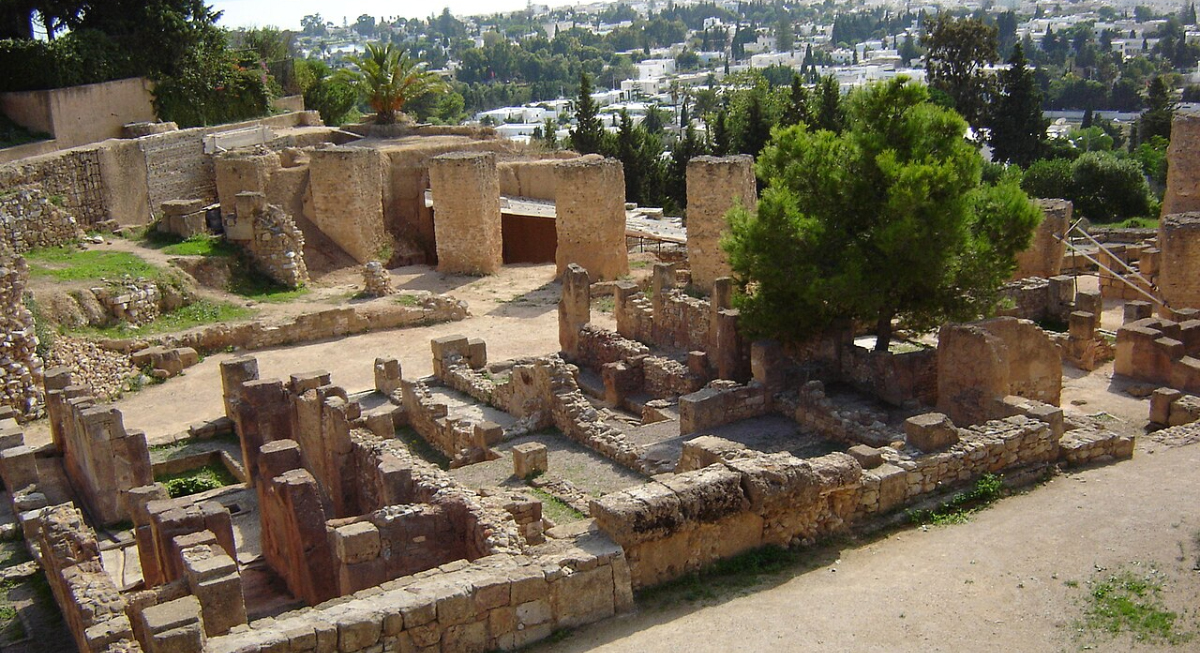
The Carthaginian Empire grew from a Phoenician trading settlement on the North African coast. Founded around 814 B.C., Carthage developed a powerful maritime network across the western Mediterranean. Its merchants traded metals, textiles, and agricultural goods throughout the region. Rome destroyed Carthage in 146 B.C. after a long and bitter conflict.
Parthian Empire – About 471 Years
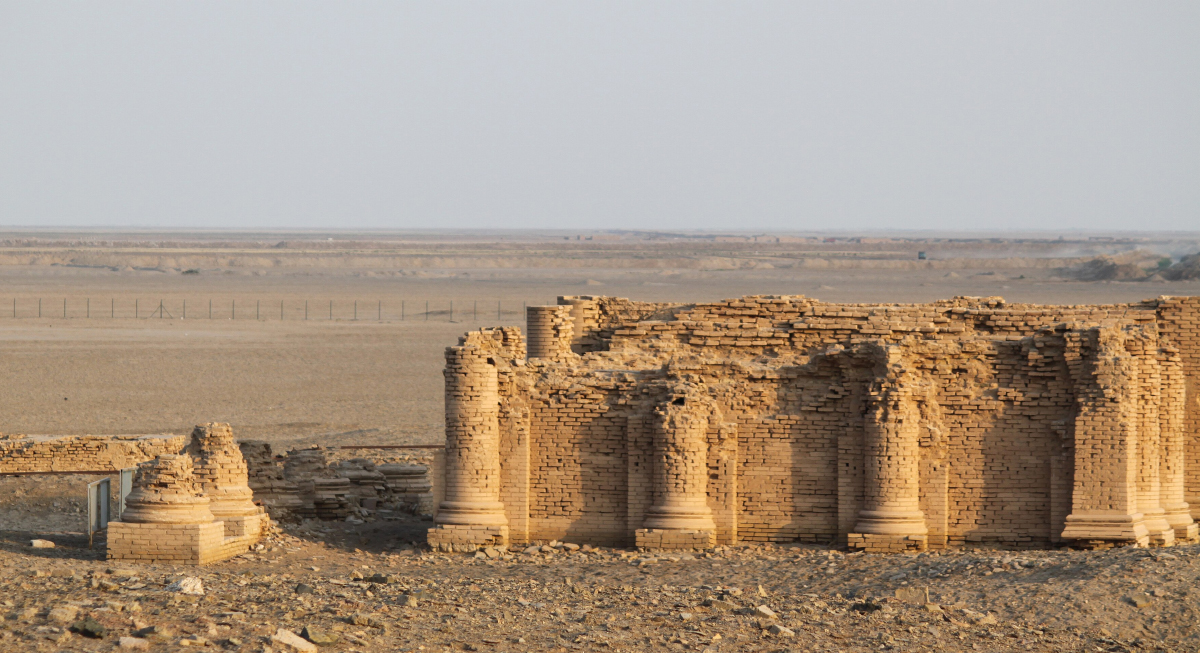
Credit: Wikimedia Commons
The Parthian Empire controlled a strategic corridor between the Roman world and Central Asia. Beginning in 247 B.C., Parthian rulers built a decentralized state that allowed local leaders considerable autonomy. Skilled horse archers became famous for battlefield tactics that frustrated Roman legions. Trade along the early Silk Road routes also flourished during Parthian rule.
Han Dynasty – About 426 Years
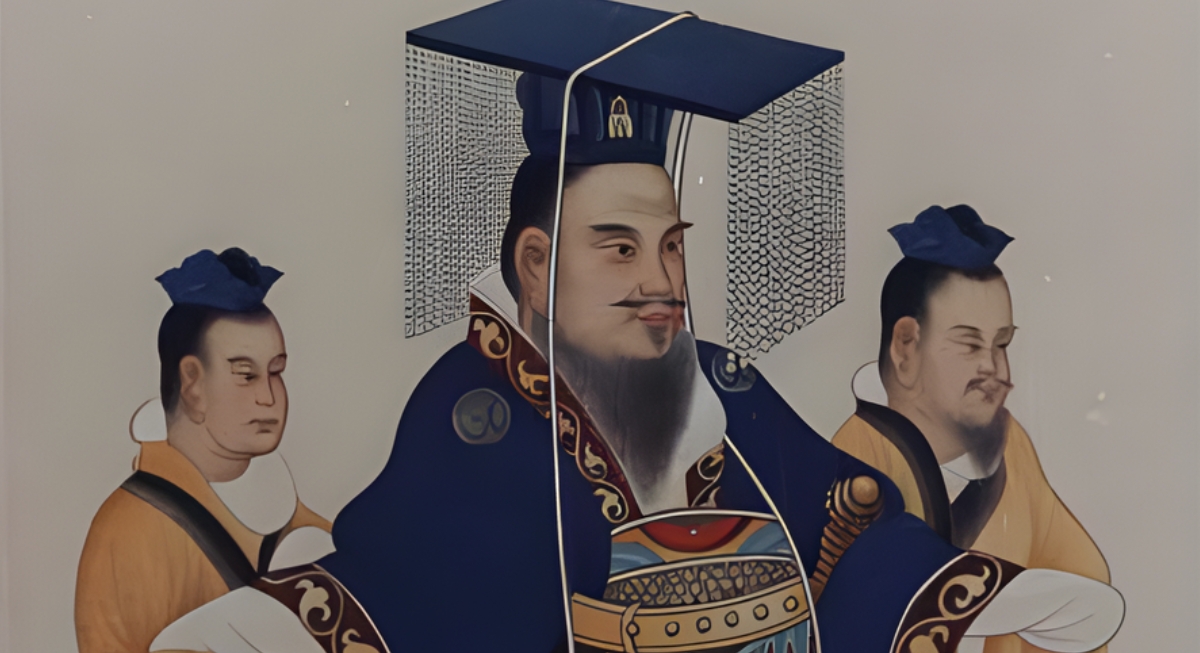
Credit: Wikimedia Commons
After the collapse of the Qin dynasty, Han rulers stabilized the empire and expanded its territory into Central Asia and Korea. Paper, seismographs, and improved metalworking appeared during this era. Economic strain and political infighting weakened imperial authority until the dynasty ended in 220 A.D.