Life Lessons from the Greatest Generation That Every Grandchild Should Hear
Grandparents who came of age during the Great Depression and World War II built lives on tight budgets, long workdays, and a clear sense of responsibility. This generation grew up during the 1930s economic collapse. Scarcity was daily life, and that pressure forced clarity. Spend carefully, show up on time, and keep your word. Those ideas were survival tools.
Resourcefulness Was the Default Setting
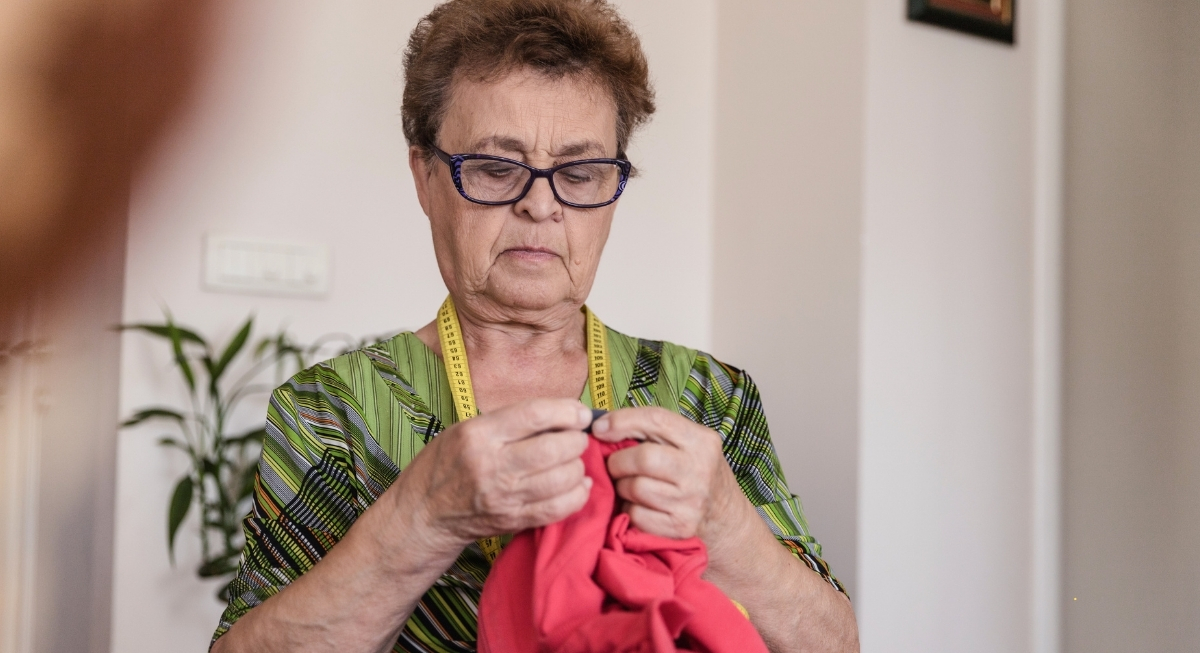
Image via Getty Images/Dobrila Vignjevic
Repairing clothes, saving leftovers, and growing food were common during their time. This built patience and problem-solving skills. It also created a level of awareness that feels rare today. When something breaks, the first instinct used to be “How do I fix this?” Now it’s often “What should I replace it with?”
Money Meant Security, Not Status

Image via Canva/Africa images
Saving wasn’t optional for this generation: it was protection. Phrases like “save for a rainy day” came from lived experience.
Many families prioritized setting aside part of every paycheck, even when income was limited. That approach still shows up in modern advice, such as paying yourself first or contributing to a retirement account like a 401(k).
Work Ethic Was Non-Negotiable

Image via Getty Images/PeopleImages
Long hours and physical labor defined much of work life in the early and mid-20th centuries. Jobs weren’t always fulfilling, but they were taken seriously.
That attitude shaped how people approached responsibility. Showing up, doing the job well, and following through mattered more than recognition. It created a standard where effort was expected, not praised.
Relationships Were Built on Effort
Family dinners, handwritten letters, and regular visits were priorities. Communication took time, which made it more intentional.
Grandparents often passed advice through simple routines. Weekly meals, shared chores, or walks around the neighborhood became the setting where life lessons stuck. Those moments created space for real conversations.
Humor and Perspective Carried People Through

Image via Getty Images/AleksandarNakic
Even during difficult periods, many families relied on humor. Jokes at the dinner table, storytelling, and shared laughter helped manage stress.
Optimism wasn’t about ignoring reality. It was about choosing how to respond to it. A belief that things could improve helped people keep moving forward, even when outcomes weren’t guaranteed.
Independence Was Taught Early
Knowing how to fix small problems, manage money, and take care of daily responsibilities was expected. Skills like using basic tools or handling simple repairs weren’t seen as optional. That focus on self-reliance made life smoother. It also reduced dependence on others for everyday needs.
Teaching younger generations these skills builds confidence practically. The details may change, but the idea is straightforward. The more capable someone becomes, the more control they have over their own life.