Massive Lies That Completely Rewrote the Course of History
History tends to hold onto good stories even after the facts fall apart. A convincing lie can travel far and leave a mark that lasts generations. In many cases, these falsehoods influenced policy, public opinion, and even scientific progress. Here are 10 lies that fooled people and steered the direction of history itself.
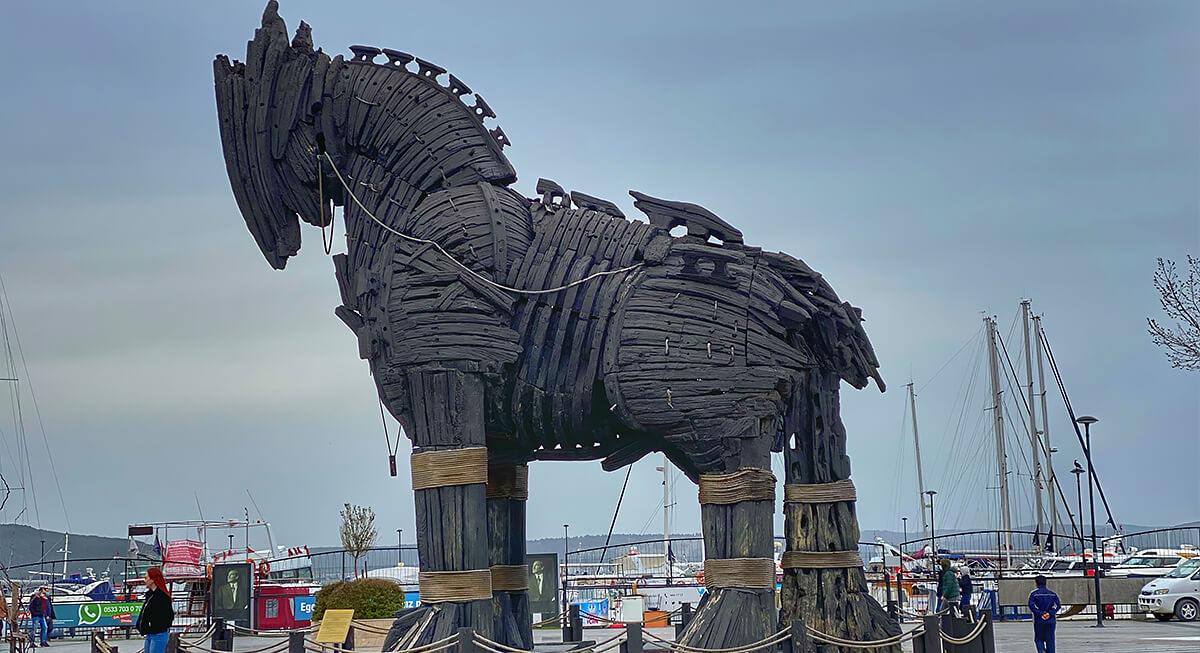
The Trojan Horse Legend
Credit: Wikimedia Commons
The tale of a giant wooden horse that sneaks soldiers into Troy is sure to capture the imagination. Historians still debate its reality, with some suggesting it was a metaphor for siege technology. True or not, the story became shorthand for deception and strategic trickery, and even modern cybersecurity language and tactics.
Andrew Wakefield’s Vaccine Study

Credit: Youtube
In 1998, a small study claimed a link between vaccines and autism. The paper appeared in a respected journal, which gave it immediate credibility. Later investigations revealed manipulated data and ethical violations. The study was retracted, and Wakefield lost his medical license. Even so, vaccination rates dropped in several countries, and measles outbreaks followed.
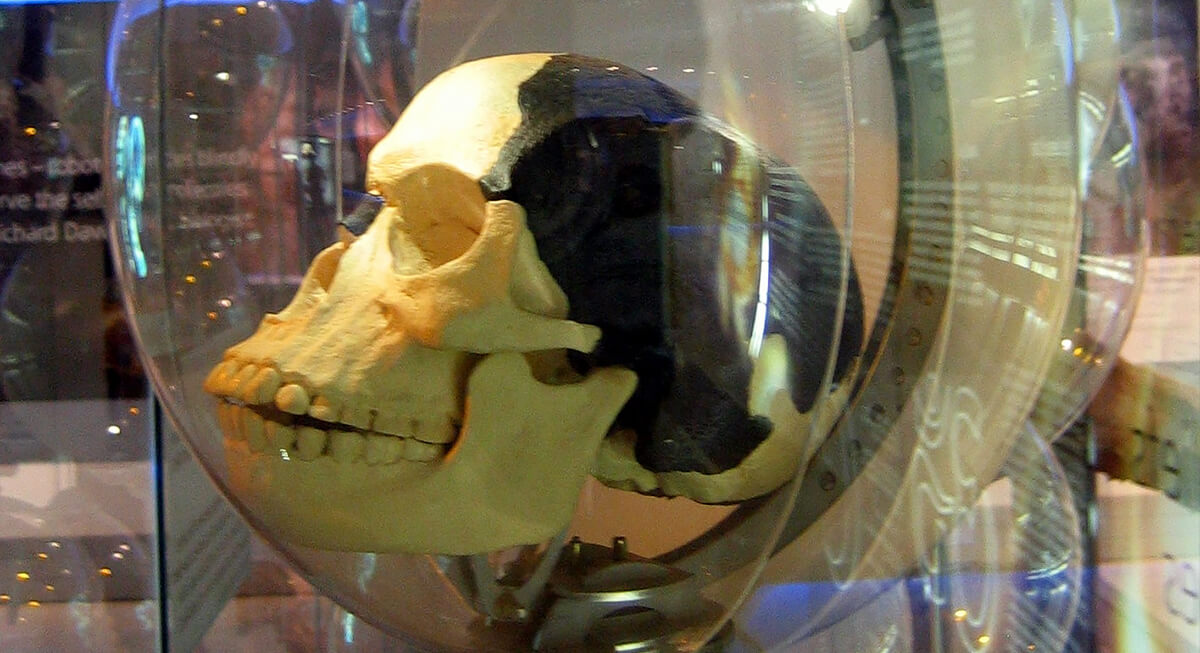
The Piltdown Man Hoax
Credit: Wikimedia Commons
Early 20th-century scientists believed they had found a missing link in human evolution. The Piltdown Man filled a major gap. For decades, it shaped scientific thinking and research priorities. Eventually, testing showed the bones came from different species, including an orangutan. The hoax delayed genuine discoveries and misled researchers.
Bernie Madoff’s Investment Scheme

Credit: Youtube
Bernie Madoff built a reputation as a trusted financial expert. His investment firm promised steady returns, which attracted wealthy clients and institutions. Behind the scenes, it operated as a Ponzi scheme, using new investments to pay earlier ones. The fraud lasted for years and reached billions of dollars. When it collapsed in 2008, it exposed major gaps in financial oversight.
Tobacco Industry Health Claims

Credit: pexels
For decades, companies publicly denied serious health risks related to tobacco. Internal research even showed they knew it was addictive and harmful. Advertisements and executives minimized concerns and compared it to harmless habits. These claims delayed regulation and influenced generations of smokers.
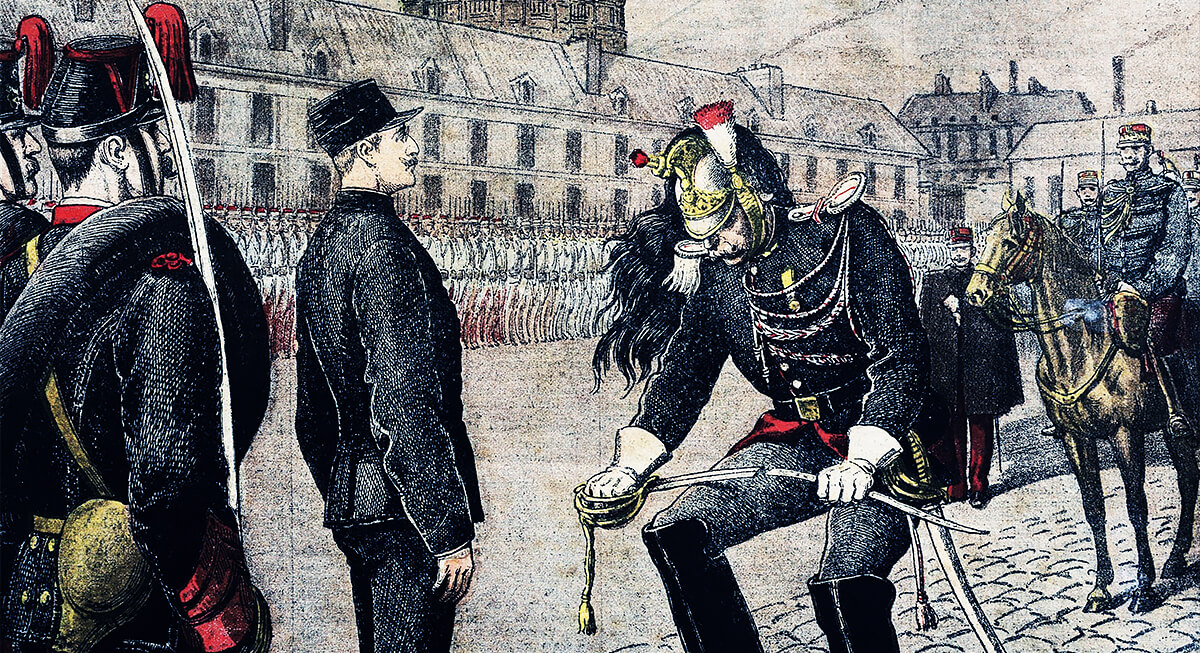
The Dreyfus Affair
Credit: Wikimedia Commons
In late 19th-century France, officer Alfred Dreyfus was convicted of treason on the basis of forged evidence. The military knew the case was flawed but pushed it forward anyway to protect its own reputation. Even after proof pointed to another officer, officials covered it up. The lie didn’t just imprison an innocent man; it split France politically and exposed deep-rooted antisemitism. Years later, Dreyfus was finally cleared, but the damage had already reshaped the country.
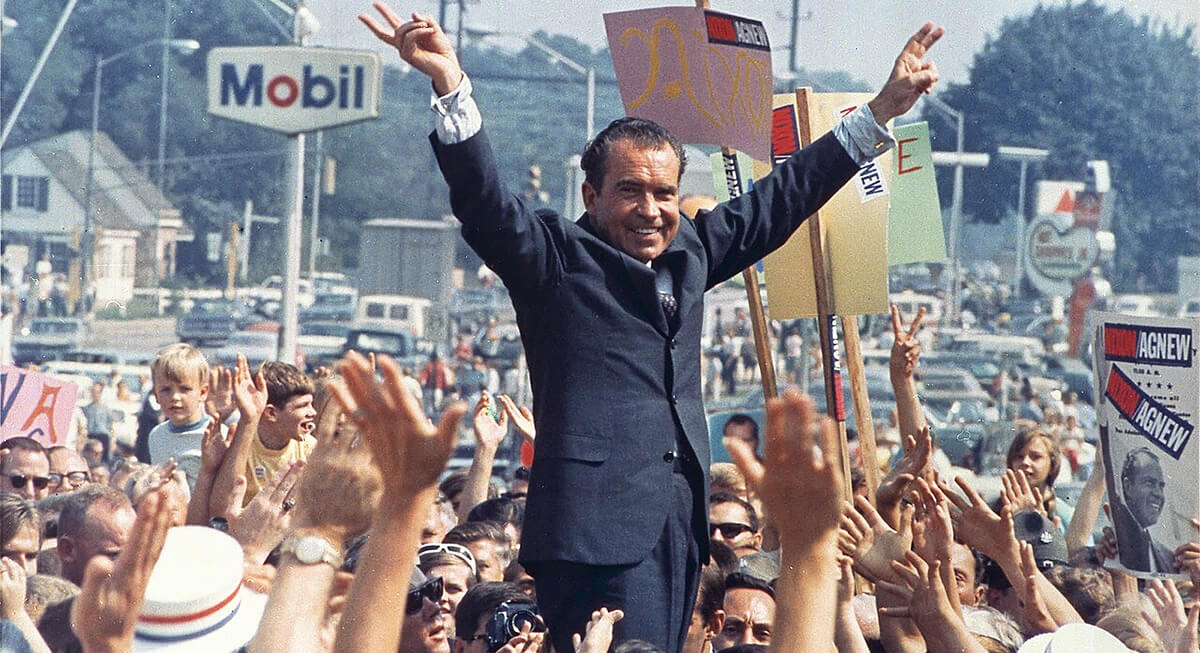
Watergate Denials
Credit: Wikipedia
When a break-in at a political office surfaced in the early 1970s, President Richard Nixon denied any involvement. Investigations continued and revealed a broader pattern of cover-ups. Secret recordings were used as key evidence. The truth contradicted earlier statements and led to a loss of public trust. Nixon resigned before impeachment could proceed.
The 2020 Election Fraud Claims

Credit: pexels
After the 2020 U.S. presidential election, claims of widespread fraud circulated despite a lack of supporting evidence. Investigations across multiple states found no outcome-changing irregularities. The narrative still gained traction among many voters. It fueled protests and contributed to the Capitol riot in January 2021.
The Flat Earth Misconception

Credit: Wikimedia Commons
A common belief suggests that people in the Middle Ages thought the Earth was flat. In reality, many scholars had understood its spherical shape since ancient times. The misconception gained popularity through later writings that misrepresented earlier knowledge. While harmless on the surface, it reflects how easily simplified narratives can replace more accurate historical truths.
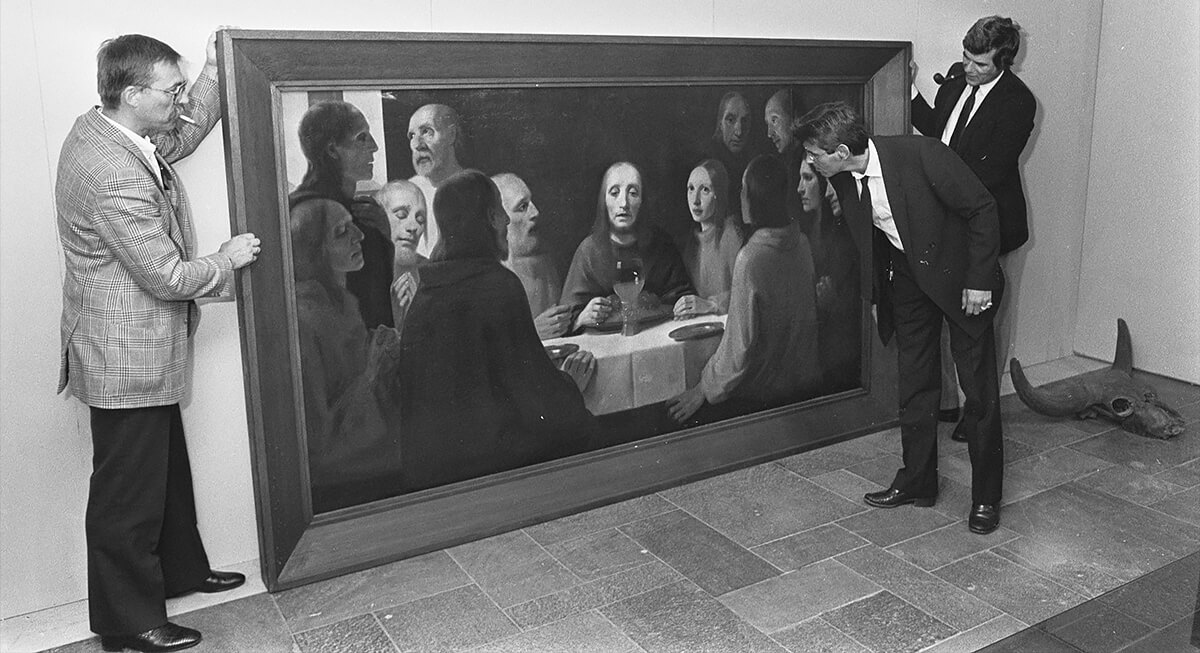
Han van Meegeren’s Art Forgeries
Credit: Wikimedia Commons
In the early 1900s, Dutch painter Han van Meegeren set out to deceive the art world after critics dismissed his work. He created forged paintings in the style of Johannes Vermeer and passed them off as newly discovered originals. Experts authenticated them, and museums paid huge sums. The lie held for years and fooled some of the most respected voices in art. It only collapsed after World War II, when van Meegeren admitted the fraud and proved it by painting another “Vermeer” in custody.