Lego Once Gave Out Real Gold Bricks as a Reward for Loyalty
Employee loyalty awards usually take predictable forms, like a plaque, but Lego took a different approach during a brief period in its history. In the late 1970s and early 1980s, the company created a reward reserved for certain employees that was never advertised, sold, or offered outside the company. The company produced only a small number, all tied to a specific period of its growth. Decades later, those same rewards have become some of the rarest and most talked-about objects connected to Lego’s past.
A Rare Reward
Employees who reached 25 years of service received a solid gold Lego brick. The piece was made of 14-karat gold and matched the size and shape of a standard 2×4 Lego brick. The company was expanding rapidly during this period and becoming a global brand while still retaining its old internal culture.
Reaching 25 years meant an employee had joined long before Lego became a household name outside Europe. The reward acknowledged that kind of commitment. Each brick came engraved with the recipient’s name and years of service. It was personal by design and never intended to leave the company ecosystem.
Why A Brick, And Why Gold?
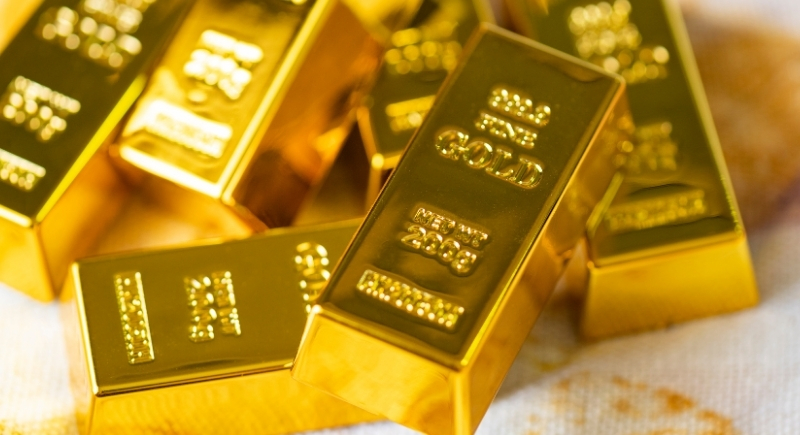
Image via Canva/Bigc Studio
The choice of a brick wasn’t random. Lego’s entire identity revolves around that shape, and rewarding loyalty with anything else would have missed the point. Using gold elevated it without turning it into something abstract. It is still connected with other Lego pieces and follows the same proportions. It just happened to weigh a lot more.
At the time, the gold content alone gave the brick serious value. Over the years, collectors and appraisers began placing the worth around $14,000 to $15,000 depending on market conditions. The price is partly due to the materials and partly to how few were made.
How Rare These Bricks Really Are
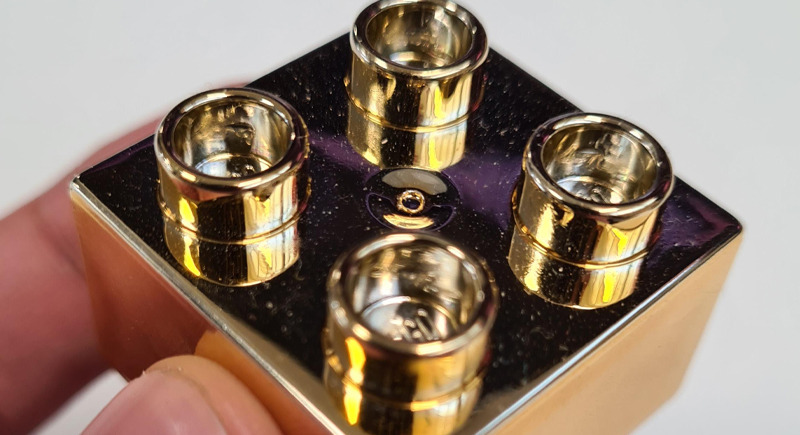
Image via Reddit/SZernx
Only a small group of LEGO employees qualified for the gold brick during the short period it was offered, keeping the total number extremely low. Most of the bricks remain with the original recipients or their immediate families, and verified public sightings are rare.
When a gold brick changes hands, it usually happens through private collector networks rather than major auction houses. Ownership reflects direct involvement in an early stage of the company’s history that no longer exists. The program ended in the early 1980s as LEGO expanded and formalized its corporate structure. Later employee awards followed standard recognition models, leaving the gold bricks permanently discontinued.
A Corporate Gesture That Aged Unexpectedly Well
At the time, Lego likely viewed the bricks as internal recognition rather than future artifacts. Modern brands chase scarcity through limited drops and collaborations, but Lego did it by accident, keeping something meaningful within the company walls. The bricks gained mystique because they were never meant to circulate.
That also explains why the story feels almost unbelievable now. It clashes with how corporations usually handle recognition, especially at scale. The gold brick reflects a moment when Lego was large enough to offer something extraordinary yet small enough to keep it quiet. The reward did not try to impress customers or investors, but existed for the people who built the company day after day.