How Latchkey Kids Actually Survived the Hours Between the School Bell and Dinner
Adults believed the latchkey life helped teach kids about responsibility, but that wasn’t always the case. Entering an empty home was like claiming a secret kingdom that vanished the moment a car hit the gravel. The afternoon held a mix of snacks, chores, and phone calls. With no grown-ups around to interfere, a boring day could turn into a wild adventure in seconds. Here’s how the kids spent the time.
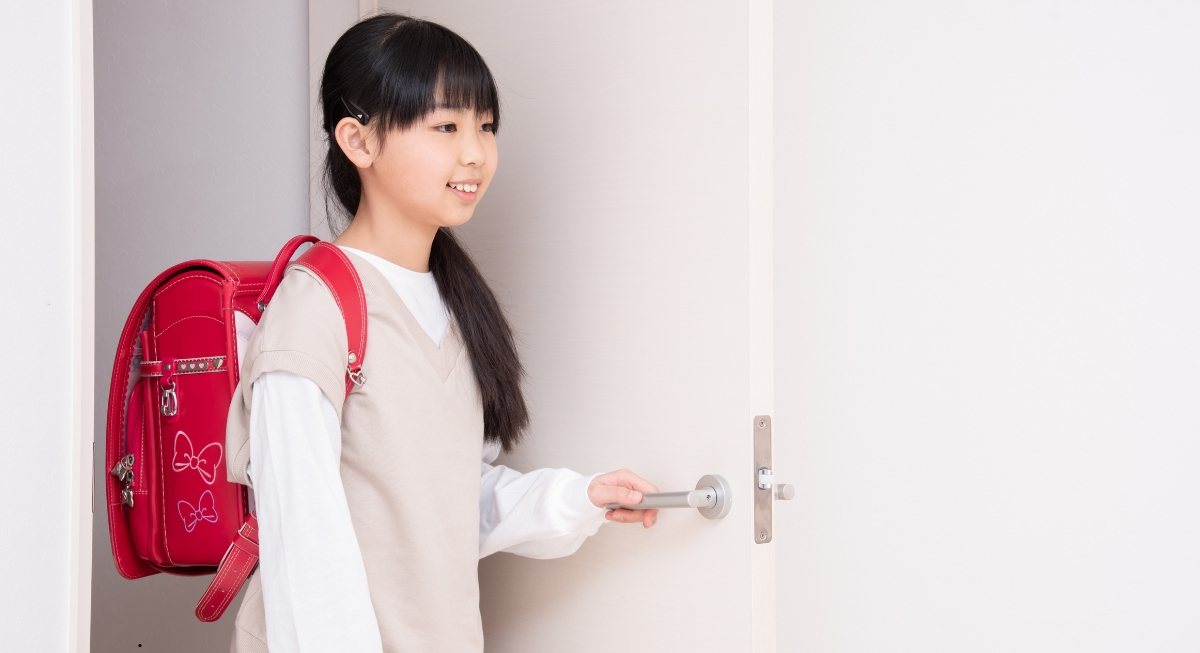
Getting Through The Front Door
Credit: Getty Images
The walk home focused on a single goal: getting inside safely. Once that lock turned, a world of after-school freedom began. One of the biggest rules was to lock the door right away. It was a big responsibility for a small key.
A Phone Call as Proof Of Life

Credit: pexels
The ringing phone marked the start of the afternoon. Kids would drop their bags, grab the receiver, and dial a parent for the daily check-in. The simple phrase “I’m home” could get the job done. Parents would then give a quick reminder about chores or locked doors before hanging up. With that task finished, the kids had to consider how to spend the hours ahead.
Snacks Required Some Strategy

Credit: pexels
When hungry, cereal was a safe bet, but frozen meals meant following strict microwave settings. If the stove was off-limits, there were even fewer options. Clever kids figured out how to eat without leaving a single crumb or wrapper behind.
Television For An Entire Afternoon

Credit: iStockphoto
Silent houses were uncomfortable, so the television provided a much-needed soundtrack. Animated shows and old sitcoms gave the day structure. Back then, kids paid attention to broadcast times because there was no on-demand streaming or replay button. Even a dull program was a comforting companion during those quiet hours before the rest of the family finally walked through the door.
To Do Or Not To Do Homework

Credit: pexels
Latchkey kids got to decide whether or not to do their homework since there were no parents around to supervise. Quiet students would finish tasks early to enjoy a free afternoon, while others just opened books for show before drifting toward the TV. Parents still asked questions later, so total avoidance was risky. The solitude helped some build discipline while others learned how long a worksheet could be ignored.
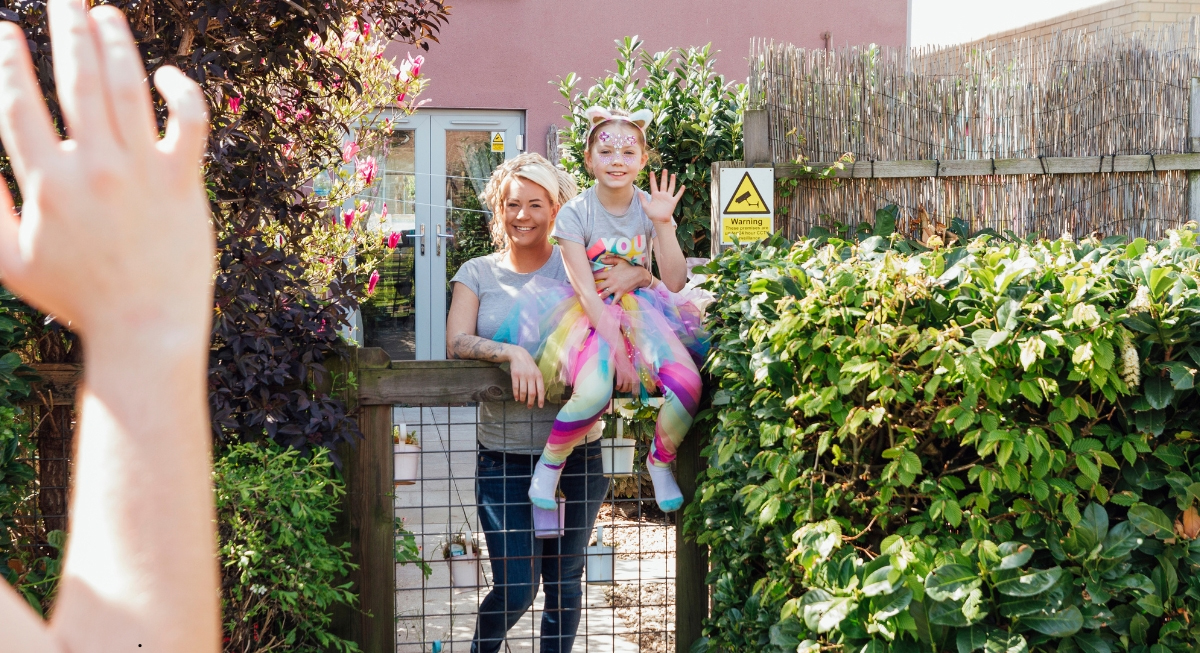
Neighbors As Backup Guardians
Credit: Getty Images
Nosy neighbors served as secret helpers. Parents would ask someone nearby to watch for trouble or listen for the kids. It was never formal childcare, but it provided peace of mind. A child at home felt safer knowing a trusted adult across the street was aware of the situation. Having a watchful eye nearby made all the difference during those quiet afternoons.
Older Siblings Were In Charge

Credit: pexels
Older siblings never asked for a leadership role, but they got one anyway. They managed snacks and settled arguments while trying to keep the younger kids away from anything breakable. It was a heavy responsibility, and the authority only went so far. Still, it helped the older kids develop problem-solving skills, especially when one mistake meant everyone would get in trouble.
Waiting At The Library

Credit: pexels
Home was not always the first stop. For some children, the library was a safer or easier choice than an empty house. It provided free seating, helpful adults, and a safe place to wait for a ride. Kids could finish homework, read books, or wait until pickup. In places where the same children came often, librarians could recognize the regulars, and the arrangement gave some parents peace of mind.
Emergency Rules On The Fridge

Credit: Getty Images
Many latchkey homes relied on safety scripts drilled into kids ahead of time. The children learned to ignore the doorbell and keep their parents’ absences secret. These basic rules became vital during moments of fear. Handwritten fridge notes and emergency phone lists served as daily reminders. Repeated warnings helped children stay alert.
The Parents Return

Credit: iStockphoto
A closing car door or keys hitting the counter signaled the end of solitude. Simple questions about dinner meant the parents were back in charge. In many homes, a boring report was the easiest way to prove the afternoon had gone fine. If nothing broke and no one called, the day was a success. For plenty of latchkey kids, not getting scolded or punished was a big win.