Jim Carrey Was Depressed Before ‘Eternal Sunshine,’ And the Director Begged Him ‘Please Don’t Get Well’
Before Eternal Sunshine of the Spotless Mind, Jim Carrey was going through a genuinely hard period in his life. He showed up to set quieter, more withdrawn, and clearly not in his usual headspace. Director Michel Gondry noticed right away. Instead of trying to lift Carrey out of it, Gondry saw something fragile and honest that fit the film perfectly. That led to an unusual moment between director and actor, one where Gondry asked Carrey for something no one normally would.
The Breakup

Image via Wikimedia Commons/David Shankbone
Carrey entered preproduction still hurting from his breakup with Renée Zellweger, a relationship that had burned fast and bright while they filmed “Me, Myself and Irene.” The split left him dealing with the kind of hollow feeling that sticks to a person. When he later reflected on that stretch of his life, he said the pain made the idea at the heart of Eternal Sunshine of the Spotless Mind feel completely believable. Wiping away memories did not sound dramatic or far-fetched. It sounded like relief. By the time he sat down to talk about playing Joel Barish, the sadness was not something he had to reach for. It had settled in already. Gondry noticed it right away and understood that this heaviness was exactly what the story needed.
A Director Who Wanted The Pain To Stay
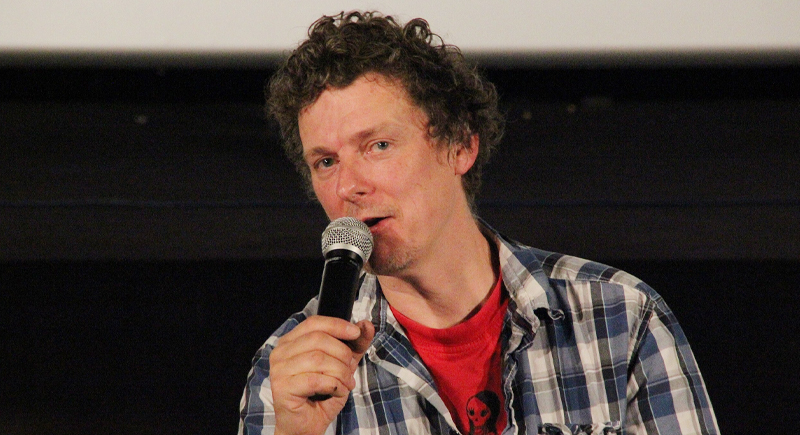
Image via Wikimedia Commons/Lionel Allorge
During that first meeting, Gondry delivered a request that still shocks people. He told Carrey he loved his broken state and didn’t want it to heal before filming. Production was still a year away, but Gondry wanted that ache intact when filming began. He was after feelings that felt lived-in, not polished for the camera. That approach shaped his casting choices as well, including bringing in Ellen Pompeo to play one of Joel’s former partners. Her resemblance to Zellweger struck Carrey instantly, and he didn’t hide his annoyance. Gondry denied doing it intentionally, but watching the emotional tension spike probably didn’t hurt his creative plans.
A Production Fueled By Emotion
The shoot didn’t always go smoothly. Gondry avoided calling “action,” preferring to roll the camera without warning. His spontaneity created moments that felt natural, but it also pushed the cast into unpredictable emotional territory. When Kate Winslet fainted during the sink scene, Carrey snapped.
Gondry wanted the camera to keep rolling, and Carrey’s protective instinct flared. They clashed loudly. Gondry remembered wondering if the argument would turn physical. Carrey joked later that they marked the end of production with a fistfight in the street. Their dynamic was fiery, messy, and occasionally hilarious, yet that friction fueled scenes that felt uncomfortably real.
Crafting Something Lifelong
Despite the behind-the-scenes chaos, the film became a cultural landmark. The practical effects, the emotional weight, and the unpolished intimacy made it stand out in a decade crowded with shiny sci-fi spectacles. It earned an Oscar for its screenplay and is a film people revisit when they want to feel something honest.
Carrey and Gondry eventually found a rhythm that worked, reuniting later for the Showtime series “Kidding.” They now describe themselves as siblings who survived summer camp together, bruised feelings and all. Carrey’s performance still feels so personal. The sadness wasn’t invented, but borrowed. And it stayed long enough to create a memorable role in his career.