A Japanese Mother Turns Everyday Meals Into Works of Art, and It’s Incredible
Making kids eat is not always easy, and for one mother in Tokyo, mealtime resistance sparked an unexpected idea. When her child refused to eat, Etoni Mama, a nursery school teacher and mother of three, began turning everyday meals into playful characters to hold her daughter’s attention. What started as a small effort at home soon became a steady creative outlet, shaped by care, patience, and imagination.
Uses Basic Ingredients to Build Complex Characters
Credit: Instagram
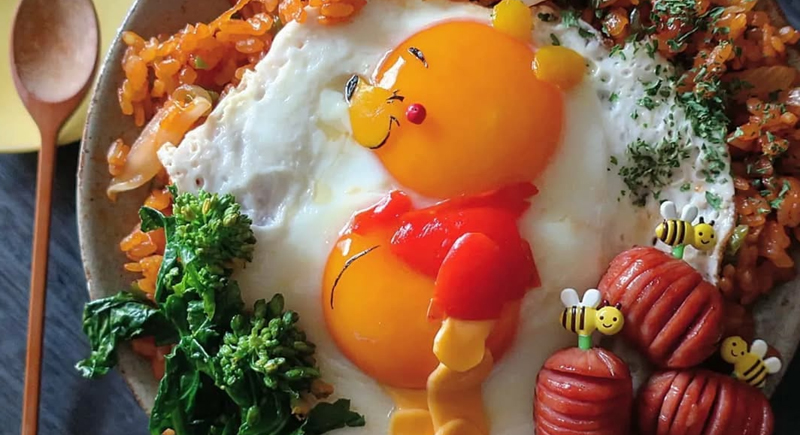
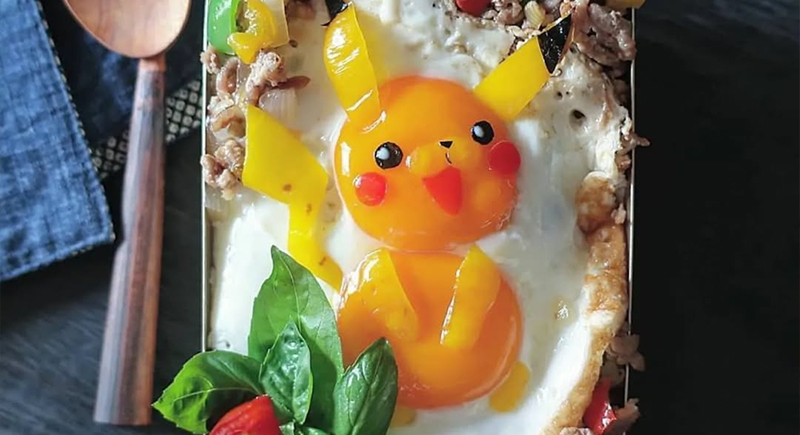
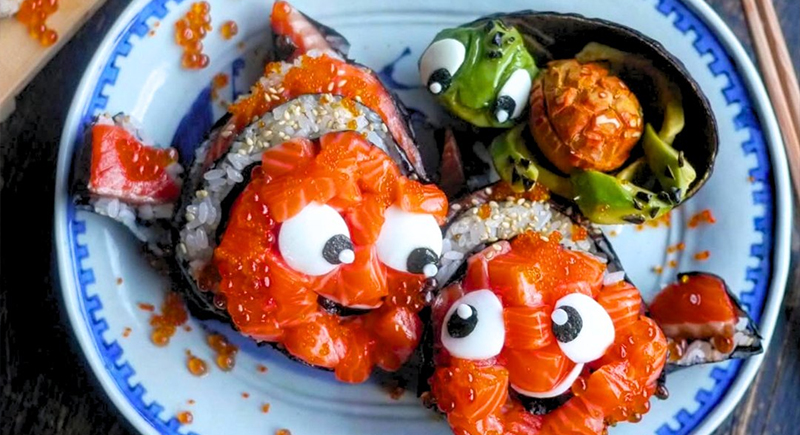
Etoni Mama transforms items like fried eggs, rice, and seaweed by cutting and arranging each piece to create familiar faces and objects. Usually, she utilizes only a single food item as the central element. For example, the egg yolk becomes a face or belly, while strips of seaweed define facial features.
Started with One Meal for Her Picky Eater
Credit: Instagram
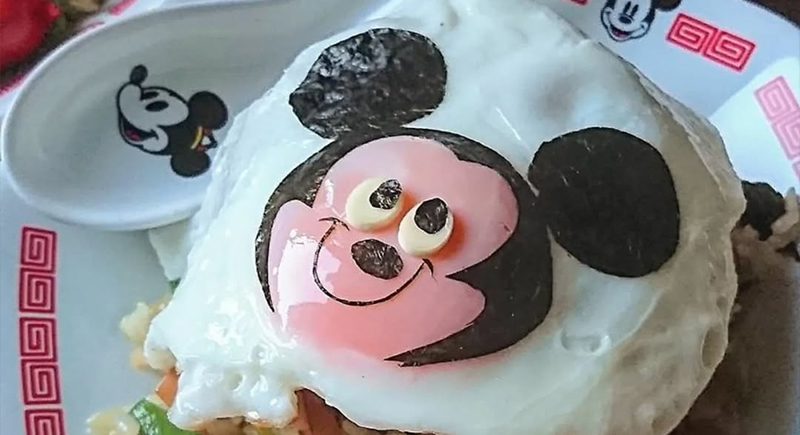
Her second daughter refused to eat certain foods, so Etoni decided to make meals more interesting. She started shaping the food into fun and recognizable figures. That first attempt encouraged her daughter to eat without complaints, and eventually, her other two children began enjoying the food as well.
The Kids Give Honest Feedback About Every Meal
Credit: Instagram
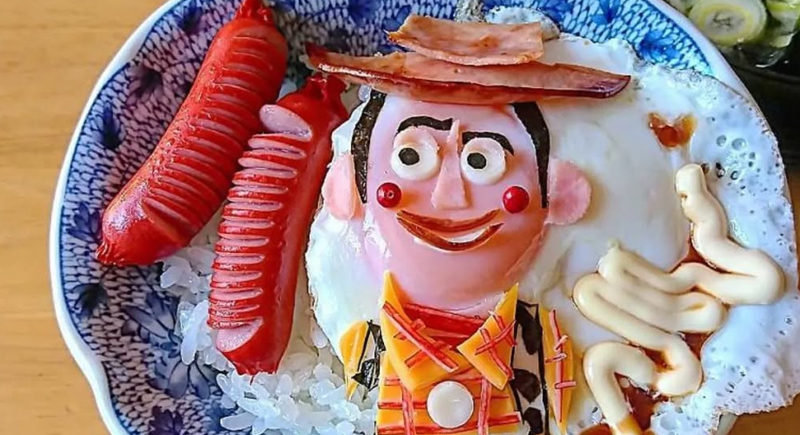
They tell her when something doesn’t look right or when it needs improvement. Their comments tend to focus on how accurate the character looks compared to the original. They might ask her to redo something or request new versions of favorites.
Develops Dishes Without Repeating Designs
Credit: Instagram
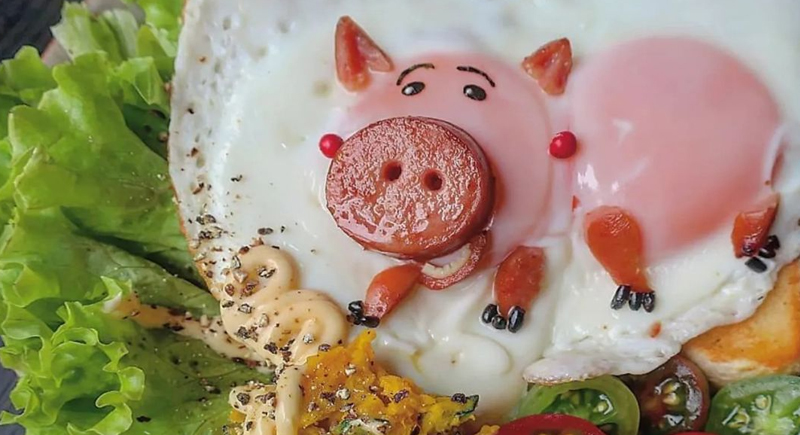
Unless her children ask for it, the Japanese mother avoids repeating the same design. She begins each idea by studying its components and considering what they resemble. A round item can suggest a cartoon face or a well-known animal, which is why the ingredients shape the final concept.
Finishes One Meal in About an Hour
Credit: Instagram
Though her schedule stays busy, Etoni sets aside time for her food creations. Every detailed meal takes around an hour to finish. That includes cooking, cutting, assembling, and adjusting each part. Time management is crucial, especially since she also works as a nursery school teacher during the day.
Learned Everything Through Personal Trial and Error
Credit: Instagram
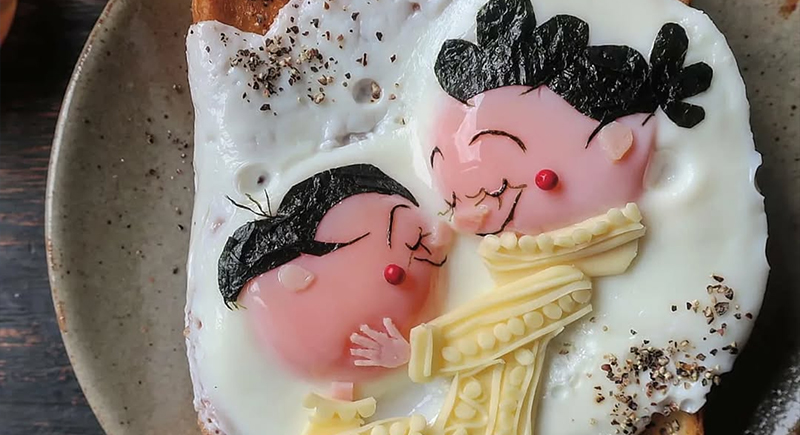
What’s surprising is that Etoni Mama never studied cooking or food styling. She taught herself how to build designs using what she had at home. Her style developed through repetition and close attention to how elements behave. For this reason, there are no templates or pre-made tools.
Not Every Dish Uses Eggs or Rice
Credit: Instagram
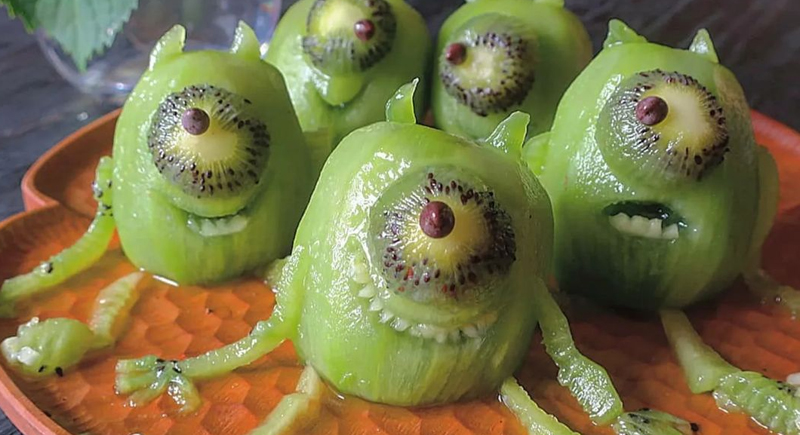
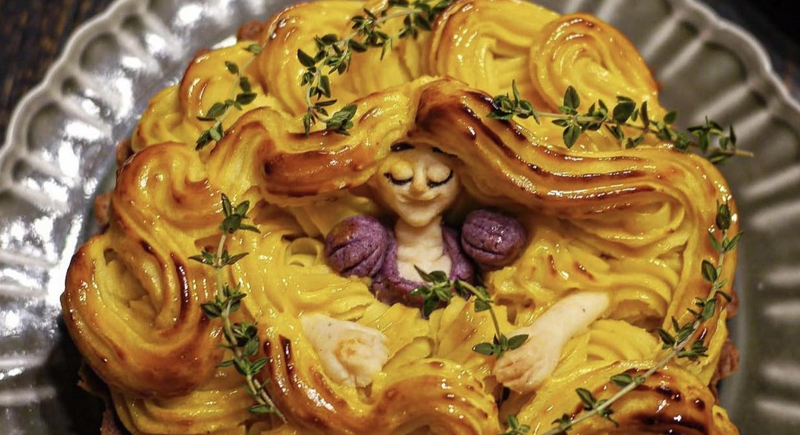
Although many of her designs include eggs, she works with a wide variety of ingredients. Kiwis became one-eyed monsters, and avocado slices helped form a well-known movie character. She also decorates cookies or shapes fruit to resemble cartoon mascots. The designs adhere to one rule: everything must remain edible and recognizable.
Published a Cookbook for Japanese Families
Credit: Instagram
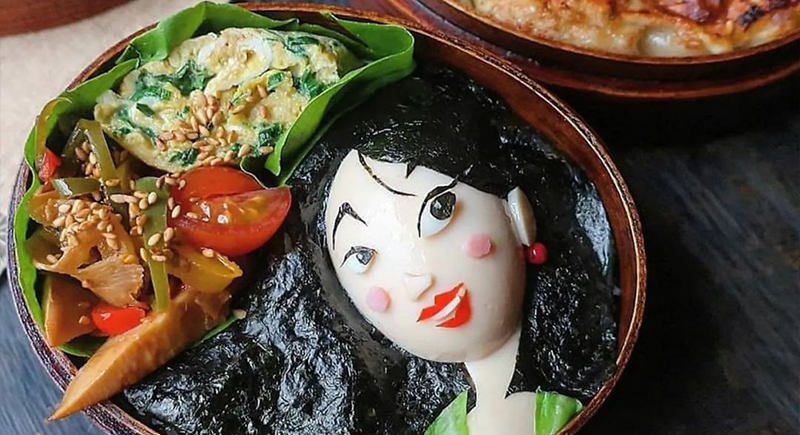
After sharing her concoctions online, the parent released a cookbook written in Japanese. The book provides ideas and straightforward instructions for others who wish to try similar tactics. She avoids complicated techniques and focuses on food that’s easy to find in stores. The book reflects her own approach: making meals that appeal to children without adding stress for anyone.
Her Work Attracted International Attention Online
Credit: Instagram
Though she began by posting photos for a small audience, her art now reaches people across many countries. The Instagram account shares regular updates and shows each new design. Media outlets have also featured her work and praised her creativity. Parents, artists, and food enthusiasts also follow her to see what she will post next.
Uses Food Art to Mark Meaningful Occasions
Credit: Instagram
One meal shows a man handing mimosa flowers to a woman, made to recognize International Women’s Day. The entire scene is built with edible items arranged into a clear narrative. This design stands out because it reflects a real-world moment and demonstrates how her food art can convey a message using simple items to express appreciation and care.