Japanese Man Accidentally Destroys His Home While Attempting to Kill a Cockroach
Seeing a cockroach dart across the floor in the middle of the night can set off a reflex in almost anyone. In Kumamoto’s Chuo Ward, a 54-year-old man followed the same instinct most of us have in that moment. He grabbed a can of insecticide and tried to chase it down.
The trouble started with how much he sprayed and how close he was to a heat source. Within a minute, the apartment erupted in a blast that shattered the balcony window and left him with minor injuries. All he wanted was to stop a stubborn bug from running around. Instead, he ended up in a story that quickly made its way across social media.
How A Simple Bug Hunt Turned Into A Blast
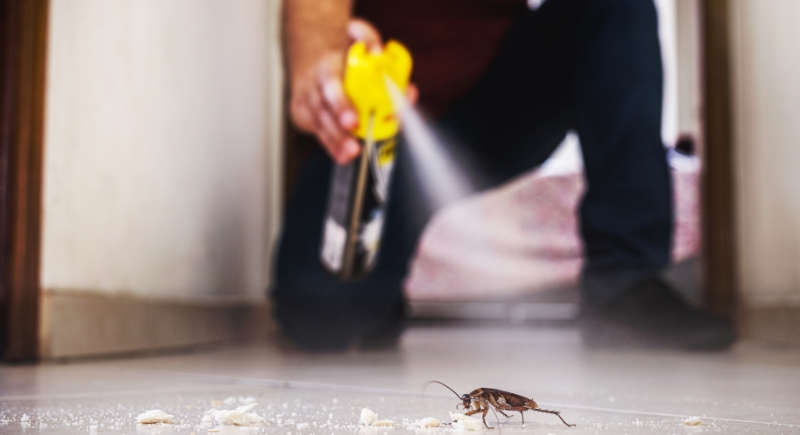
Image via Getty Images/RHJ
The man spotted the cockroach near midnight on December 10. Upset and disgusted, he sprayed a massive amount of insecticide throughout the room. Police later noticed burn marks near his kotatsu, a heated table commonly used in many homes in Japan during colder months. That heat source, combined with flammable spray in the air, created the perfect mix for combustion. The explosion didn’t collapse the building, but the force was strong enough to shatter glass and send debris outward. He was lucky to escape with only minor injuries and a shocking story to tell.
Reports from Mainichi Shimbun and other outlets noted that this was not an isolated situation. The National Consumer Affairs Center of Japan reported that it has logged several cases where insecticides ignited when sprayed near electrical outlets. Pest removal companies warned that such sprays can damage outlets and harm anyone nearby. These warnings exist for a reason. Many insecticides contain ingredients that can ignite when vapor comes into contact with sparks or heat.
Experts And The Internet Jump In
Philip Koehler, a professor of entomology at the University of Florida, explained that liquid sprays used near motors, exposed wiring, or outlets carry a risk of electrical shock. He also said pilot lights and gas flames from heaters and appliances can ignite flammable pesticide products. It turns out that stomping, trapping, or swatting might not only be more satisfying, but safer.
Once the story hit social platforms, users reacted with jokes. One person asked whether the cockroach survived. Another imagined the bug strolling into the neighbor’s place as if it owned it. Someone else commented that roaches today seem resistant to sprays and that the only way to deal with them is by stepping on them hard. The tone was light, but the lesson was obvious. Household sprays can come with hidden dangers when used without care.
Not The First Time Something Like This Happened
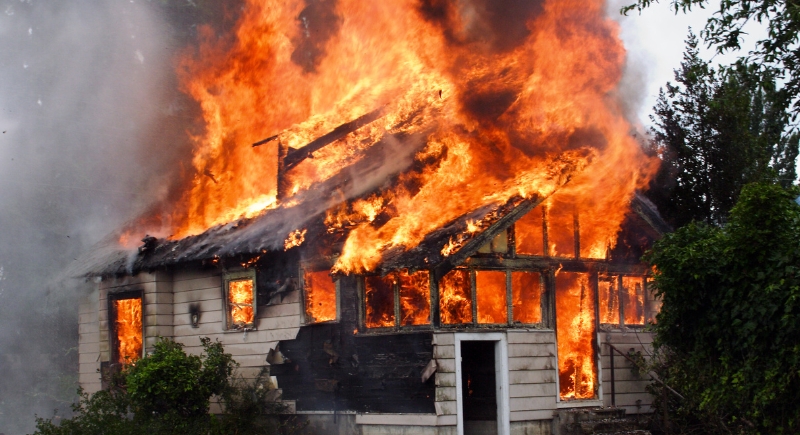
Image via Getty Images/John Rich
A case from Ohio back in 2017 involved a woman trying to kill bed bugs with rubbing alcohol. She accidentally ignited a fire while using the flammable liquid near an open flame. The blaze injured three people and left 10 residents without homes. That story resurfaced as readers compared the two situations and shook their heads at how quickly a small pest can lead to a major disaster.
This incident in Japan serves as a reminder that everyday products should be used with caution. Spraying a room might look harmless, but vapors can fill enclosed spaces. Add sparks, heat, or flames and trouble can follow. Instead of reaching for a can the next time a cockroach appears, it might be smarter to grab a shoe, take a breath, and keep the home intact.