Japan Has 10 Million Empty Homes, and They Are Giving Some Away for Free
Japan’s housing market now includes millions of empty homes, which represent roughly 14 percent of all residential properties nationwide, and some estimates suggest the share could rise above 30 percent within the next decade. Many of these houses sit unused for years because they are tied up in inheritance disputes, tax obligations, and declining demand. As the population shrinks and ages, ownership has become a financial burden for many families. That pressure has prompted some owners and local governments to adopt solutions that would have sounded unrealistic a decade ago.
Government data show that Japan now has roughly 9 to 10 million empty homes, often referred to as ‘akiya.’ The problem extends far beyond remote villages, as even major metropolitan areas like Tokyo feel its impact. Population trends explain the imbalance: Japan’s population continues to decline, and the average age is steadily increasing. Fewer children grow into homebuyers, and more properties pass to heirs who already live elsewhere and see little reason to move, renovate, or sell. The result is a slow accumulation of homes with no practical future.
Why Owners Walk Away

Image via Getty Images/freemixer
Many ‘akiya’ remain empty because holding onto them costs money. Property taxes tend to be higher on land with buildings than on cleared lots. Renovation doesn’t make financial sense because demolition costs can reach tens of thousands of dollars, especially in rural areas. A typical postwar home carries a lifespan of 20 to 30 years, and buyers place far more value on new construction.
Cultural factors also add some pressure. Homes tied to death, especially deaths that occurred alone, carry social stigma. Buyers often avoid them, even at steep discounts. Thus, over time, owners decide the simplest option is to abandon the property entirely.
When Free Still Feels Expensive

Image via Getty Images/Sorapop
The idea of free houses is eye-catching, but reality moves more slowly. Some municipalities maintain online ‘akiya’ banks that list unwanted homes at symbolic prices, sometimes for under $10,000 or at no cost. But the catch sits in the fine print. Repairs can exceed the home’s market value, and skilled carpenters trained in traditional construction are increasingly rare.
Additionally, infrastructure in rural towns may limit access to jobs, healthcare, and transportation. Local governments sometimes offer subsidies to tear structures down rather than restore them. That choice reveals how deeply depreciation is baked into the system. A house, in many cases, becomes something to erase instead of preserve.
Foreign Interest Changes the Math
Interest outside Japan has surged in recent years. A weak yen, flexible visa policies, and remote work have drawn attention to these previously unused properties. Traditional homes known as ‘kominka’ attract buyers looking for second homes, rentals, or renovation projects.
Success stories exist, but they demand patience. Buyers who treat ‘akiya’ as quick investments often misjudge the time, cost, and cultural fluency required for success. Those who succeed tend to focus on personal use or niche hospitality, not mass-scale returns. The opportunity is closer to lifestyle choice than financial shortcut.
A Market Redefined by Demographics
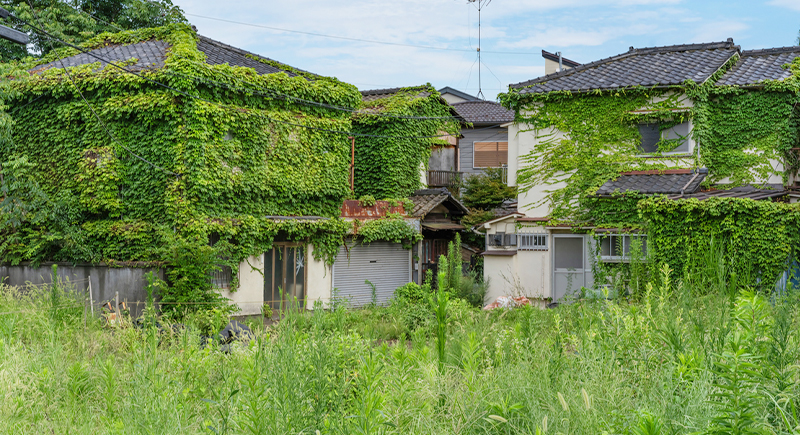
Image via iStockphoto/kuremo
Japan’s empty homes show that housing supply no longer matches population demand. Inheritance turns property into an obligation, and new construction still takes precedence over reuse. Until those incentives change, abandoned homes will continue to multiply.
The numbers make one thing clear: this is not a temporary imbalance or a regional oddity. It is a structural reset of how housing functions in a shrinking society. Some homes will find new life through foreign buyers and local revival efforts. But many more might remain empty, waiting for a future that keeps moving further away.