James Cameron Movies Ranked From Worst to Best
James Cameron hasn’t directed many films, but nearly all of them have changed how movies are made or, at the very least, how they’re expected to look. He’s worked across genres, from science fiction to romance to documentary, often pushing the limits of what technology can do on screen.
Cameron treats filmmaking like an experiment with high emotional stakes. This list ranks his feature films based on how well they hold together, how much they advanced the craft, and how deeply they still resonate today.
10. Piranha II: The Spawning (1982)
Credit: IMDb
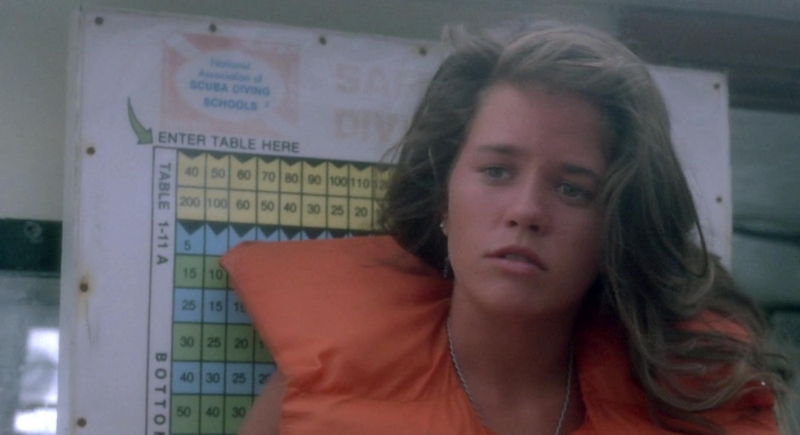
Cameron’s first directing credit exists mostly as a technical curiosity. He was removed from the project before completion, and it shows. The film leans on gimmicks rather than tension, with airborne piranhas and uneven pacing. Its main value lies in showing early traces of his interest in underwater environments and mechanical spectacle.
9. True Lies (1994)

Credit: IMDb
This glossy action comedy marked Cameron’s first collaboration with Arnold Schwarzenegger outside science fiction. The set pieces are elaborate, but the tone is inconsistent and shifts between farce and spy thriller. Jamie Lee Curtis delivers a strong performance, yet the film lacks the emotional grounding that defines Cameron’s strongest work.
8. Ghosts of the Abyss / Aliens of the Deep (2003–2005)
Credit: IMDb
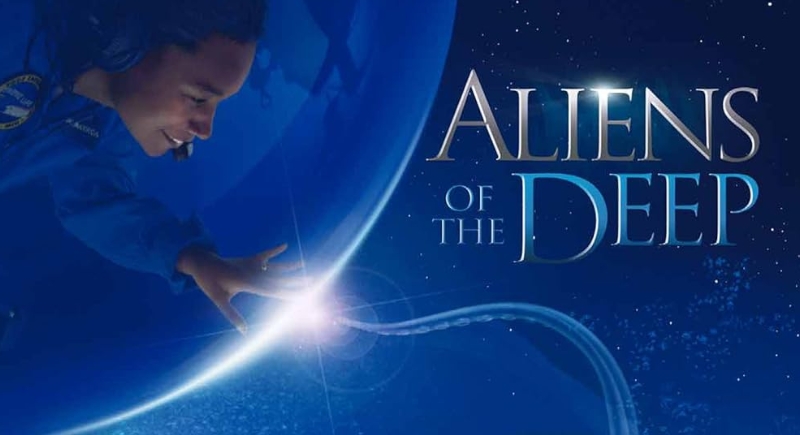
These undersea documentaries are more about pushing camera technology than telling stories. Using early 3D and deep-sea submersibles, Cameron explores wrecks and marine ecosystems. They’re visually impressive but structurally loose, acting more like cinematic experiments that laid the groundwork for the technical advances used in Avatar.
7. Avatar (2009)
Credit: IMDb
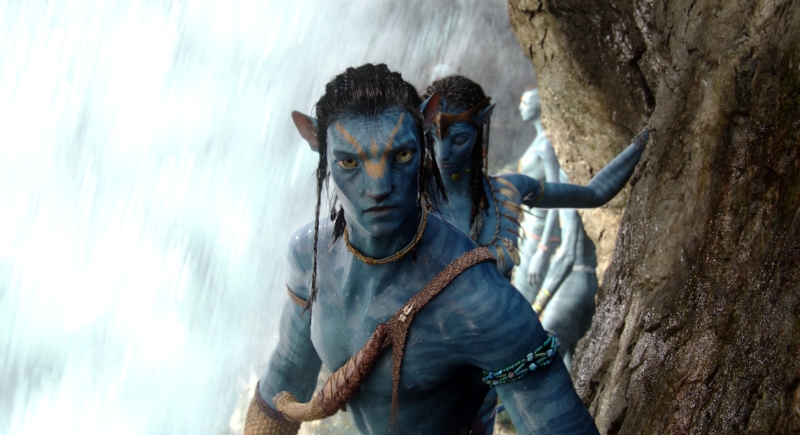
Avatar marked a turning point in modern filmmaking. It pushed performance capture and 3D cinematography into the mainstream and reshaped how big-budget films are made. The world-building is expansive and carefully imagined, even if the story leans on familiar ideas about imperialism and environmental loss. More than a decade later, its influence on visual storytelling and theatrical spectacle is still hard to match.
6. The Abyss (1989)
Credit: IMDb
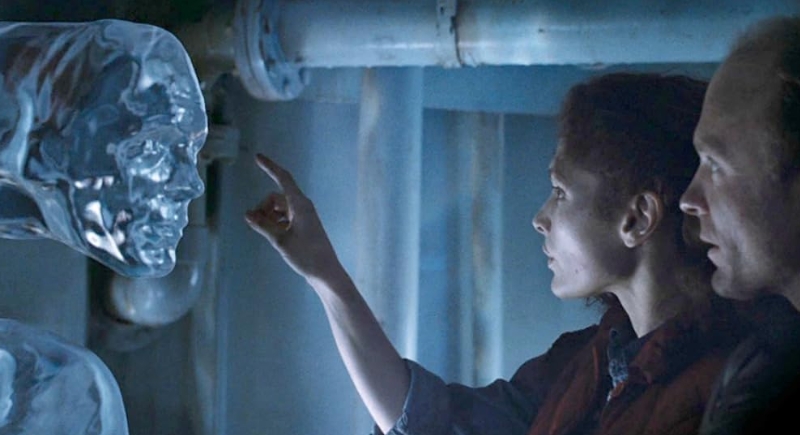
The Abyss was notoriously difficult to make since it was shot mainly in a repurposed nuclear power plant filled with water. But it showed what Cameron could do with both suspense and technology. The film mixes psychological pressure with science fiction, and its water tentacle—an early CGI creation—hinted at a digital future for effects.
5. Terminator 2: Judgment Day (1991)
Credit: IMDb
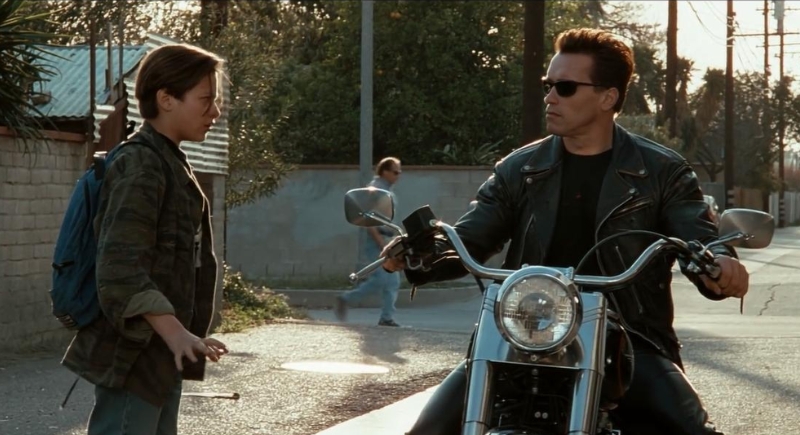
Cameron expanded his original concept into a larger, more emotional story. The liquid-metal T‑1000 set a new standard for visual effects, while Linda Hamilton’s transformation gave the film its emotional core. Though more polished than its predecessor, it trades some intensity for spectacle.
4. Avatar: Fire and Ash (2025)

Credit: IMDb
The newest chapter shifts the focus inward. Instead of a simple invasion story, Fire and Ash digs into friction among the Na’vi themselves. Expanding the world without repeating past beats, it adds complexity through new conflicts, higher emotional stakes, and a darker tone that moves the saga into more turbulent territory.
3. Titanic (1997)

Credit: IMDb
Cameron’s historical epic combined meticulous research with emotional storytelling. Built on massive sets and early digital effects, the film balanced spectacle with character-driven drama. Its cultural reach was enormous, winning eleven Academy Awards and remaining one of the most commercially successful films ever released.
2. Avatar: The Way of Water (2022)
Credit: IMDb
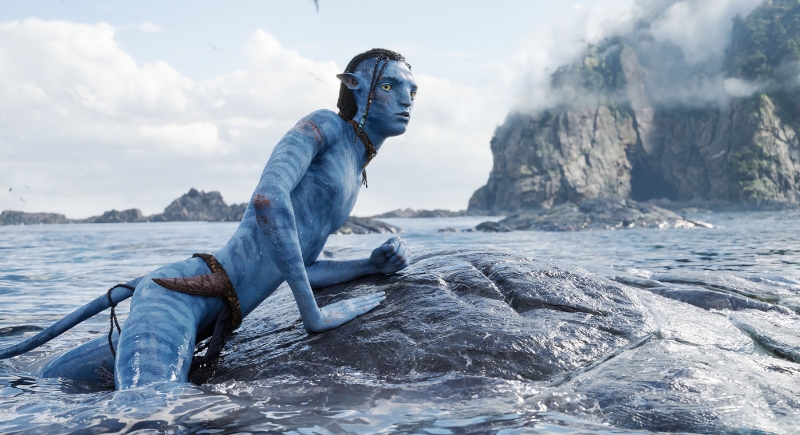
This sequel favored emotional restraint over explosive display. It was built with underwater performance capture and years of planning. Family bonds and environmental themes shaped the story, while the visual effects refined what the original started. The oceanic world introduced here expanded Pandora without overwhelming it, helping the film land with lasting impact.
1. The Terminator (1984)
Credit: IMDb
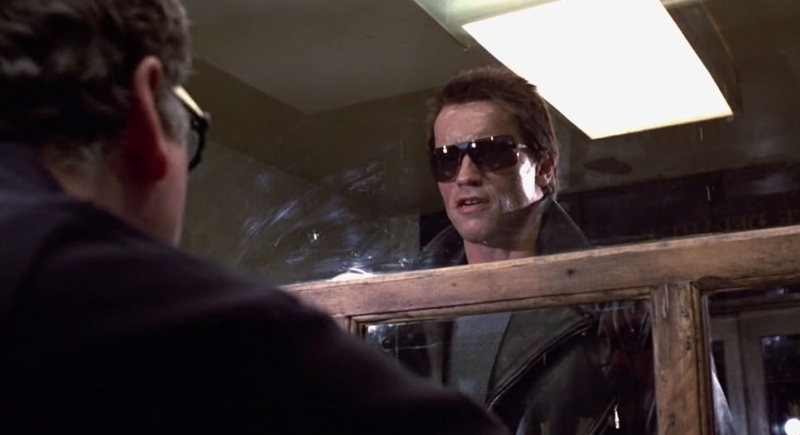
Cameron’s leanest, most relentless film still holds up for its clarity and intensity. Working with a limited budget, he created a nightmare chase story powered by smart pacing and a now-iconic cyborg villain. Linda Hamilton gave the film its humanity, and the vision of AI-run futures felt strikingly ahead of its time.