Is Netflix Telling Writers to Dumb Down Shows for Distracted Viewers?
Some reports about Netflix’s production process say writers are occasionally asked to clarify dialogue. Instead of letting a scene speak entirely through visuals, a character might explain what just happened. The thinking is simple: if someone checks their phone and looks back up, they can still follow the story.
Inside programming meetings, the term “second screen” comes up often. It describes viewers who split their attention between the show and their phone. Insiders say reality can shape pacing, dialogue, and the pace of key moments. It raises a practical question: how much everyday distraction influences what ends up on screen.
What Hollywood Voices Are Saying
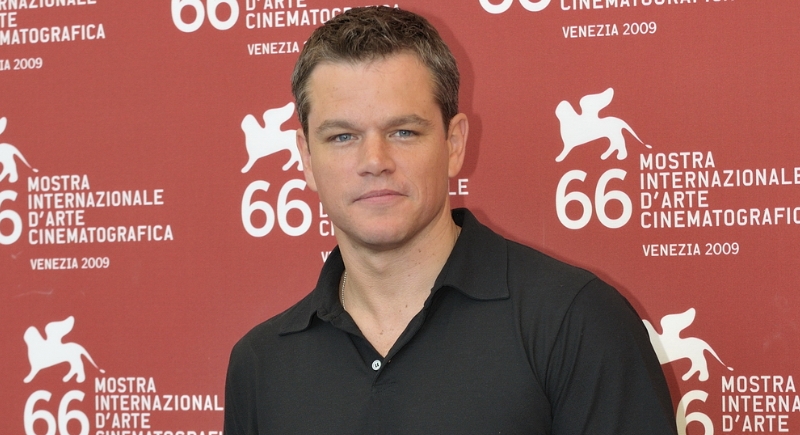
Image via Wikimedia Commons/Nicolas Genin
Matt Damon has spoken candidly about how streaming has changed production conversations, especially at companies like Netflix. While promoting a project with Ben Affleck, he shared that studios sometimes want a major action sequence near the start of a film. In the past, big action movies often built toward a final-act payoff. Now, there can be pressure to deliver a standout moment within the first few minutes to keep viewers engaged.
He also mentioned that some scripts restate important plot points in dialogue. The idea is to make sure viewers can follow the story even if their attention drifts. Jameela Jamil has voiced similar concerns about streaming-era writing. She has said writers can feel pushed to simplify plots for audiences who scroll on their phones while watching. That approach can result in characters explaining their feelings and motives more directly than before.
Ben Affleck has offered a different perspective, noting that complex Netflix series still find large audiences. His point suggests the industry is still figuring out how much distraction really shapes what gets made.
Not Every Creator Sees It The Same Way
Some writers working on Netflix projects say they have never received notes asking them to simplify storytelling. Many point out that Netflix is huge, with multiple creative teams operating differently. One project might get detailed pacing feedback, while another gets full creative freedom.
There is also a historical context worth noting. Early television often used heavy dialogue explanation because audiences multitasked. Prestige TV later shifted toward layered storytelling that demanded full attention. Netflix is in a modern era where both styles exist simultaneously.
Some creators worry about a future where every Netflix show aims to be easy background entertainment. Others believe Netflix can support both casual viewing shows and complex storytelling at the same time.
The Business Reality Behind These Decisions
Image via Pexels/cottonbro studio
Netflix operates in brutal streaming competition. Ad-supported tiers attract millions of new subscribers. More viewing minutes directly connect to ad revenue performance and platform retention.
They still fund prestige-level shows that win awards and drive cultural conversation. That suggests that they are balancing two strategies at once. One focuses on wide audience retention, while the other focuses on high-quality storytelling that builds brand prestige.
Right now, Netflix is at the center of a massive change in entertainment. Viewer habits, business pressure, and creative ambition keep colliding. Writers, actors, and executives all seem aware that audience attention looks very different today than it did even ten years ago. The bigger question hanging over them is how far storytelling should change to match how people watch content now.