Most Intimate Leonard Cohen Poems for a Night In
Leonard Cohen was a Canadian poet, novelist, and songwriter whose writing often explored love, longing, faith, and desire. Before becoming famous as a musician, he built his reputation through poetry collections that combined intimacy with emotional restraint. His poems rely on suggestion, vulnerability, and carefully chosen language. Here are a few pieces that draw readers in.
Suzanne
Credit: Wikipedia
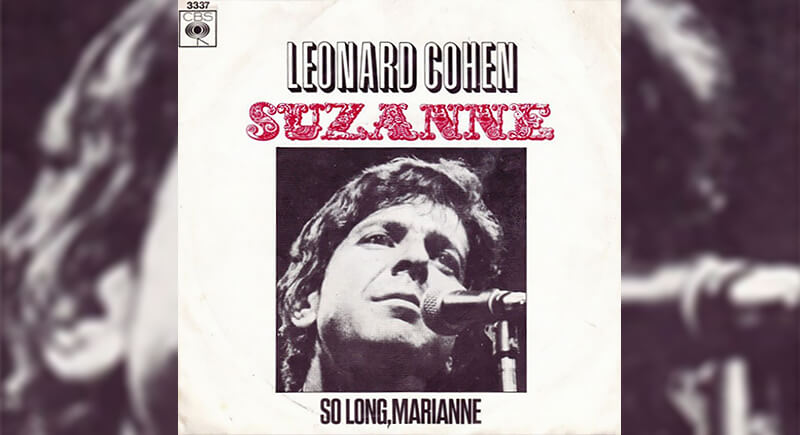
In Suzanne, the narrator describes his relationship with a woman named Suzanne. He visits her place near the river. She serves him tea and oranges, and they sit together and talk. As they spend time together, he feels increasingly drawn to her. The line about touching her body “with your mind” defines the poem’s approach.
Dance Me to the End of Love
Credit: ebay
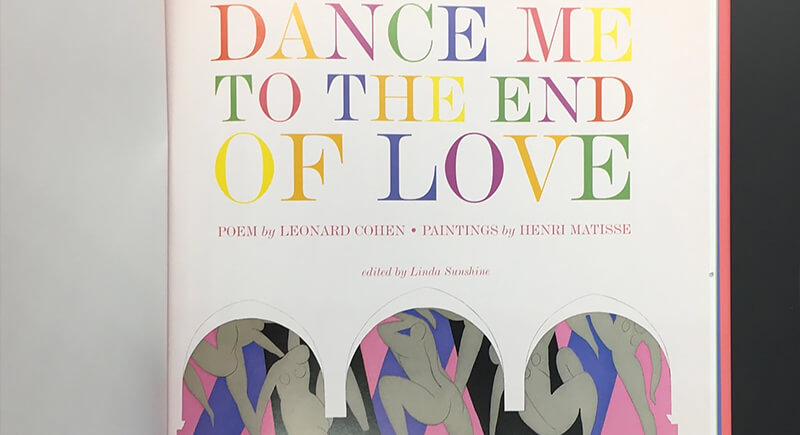
This poem uses dance as a sustained metaphor for romantic and physical union. The repeated title line controls the rhythm and reinforces continuity. The speaker asks to be led, lifted, and touched. References to wedding, shelter, and exposure suggest commitment alongside vulnerability.
Hey, That’s No Way to Say Goodbye

Credit: ebay
Cohen writes about two people parting without hostility. He recalls shared mornings and physical closeness, then acknowledges that distance has entered the relationship. The shoreline image explains that change is natural and ongoing. The speaker does not accuse or plead. He recognizes that the relationship cannot continue as it was.
Waiting for the Miracle
Credit: ebay
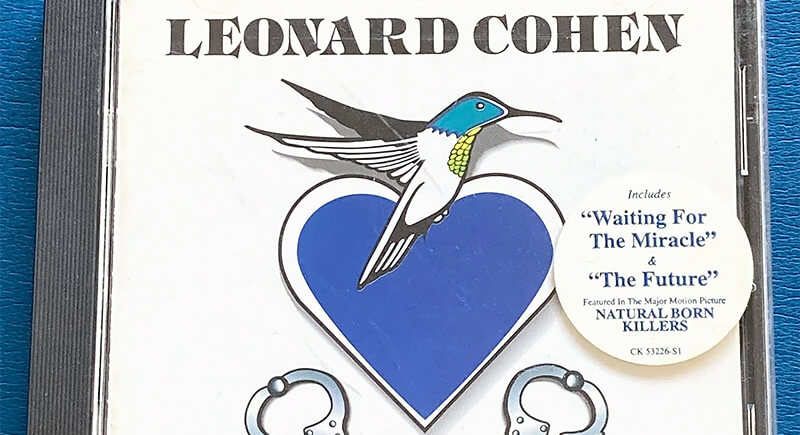
The speaker admits he delayed commitment while waiting for something transformative. Even as invitations came, he ignored them. His longing appears alongside self-criticism. A dream sequence then introduces partial nudity and light, which adds desire to the imagination. When he suggests doing something reckless, it reflects his frustration and hesitation.
Bird on the Wire
Credit: ebay
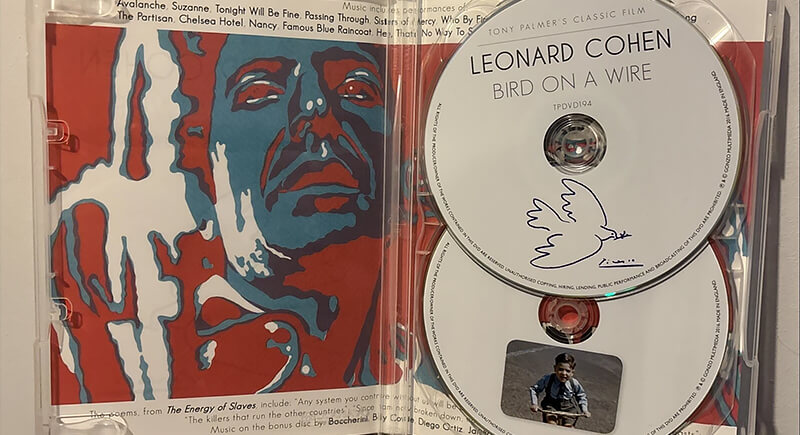
In this poem, the speaker compares himself to a bird, a drunk, a worm, and a knight. Each image emphasizes fragility or contradiction. He apologizes for being unkind or untrue and admits he hurt those who reached toward him. Two strangers offer opposite advice about asking for more or less. The refrain repeats his attempt to be free and frames love as effort.
Hallelujah

Credit: ebay
“Hallelujah” brings biblical stories into direct contact with romantic and sexual relationships. References to David and Samson frame desire as powerful and destabilizing. The repeated chorus shifts tone with each verse. The speaker admits confusion, doubt, and failure while continuing to speak in praise. The poem treats sacred and broken experiences as equally valid expressions of love.
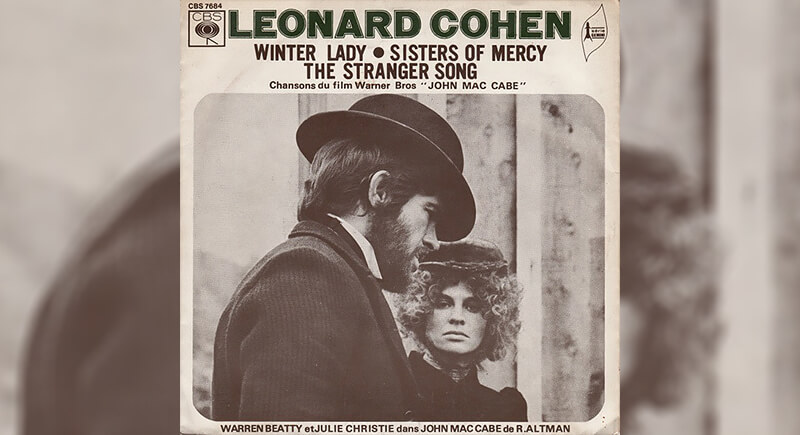
Sisters of Mercy
Credit: Genius
This poem describes two women who comfort the speaker during a period of emotional strain. They sit beside him and offer reassurance in a non-romantic way. The poem defines intimacy as relief and understanding, and the speaker leaves strengthened by their presence.
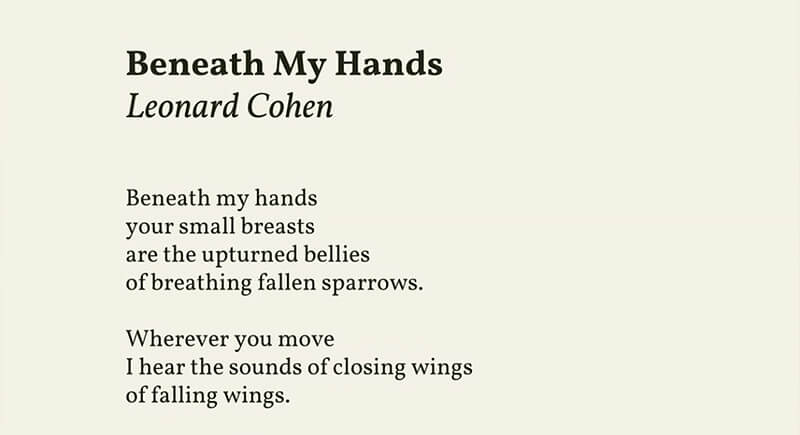
Beneath My Hand
Credit: X
The speaker responds to a lover who questions her beauty. He describes her body carefully and directly to counter that doubt. Even his touch functions as an affirmation. The poem uses traditional romantic language but remains specific and restrained.
A Thousand Kisses Deep

Credit: ebay
This poem addresses surrender to attraction despite the accompanying risk. The speaker recognizes emotional exposure and proceeds anyway. The imagery suggests immersion and acceptance. He acknowledges that desire can damage and sustain at once. The poem presents vulnerability as a conscious choice.
Tower of Song

Credit: ebay
Tower of Song reflects on aging, creative labor, and persistent longing. Romantic feeling appears alongside professional struggle. The speaker addresses love with humor and fatigue. Desire remains present but measured.