Top 10 Times the Internet Successfully Solved Crimes
The internet has a long record of bad decisions and questionable group chats. It also has a lesser-known history of collective problem-solving. When everyday people share screenshots, timestamps, and observations, small details can evolve into valuable insights. These moments demonstrate how digital spaces have helped advance stalled cases through persistence.
Luka Magnotta Tracked Through Online Clues
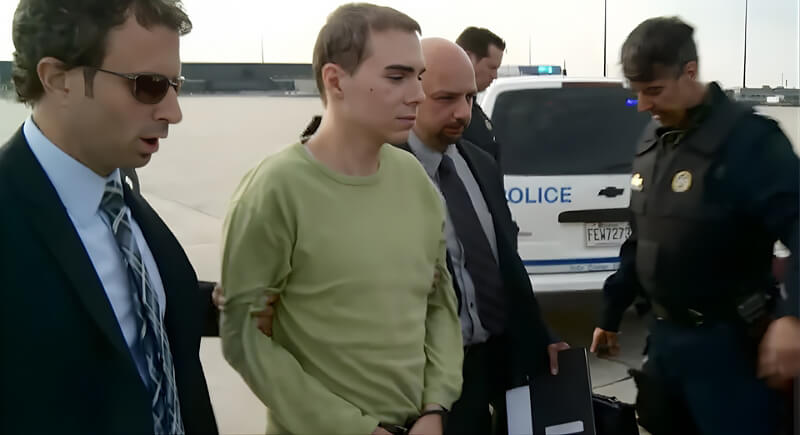
Credit: Youtube
Online forums noticed disturbing animal videos in 2010 and began cataloging every visible clue. Wall outlets, bedding patterns, and usernames were compared across platforms. The trail pointed to Luka Magnotta, whose own posts often fed the search. When a later event surfaced online, the archived findings helped investigators move more quickly.
A Stolen Laptop Found by Twitter
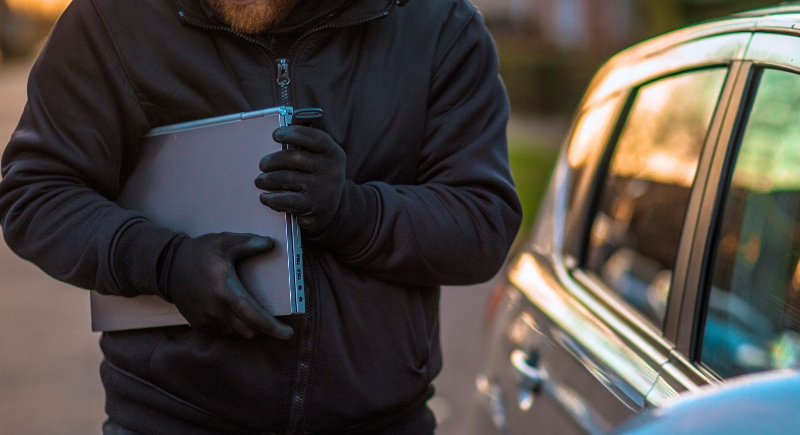
Credit: Getty Images
In 2011, Canadian consultant Sean Power lost a laptop during travel through New York. Tracking software activated the camera and captured screenshots once the device reappeared online. Images showed the user signing into Skype with a real name. Followers traced the location to a Manhattan restaurant and recovered the bag without the authorities intervening.
Auto Enthusiasts Solve a Virginia Hit-and-Run

Credit: Getty Images
After a fatal roadway incident in Virginia left little physical evidence, investigators posted a photo of a broken metal fragment online. Auto enthusiasts on Jalopnik examined the shape within hours and narrowed it to a specific Ford F-150 year and trim. That reduced the search and led officers to two suspects.
Philadelphia Assault Identified Through Social Media

Credit: Canva
Surveillance footage of an assault in Philadelphia was circulated publicly after authorities requested assistance. Social media users compared faces with recent check-ins and tagged photos, until a restaurant image became the key reference point. Tips were passed to detectives, who confirmed identities and credited online participants for helping to accelerate a complex investigation.
Web Forums Expose the Truth Behind a Lottery Disappearance
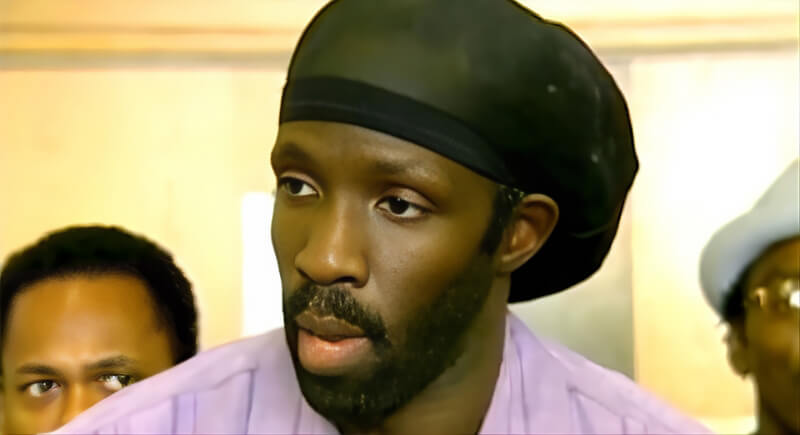
Credit: Youtube
After Florida lottery winner Abraham Shakespeare disappeared, users on online forums began closely examining his financial relationships, particularly with a woman who had been managing his money. Suspicion grew when an anonymous account appeared repeatedly defending her actions. Forum moderators traced the account’s IP address to her location, reinforcing concerns already raised by investigators. Shakespeare’s remains were later discovered, and the woman was charged with murder, robbery, and theft in connection with his death.
A Clay Reconstruction Solves Gregory May’s Case

Credit: Youtube
Authorities became interested in the case after a bucket filled with concrete and containing human remains was discovered near a truck stop. The way the body had been concealed indicated deliberate homicide, but investigators were unable to identify the victim. Progress came when a clay facial reconstruction of the victim was shared publicly. Web researcher Ellen Leach examined the image and noticed that the facial proportions, hairline, and overall features closely matched those of Gregory May, a missing antiques dealer. Once the remains were formally identified as May’s, investigators were able to reopen the case. The identification ultimately helped secure a conviction after decades without answers.
Chatroom Patterns Reveal a Dangerous Manipulator

Credit: pexels
An online counselor noticed alarming chatroom behavior tied to repeated self-harm pacts. After digging deeper, she uncovered multiple aliases linked to one Minnesota man, William Francis Melchert-Dinkel. Screenshots, timestamps, and forum logs documented patterns authorities had overlooked. A homemade sting traced his IP address. The evidence shifted official interest and resulted in charges.
Grateful Doe Finally Gets His Name Back
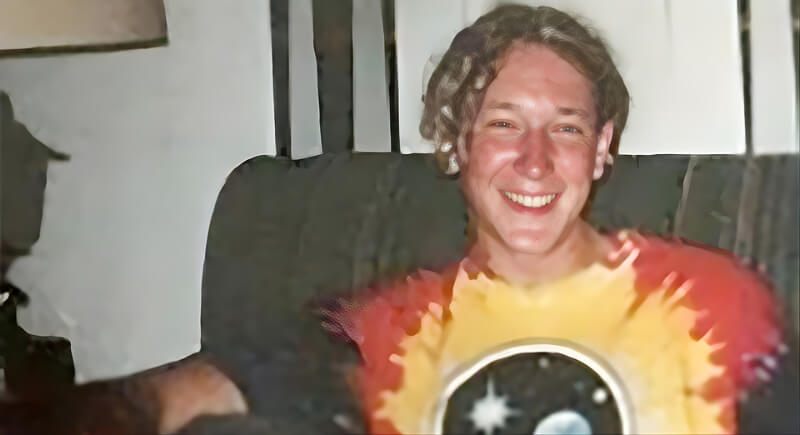
Credit: Wikipedia
A nameless victim known as Grateful Doe puzzled investigators after a fatal crash in the 1990s. Years later, fans built online spaces around the clues he carried, including concert tickets and a handwritten note. Photo reconstructions circulated widely. A former roommate recognized him, which led to DNA confirmation that identified Jason Callahan.
A Stabilized Video Changes a Courtroom Narrative

Credit: Canva
A bystander’s shaky phone video captured a police encounter in South Carolina but lacked clarity. A Canadian film student stabilized the footage frame by frame and posted the result online. The improved sequence clarified movements and timing. Once shared widely, it influenced public discussion and became key evidence reviewed by jurors.
A Trojan Program Uncovers Hidden Activity

Credit: Canva
In the late 1990s, Brad Willman planted a hidden program inside forums frequented by suspected predators. The software granted him access to thousands of computers and documented activity. He passed verified material to authorities, supporting several official inquiries. The effort sparked debate about ethics, yet still contributed to real-world accountability.