Grocery Items Your Mom Bought Every Single Week That Are Nearly Impossible to Find in 2026
Grocery stores once carried the same familiar products year after year with barely any changes. Your mom knew exactly where everything was, and certain snacks ended up in the cart almost automatically during weekly shopping trips. By 2026, many of those products either disappeared completely or became frustratingly difficult to track down.
When companies cut product lines, grocery chains reorganize their shelf space. Newer, health-focused brands are now crowding out older staples in stores. Former grocery regulars survive mainly through resale websites and nostalgia threads.
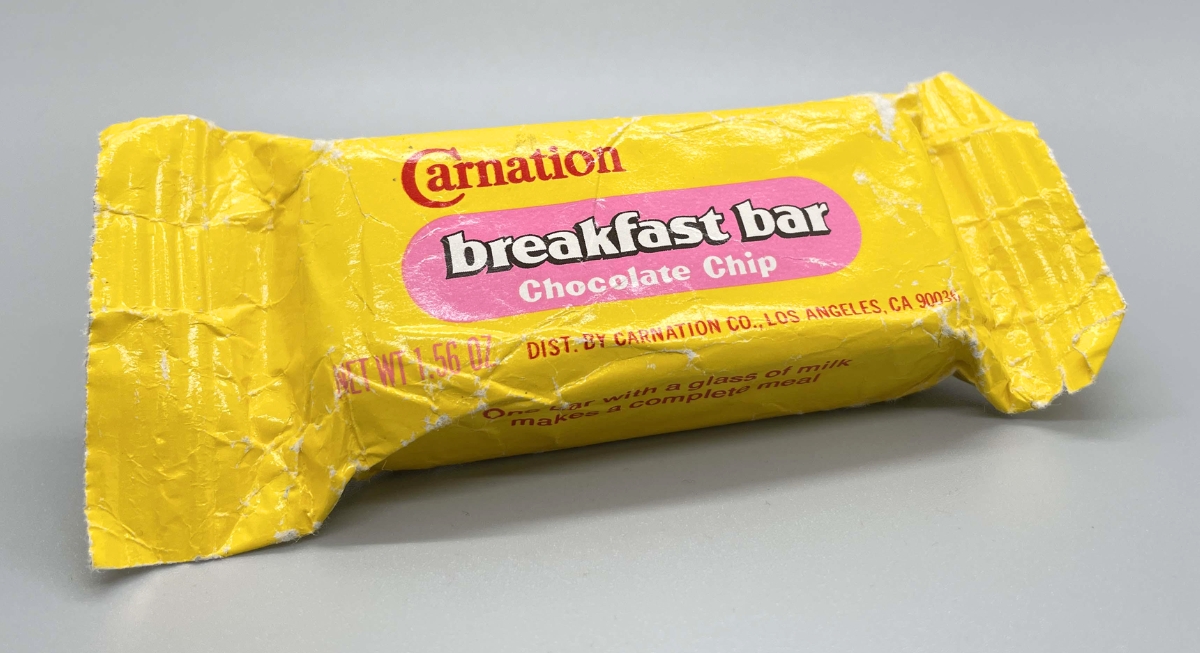
Carnation Breakfast Bars
Credit: Reddit
School mornings were chaotic during the 1980s and 1990s, and Carnation Breakfast Bars made things easier for busy parents already running late. Kids ate them in cars, during homeroom, or halfway through first period after missing breakfast. The bars tasted closer to candy and toaster pastries. Protein bars, keto snacks, meal replacements, and fitness-branded products gradually replaced them in breakfast sections in many supermarkets.
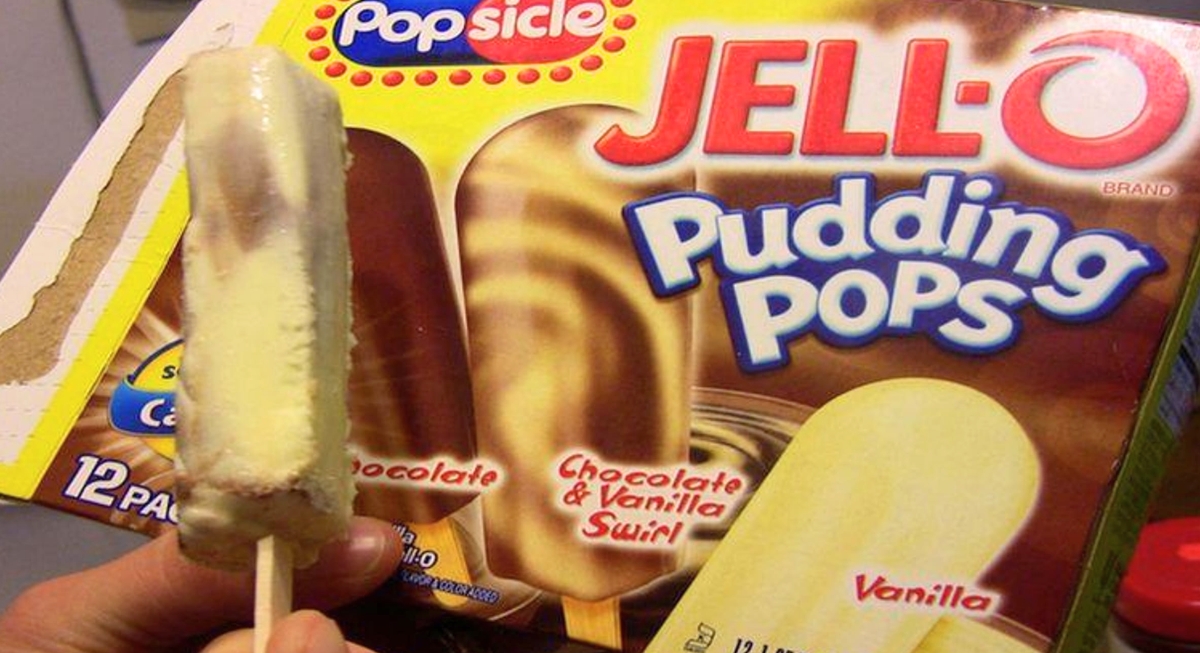
Jell-O Pudding Pops
Credit: Reddit
Almost every grocery freezer carried Jell-O Pudding Pops at one point. Parents grabbed extra boxes during the summer. The original pops had a texture somewhere between frozen pudding and soft ice cream. It made homemade versions taste noticeably different afterward.
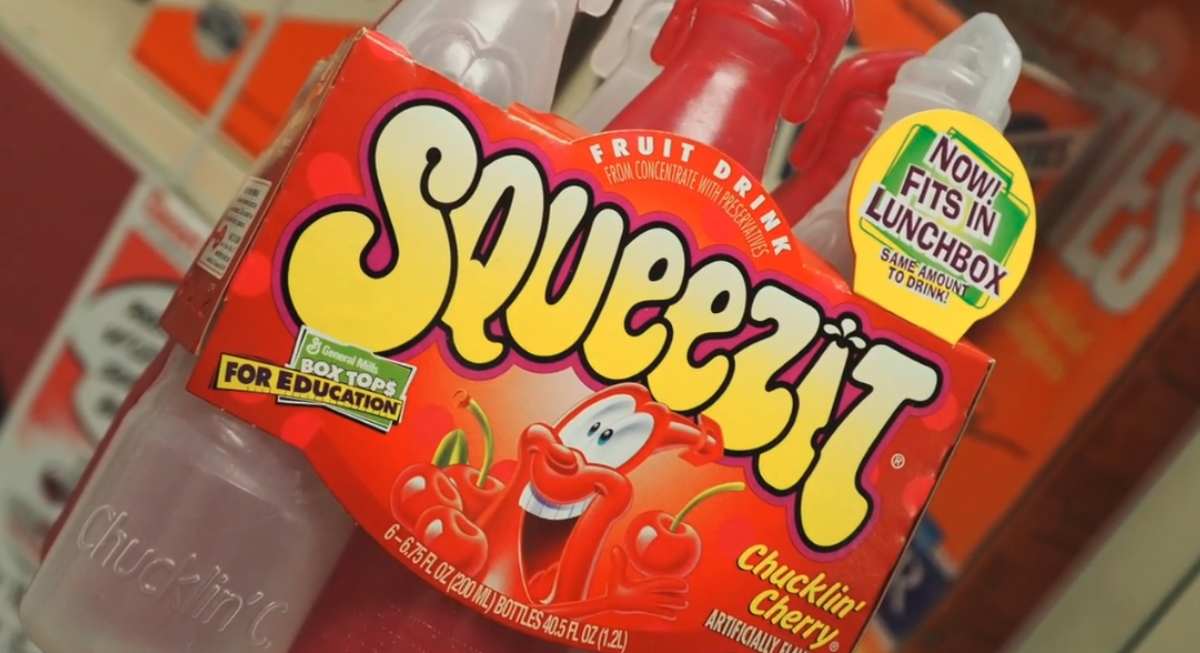
Squeezit
Credit: Youtube
Squeezit’s bright colors and twisted plastic bottle tops were kid bait inside grocery aisles. The drinks looked more like toys than juice containers. Prices were low, and the portable bottles were packed neatly into lunchboxes, coolers, and sports bags. Cooler sections later filled with probiotic drinks, flavored water, sports beverages, and low-sugar juice brands marketed around wellness and hydration.
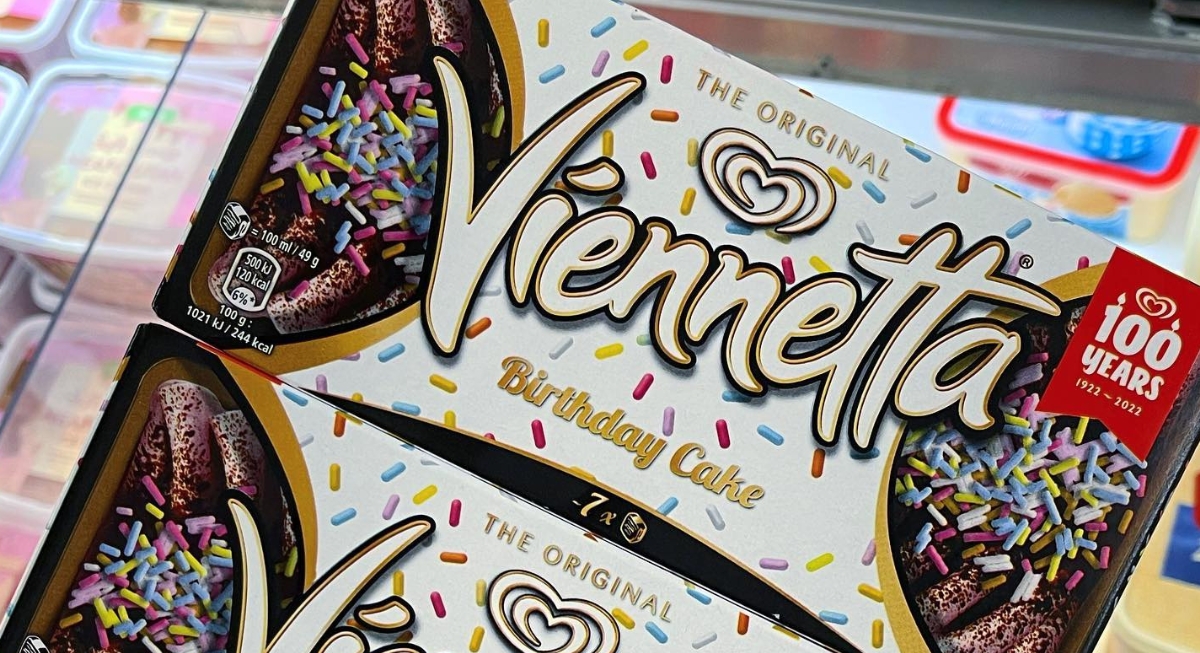
Viennetta
Credit: Instagram
Nothing else in the freezer aisle looked remotely like Viennetta during the 1990s. The thin chocolate layers running through the ice cream cake made the dessert look dramatically fancier than the average grocery-store treat. Families brought it home during birthdays, holiday dinners, and weekends when visiting relatives. Many American grocery chains later removed it. It was relaunched a few times, but distribution was inconsistent.
Tab
Credit: Getty Images
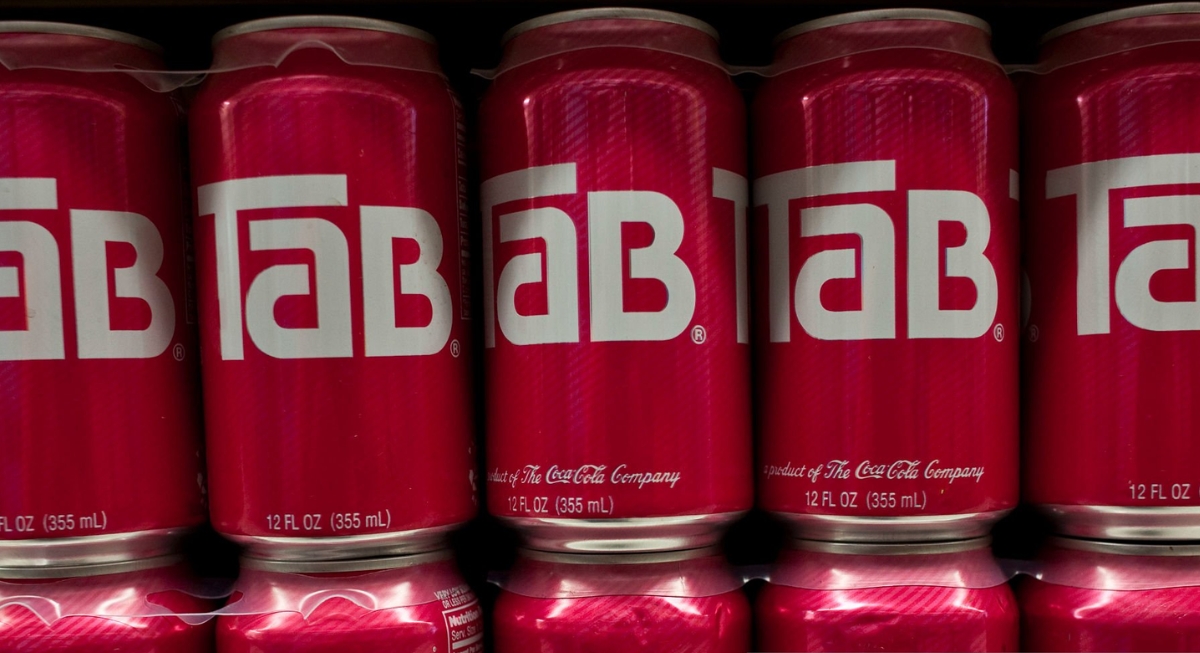
Coca-Cola continued producing Tab even after newer diet sodas dominated supermarkets across the country. Shoppers who rarely switched soda brands kept buying it week after week, which helped the drink survive much longer than many expected. But availability shrank year by year until finding it became unusually difficult outside select stores. Coca-Cola officially discontinued the product in 2020. Unopened Tab cans are now collector items.
Flavor Aid
Credit: Wikimedia Commons
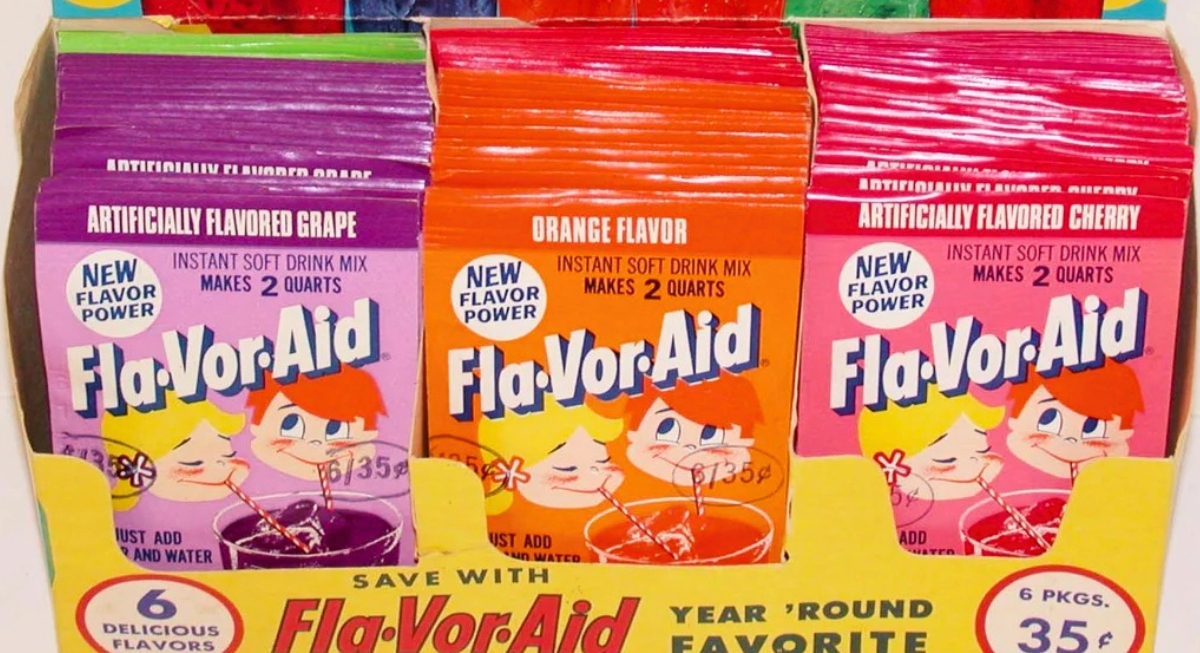
Tiny Flavor Aid packets once covered grocery shelves because they cost almost nothing and lasted for a long time. Parents bought multiple flavors at once for birthday parties, cookouts, and hot afternoons. Shelf space gradually moved toward probiotic sodas, electrolyte mixes, flavored sparkling water, and wellness beverages. Some customers honestly think the brand disappeared years ago. It is still available online, just harder to locate in grocery stores.
Five Alive
Credit: Reddit
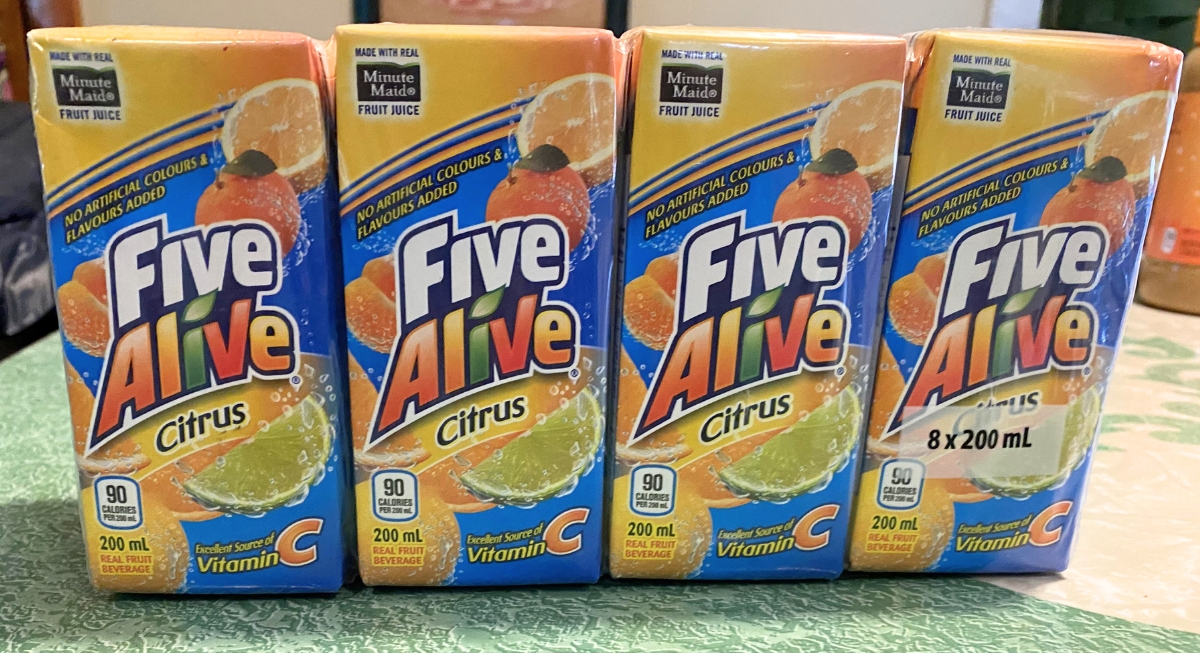
Five Alive was common in refrigerators during the 1990s and early 2000s. It was a standard grocery purchase for many families, alongside cereal, milk, and sandwich bread. School lunches, quick breakfasts, and backyard cookouts regularly included giant pitchers of Five Alive beside paper plates and sandwich trays. Then came energy drinks, flavored water, and newer juice brands promising extra vitamins. The drink remains available through specialty distributors and some international markets.
Campbell’s Pepper Pot Soup
Credit: flickr
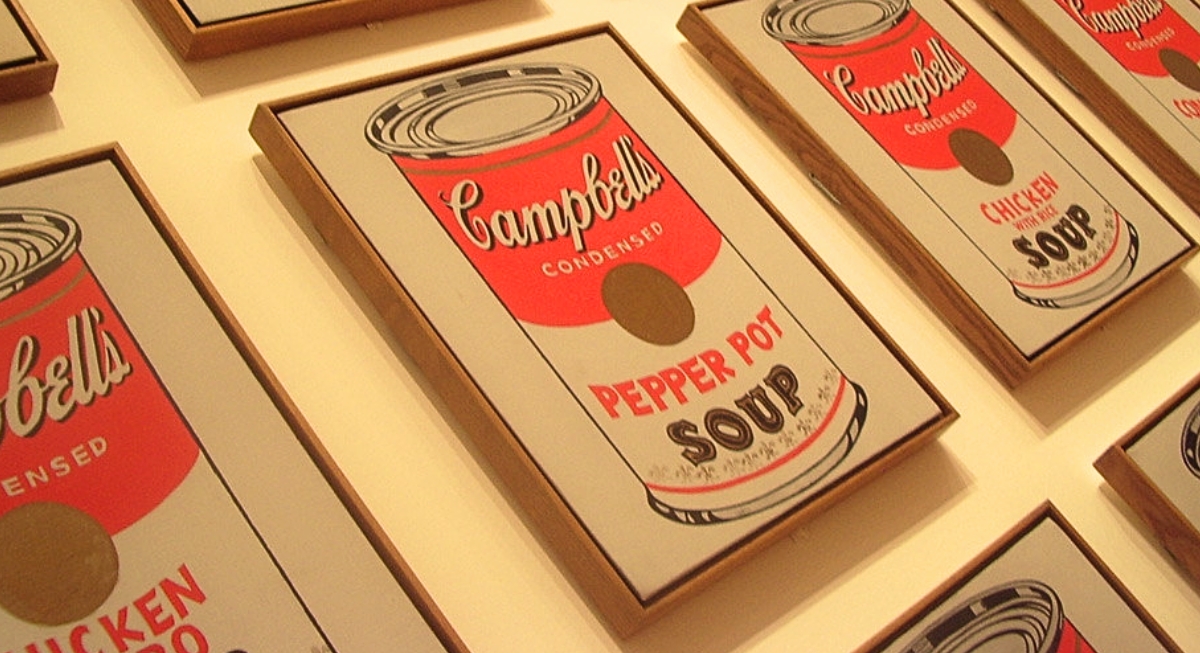
Many shoppers assumed Campbell’s Pepper Pot Soup would always have a place beside tomato soup and chicken noodle in grocery aisles. Families in parts of the Northeast have been buying Pepper Pot Soup across multiple generations without changing brands. Campbell’s eventually discontinued the product after sales dropped. People continue to post photos of old Pepper Pot Soup cans and ask Campbell’s to restore the product years later.
Whatchamacallit
Credit: Facebook
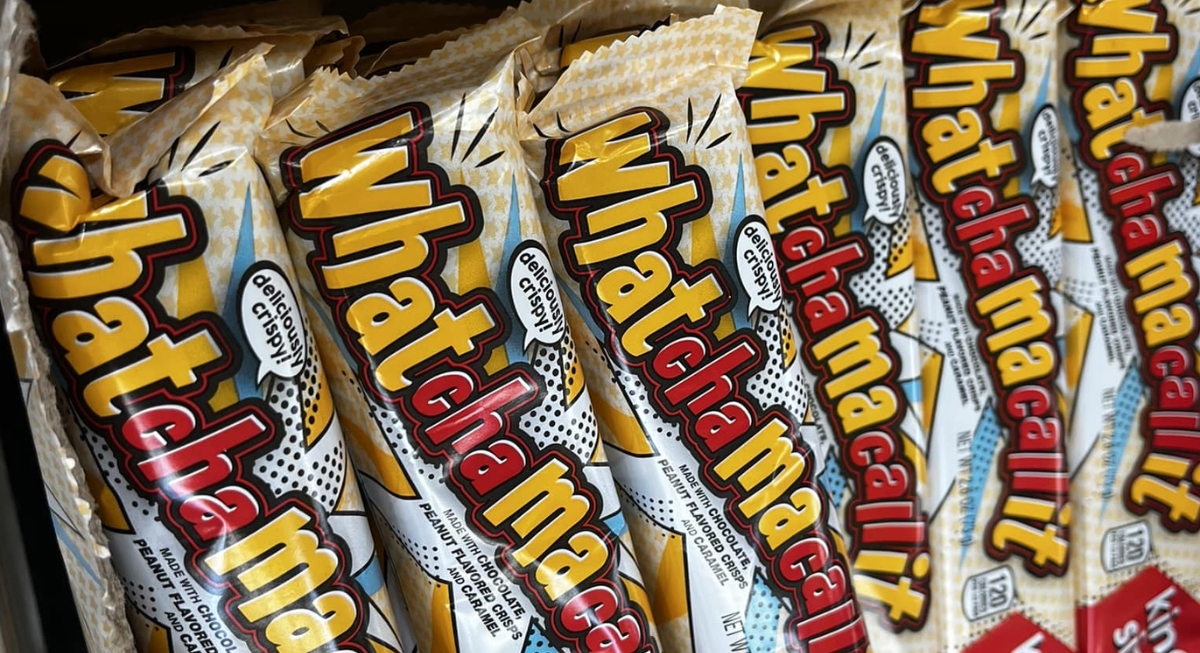
Checkout lanes kept Whatchamacallit bars visible for years, even as Snickers and Reese’s gained popularity. The peanut-flavored crisps, caramel, and chocolate combination built an unusually loyal customer base over time. Hershey never officially discontinued the candy bar, but you may need to check multiple stores before finding it.
Frozen TV dinners
Credit: Wikimedia Commons
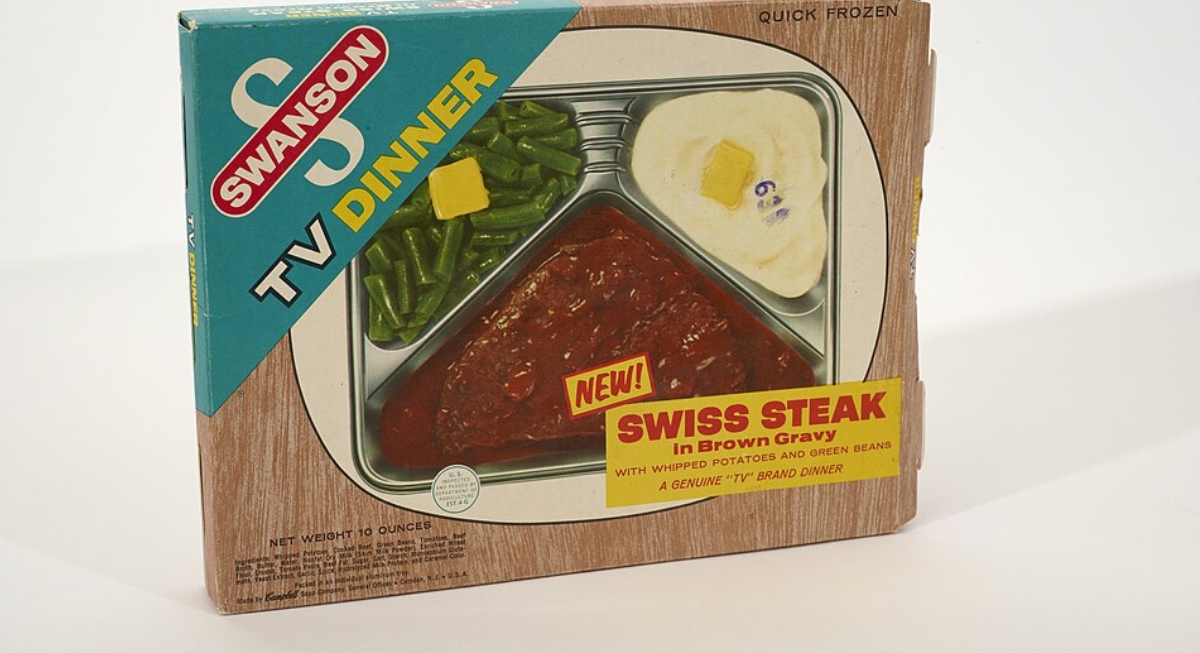
Aluminum trays dominated frozen-food aisles across American grocery stores. Tiny compartments separated mashed potatoes, vegetables, meat, and dessert. Their low prices, long freezer life, and fast prep time made them a weekly staple. High-protein bowls, keto meals, plant-based products, and air-fryer packaging later replaced large sections of the frozen dinner inventory.