10 Heists That Should Have Been Impossible But Somehow Happened
Some crimes seem too complex to succeed because locations are fortified, the security is tight, and the targets are heavily guarded or simply out of reach. Still, history shows that clever planning and timing can undo even the most secure systems.
These heists show how systems fail when someone truly understands how they work.
Isabella Stewart Gardner Museum Robbery

Credit: Wikipedia
Two men gained entry by posing as police officers responding to a late-night call. Once inside, they restrained the guards and moved freely for over an hour. The robbery led to the theft of 13 works, including pieces by Rembrandt and Vermeer, and the loss was valued at hundreds of millions.
Antwerp Diamond Center Break-In
Credit: Wired
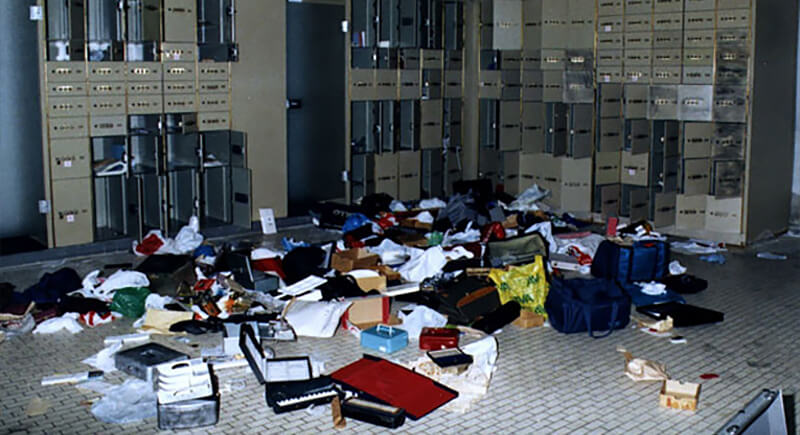
Security experts once cited the Antwerp Diamond Center as a model for layered protection. The vault used sensors, coded locks, and surveillance tied to a secure control room. Thieves still managed to bypass every system and empty most safes. Leonardo Notarbartolo later faced conviction, but the diamonds vanished.
D.B. Cooper Hijacking and Disappearance

Credit: Wikipedia
Air travel in the early seventies lacked the screening that travelers accept today. That gap shaped the outcome of the D.B. Cooper hijacking and disappearance. The hijacker demanded cash and parachutes, and then proceeded to exit the aircraft mid-flight. Authorities never recovered most of the ransom, and the case led regulators to change airline security standards.
Banco Central Tunnel Operation
Credit: Policia Civil São Paulo
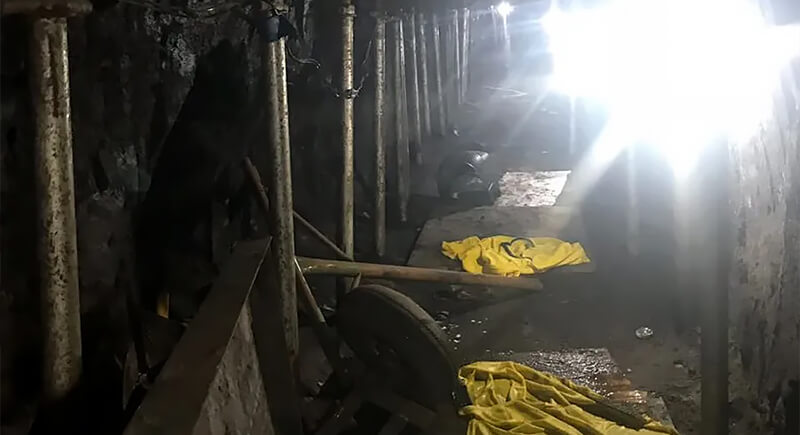
The thieves in this heist rented property near the bank and posed as a landscaping business. That cover allowed months of tunneling without raising alarms. The Banco Central tunnel operation reached directly beneath the vault floor and cleared out tons of currency during a weekend window. Police traced chalk residue and careless purchases to several suspects, and the courts later convicted dozens connected to the scheme.
Royal Mail Train Theft in England
Credit: Wikimedia Commons
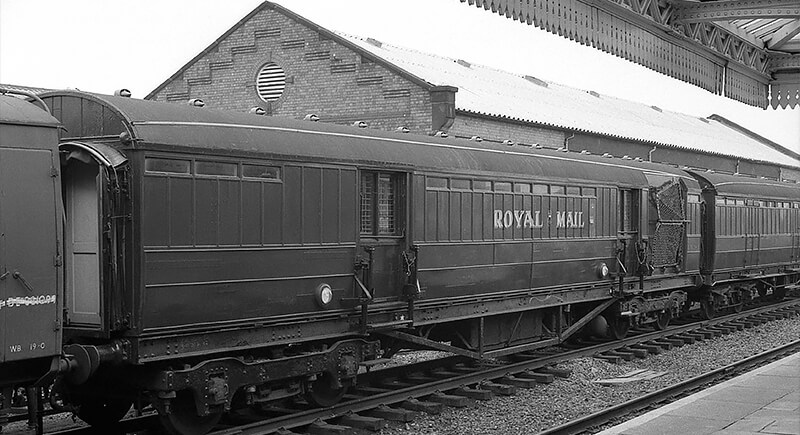
Rail networks used to rely on manual signaling that crews trusted, and criminals exploited that trust during the Royal Mail train theft in England. They altered the signal lights to stop the train at a bridge. The group assaulted the driver and ran off with bags of used notes.
Dunbar Armored Depot Inside Job

Credit: Wikimedia Commons
Employment records and routine access often create blind spots inside secure facilities. The Dunbar armored depot inside job showed how former staff can exploit that knowledge. Allen Pace planned entry points and camera blind spots based on prior duties, while the crew restrained workers and moved cash using rented vehicles.
Brink’s-Mat Gold Warehouse Robbery
Credit: Wikipedia
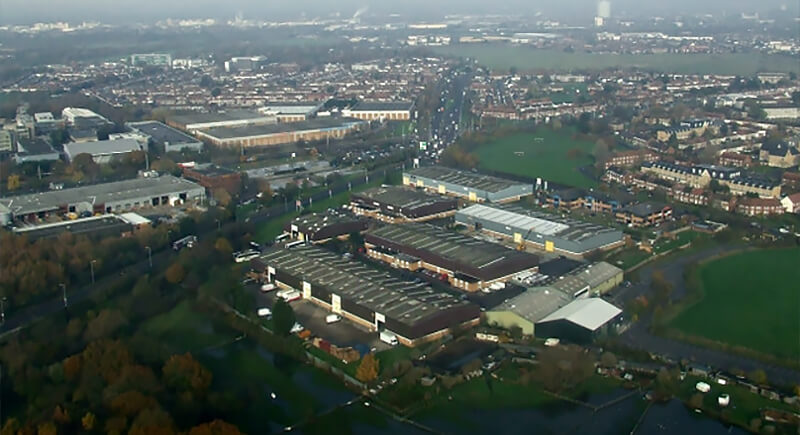
British law enforcement spent decades unraveling the fallout from this theft. The Brink’s-Mat gold warehouse robbery flooded criminal networks with melted bullion worth over £26 million. That gold financed drug operations, property deals, and other laundering schemes. The crime prompted regulatory changes across banking, logistics, and trading sectors.
Harry Winston Jewelry Store Raid

Credit: Wikimedia Commons
Posing as women and entering with confidence, the thieves moved through the store without hesitation. They relied on insider knowledge, such as staff names, security blind spots, and hidden storage. That familiarity let them empty showcases and backroom safes in minutes. Authorities later recovered a portion of the $100 million haul, but most disappeared.
Tucker Cross Shipwreck Theft

Credit: Wikipedia
Artifacts recovered from shipwrecks often pass through informal display spaces. The Tucker Cross shipwreck theft exposed that risk. The cross had high historical and material value, yet security remained minimal. Thieves replaced it with a replica before a high-profile visit. Consequently, museums began reviewing artifact custody standards, even for small collections.
Plymouth Mail Truck Cash Robbery
Credit: Facebook
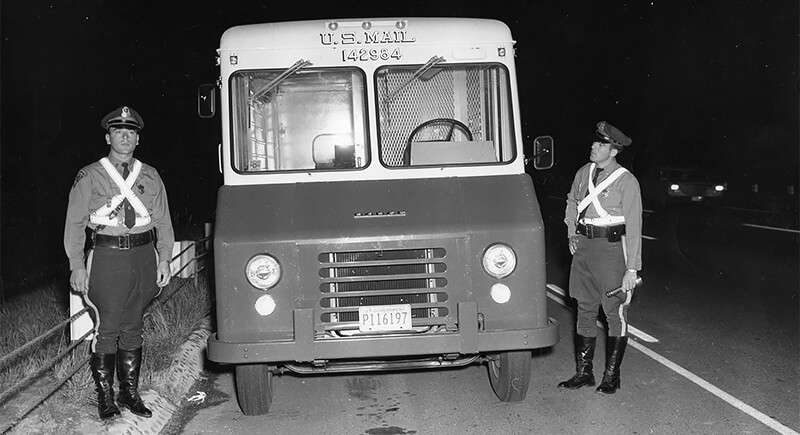
Thomas Richards, the only witness expected to testify, disappeared just before the trial. Without him, prosecutors couldn’t connect the suspects to the robbery that took place in 1962 and involved a phony police detour to redirect a truck off course. The crew blindfolded and bound the workers before stealing $1.5 million in small bills. Eventually, courts acquitted the remaining suspects.