IKEA Is Paying $16.10 an Hour to Work Inside a Virtual Store in Roblox
IKEA is paying real employees to work inside a virtual store on Roblox. The roles pay about $16.10 an hour, which matches what many London-based IKEA store workers earn. Time spent in the game is tracked like any other remote job, and employees are paid for the actual hours they work.
The virtual store launched on June 24, 2024, and follows the layout and routines of a physical IKEA location. Employees help visitors find items, move between departments, and assist with basic store tasks. The experience mirrors normal store operations rather than treating the space as a game.
Employees can switch roles and earn promotions, just as they would in a physical store. A digital version of IKEA’s food counter is also part of the setup, with staff serving simplified versions of familiar menu items.
Who Can Apply and How It Works

Image via Canva/ninjaDesign
The hiring rules show that this is more than an innovative move. Applicants must be at least 18 years old and live in the United Kingdom or Ireland. Applications opened in early June and closed mid-month, followed by virtual interviews. Only ten roles were available, and people who already work in physical stores were excluded.
This frames the project as a test, not as a mass-hiring plan. The company is watching how paid labor operates in a gaming environment before expanding further. Employees work alongside unpaid players, who can still explore departments and complete tasks, but the paid roles carry responsibility and accountability.
Why Roblox Makes This Unusual
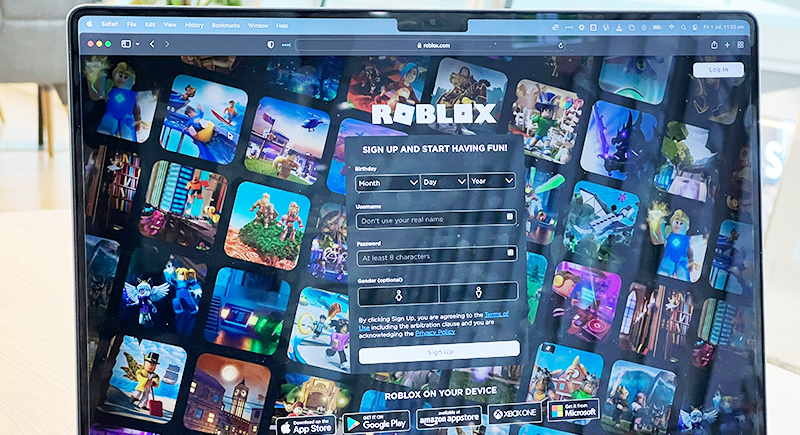
Image via Unsplash/Oberon Copeland
Roblox is massive, but its audience is mostly young, with a large share of users being teens, and many are even younger. That makes the presence of paid adult workers unique. It also explains why the company set firm age limits and geographic restrictions. The goal appears to be credibility rather than chaos.
Roblox already combines play with creation, social interaction, and commerce. Millions of users customize characters, build worlds, and spend money on virtual items every day. Adding paid staff inside that ecosystem pushes the platform closer to a workplace, even if the setting still looks like a game.
Part of a Bigger Brand Pattern
IKEA is not the first retailer to experiment inside Roblox. Walmart has already built virtual spaces on the platform, though those are more focused on shopping tie-ins than on paid employment. The difference here is the paycheck, because paying workers inside a game changes the conversation.
This move also lines up with the company’s recent real-world wage increases in the United Kingdom, where it invested more than £35 million in higher pay and bonuses. The virtual roles follow the same pay standard rather than introducing a lower digital rate.