The Absolute Worst Years Throughout Human History
Throughout history, there have been a few individual years that brought sudden, widespread devastation. Mortality surged, governments struggled to maintain order, disease spread faster than available treatments, and violence escalated rapidly. The impact was immediate and severe, with consequences that lasted for generations.
Ships That Carried The Plague (1347)
Credit: Wikimedia Commons
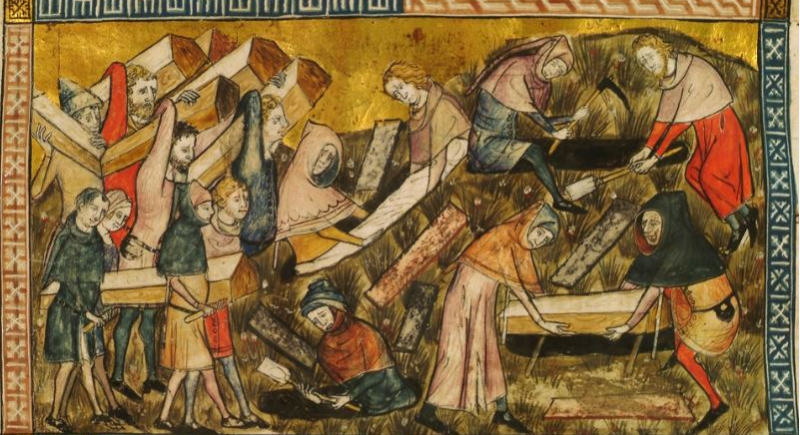
It began at the docks. In 1347, trading ships arriving at European ports carried the bacterium that caused the Black Death, and bustling cities became epicenters almost overnight. Bubonic plague moved through neighborhoods with terrifying speed, and modern estimates suggest that 30% to 60% of Europe’s population died within a few years. Farms were abandoned, wages rose because workers were scarce, and entire villages disappeared from records.
An Empire Crippled By Disease (541)
Credit: Wikimedia Commons
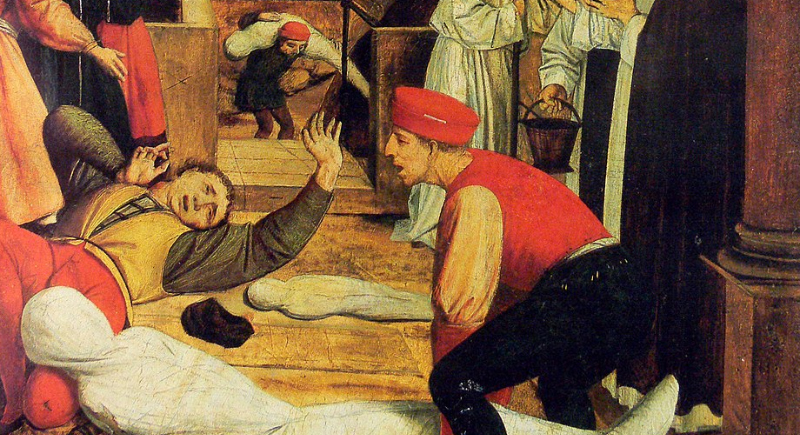
Long before medieval Europe faced plague, the Byzantine Empire was already learning the same lesson. The Plague of Justinian erupted in 541 and reached Constantinople in 542, where historical accounts described thousands dying each day in the capital. Modern estimates place total deaths between 25 million and 50 million across Europe, North Africa, and the Near East, and outbreaks returned for nearly two centuries.
Contact That Unleashed Epidemics (1492)
Credit: Wikimedia Commons
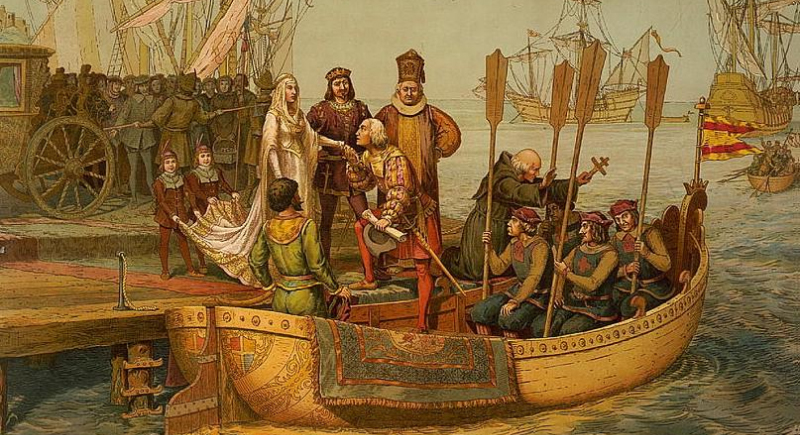
In 1492, Christopher Columbus’s arrival in the Americas began sustained contact between Europe and Indigenous societies. With that contact came Old World diseases such as smallpox, measles, and influenza. Indigenous populations, who had no prior exposure or immunity, were hit hardest. Mortality rates soared across the Americas in the following decades, and many Indigenous communities experienced severe demographic collapse.
Smallpox Toppled An Empire (1520)
Credit: Wikimedia Commons
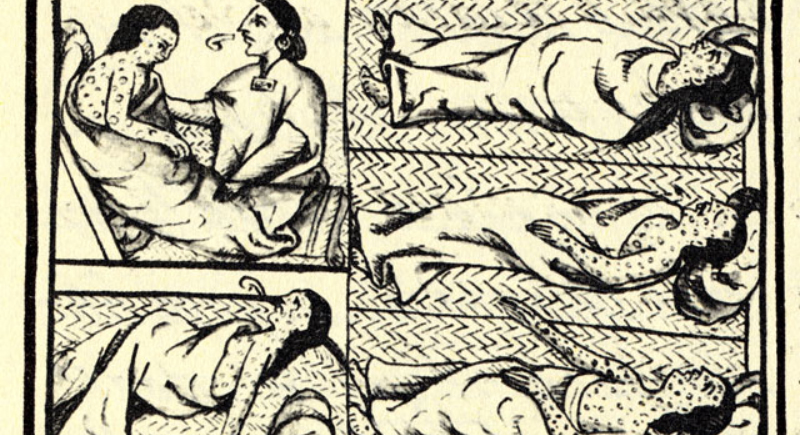
War was already underway when smallpox entered the Aztec world in 1520, but the virus moved faster than any army could march. It spread through Tenochtitlan during active conflict, and Emperor Cuitláhuac died after ruling for roughly 80 days. Mortality in central Mexico reached an estimated 30% to 50% within a few years, and leadership fractured under relentless loss. Military resistance weakened from sickness.
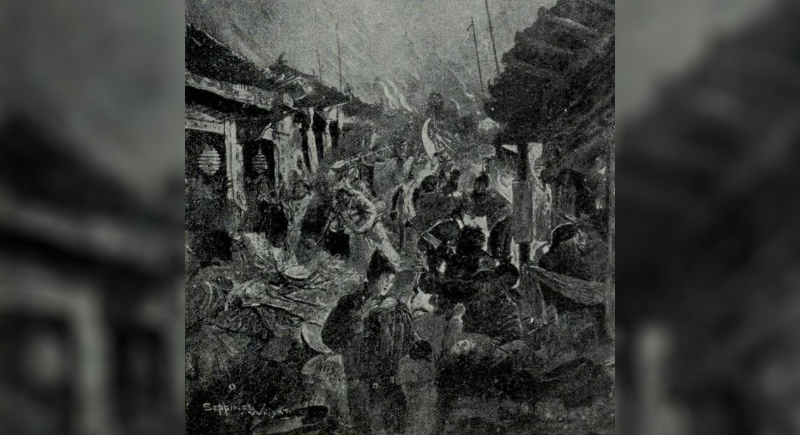
Dynasty Ends In Flames (1644)
Credit: Wikimedia Commons
Famine and unrest had been simmering in northern China for years, and then 1644 snapped the tension. Rebel leader Li Zicheng captured Beijing in April, and the Chongzhen Emperor committed suicide as the capital fell, ending nearly 300 years of Ming rule. Qing forces soon consolidated control and reshaped China’s political structure until 1912. One breached city gate closed a dynasty and opened another chapter of imperial rule.
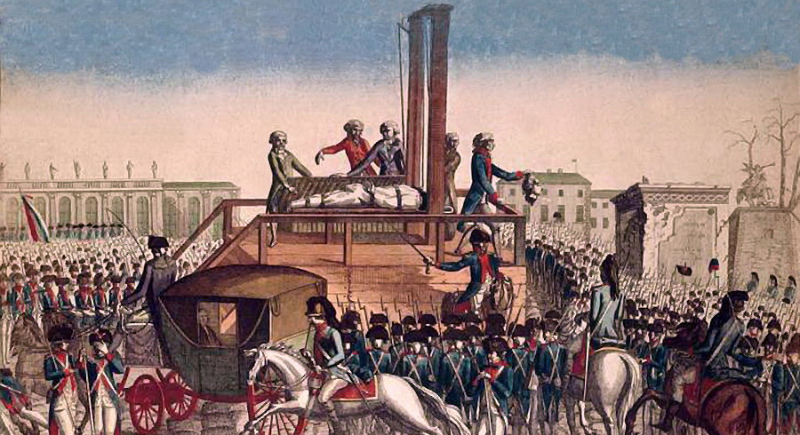
Revolution Devours Its Own (1793)
Credit: Wikimedia Commons
Revolutions promise renewal, but 1793 delivered fear. During the French Revolution’s Reign of Terror, revolutionary tribunals sentenced thousands to the guillotine after King Louis XVI had already been executed in January. Political factions turned on one another, and violence became the state policy. Public executions were meant to defend the revolution, but they deepened instability instead.
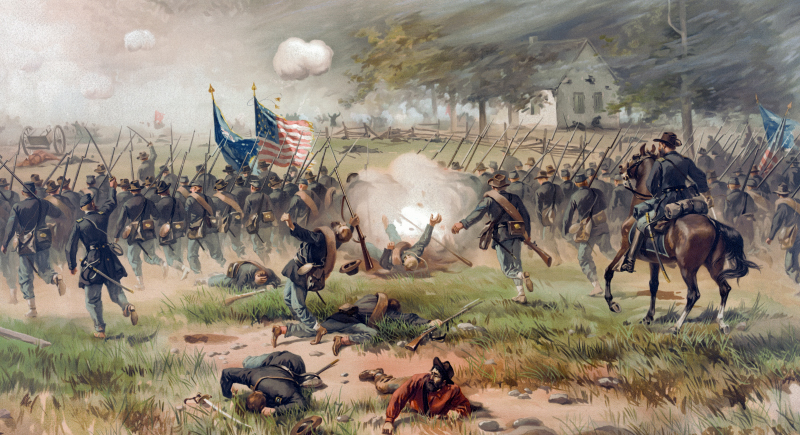
America’s Bloodiest Battlefield Year (1862)
Credit: Wikimedia Commons
In 1862, the American Civil War reached a devastating peak as Union and Confederate armies fought each other across the country. At the Battle of Shiloh in April, both sides suffered heavy losses. In September, Union and Confederate forces clashed at Antietam, resulting in about 23,000 killed, wounded, or missing in a single day, the bloodiest day in United States military history. Industrial supply systems kept both armies equipped, allowing the fighting to continue at enormous human cost. By the war’s end, an estimated 620,000 to 750,000 soldiers from both sides had died.
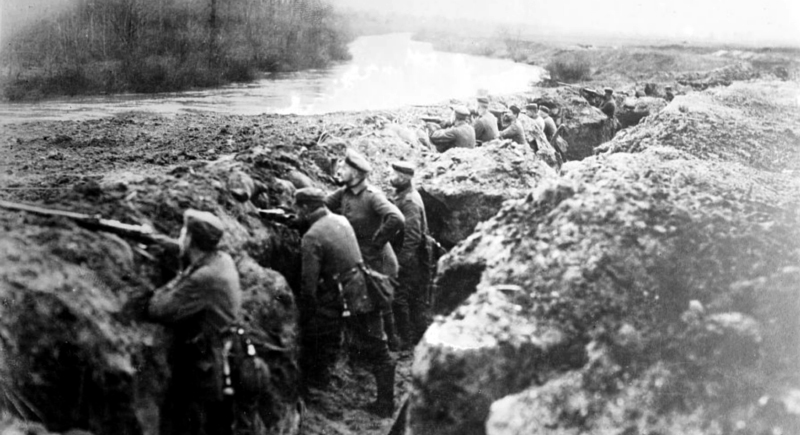
Trenches Carved Across Europe (1914)
Credit: Wikimedia Commons
By 1914, alliances snapped, and the First World War erupted into global conflict. Trench systems stretched across the Western Front, and soldiers endured months of artillery bombardment and machine gun fire in fortified lines. Industrial production sustained years of fighting, and entire economies pivoted toward war. Casualties mounted into the millions as stalemates dragged on. A regional crisis ignited a conflict that redrew maps and shattered empires.
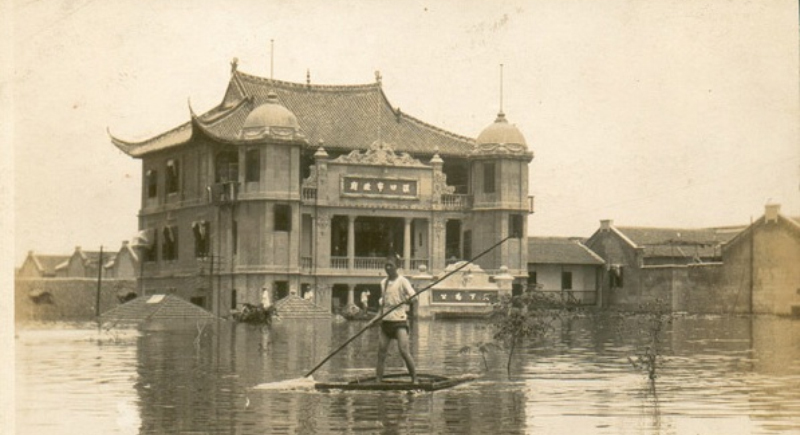
Floodwaters Swallowed Entire Provinces (1931)
Credit: Wikimedia Commons
Nature delivered its own devastation in 1931 when heavy snowmelt and relentless rainfall caused China’s Yangtze, Yellow, and Huai River basins to overflow. Floodwaters submerged vast regions for months, and death estimates range from 1 million to 4 million due to drowning, famine, and disease. Infrastructure damage complicated relief efforts while waterborne illnesses spread through standing water.
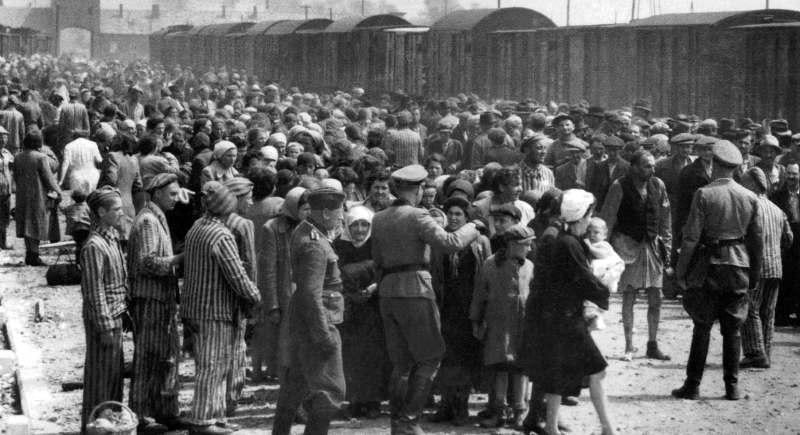
Industrialized Killing Reaches Peak (1943)
Credit: Wikimedia Commons
The year 1943 marked one of the most lethal peaks of World War II. The Holocaust expanded through coordinated deportations and extermination camps, building on administrative systems refined the previous year. Civilian casualties surged across Europe and Asia as industrial capacity supported organized destruction. Bureaucracy, rail networks, and factories were redirected toward systematic murder. Modern systems designed for efficiency became instruments of unimaginable loss.