How the Saturday Morning Cartoon Ritual Shaped an Entire Generation of Kids
Saturday mornings followed a pattern kids learned quickly and rarely broke. The TV came on at a set time. The lineup moved in a fixed order. Each show had a narrow window, and once it passed, it was gone until the next scheduled airing. It was a routine that shaped the entire morning. Kids woke up early, poured cereal, and settled into the same spot in front of the screen.
Over time, that structure created a shared viewing experience that carried beyond the screen.
Scarcity Turned Watching Into a Habit
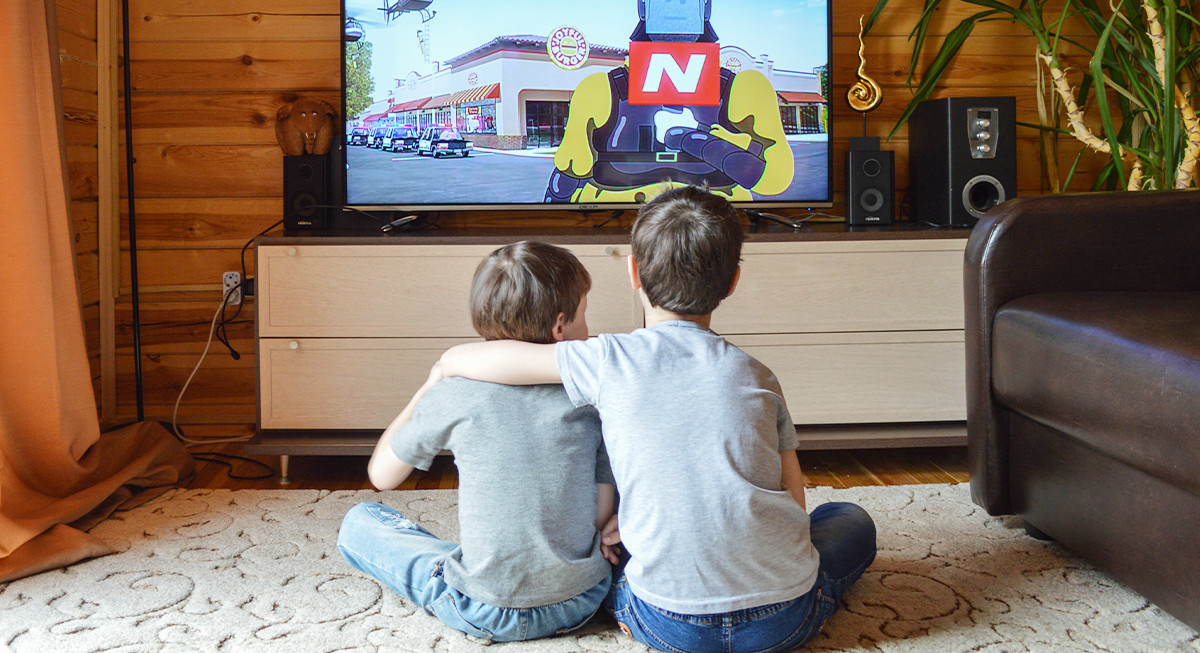
Image via Pixabay/Sunriseforever
By the mid-1960s, major U.S. networks had carved out dedicated Saturday morning slots for children’s programming. By that point, with television in roughly 90% of American households, the reach was massive.
Networks designed these blocks to hold young viewers for hours at a time. Cartoons aired in sequence, each tied to a specific time. The schedule was consistent, and kids learned how to follow it because it rarely changed.
Each show aired often just once that week. The scarcity gave the schedule importance. Kids tuned in on time, followed the lineup in order, and stayed through the block.
Everyone Watched the Same Thing at the Same Time
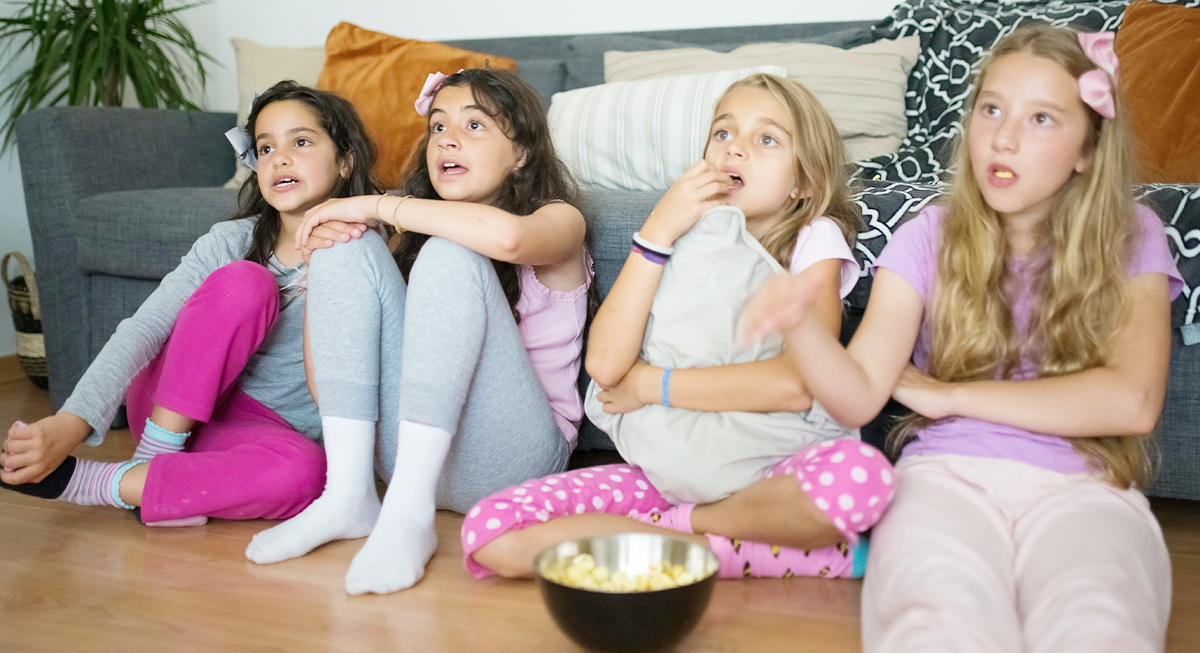
Image via Pexels/Kampus Production
Limited programming created a shared viewing window for large groups of kids nationwide. As a result, they shared a common set of references. Everyone had access to the same material at roughly the same time, so it was easy to pick up a conversation without explanation. Characters, catchphrases, and storylines carried into talks at school and during play.
Cartoons, Cereal, and Toys Worked as One System
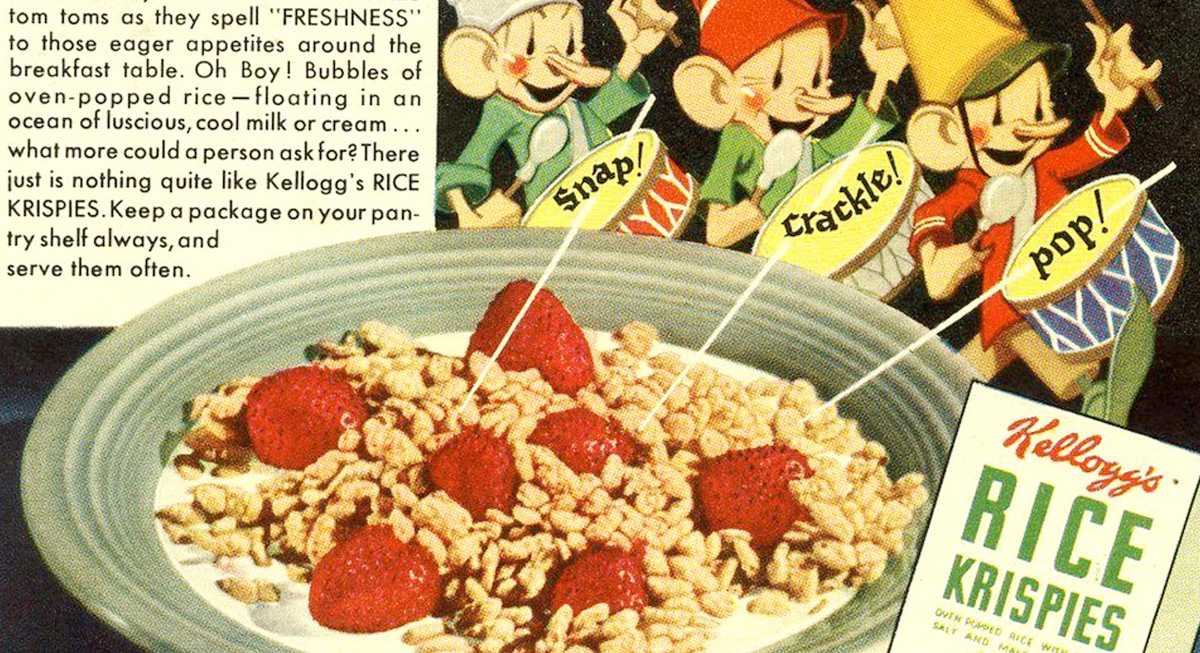
Image via Wikimedia Commons/Kellogg’s
Saturday mornings also functioned as a coordinated commercial environment. Networks, advertisers, and manufacturers aligned their efforts within the same time block.
Commercial breaks featured cereals, toys, and products tied directly to the shows. Many series were developed alongside merchandise. Shows and ads reinforced each other, and familiarity was built through repetition. This setup introduced kids to brands in a consistent setting.
When the Structure Disappeared, So Did the Ritual
By the early 2000s, cable networks began offering cartoons throughout the day, and streaming services later removed schedules entirely. Content became available at any time, which changed how it was consumed.
Without a fixed schedule, the shared viewing window faded. Kids watched at different times, in different settings, and often on their own.