How the Internet Killed the Things We Loved About the ’90s (And What We Got Instead)
For people who grew up in the 1990s, daily life followed a routine that feels almost foreign today. Communication took effort, entertainment required planning, and the internet existed mostly as a curiosity.
Then the web exploded, smartphones arrived, and the world changed faster than anyone expected. Many of the small rituals that defined the decade died along the way. The internet delivered incredible convenience and endless information, but it also replaced experiences that once made everyday life feel slower, more social, and surprisingly memorable.
Friday Nights Used to be an Event
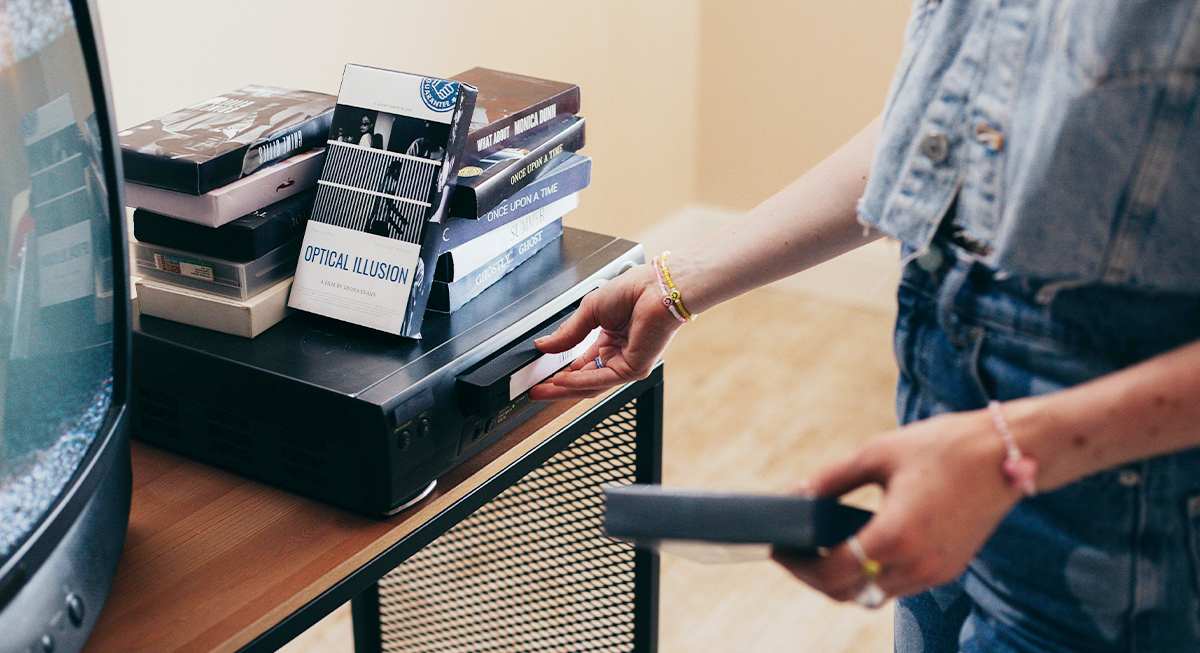
Image via Pexels/cottonbro studio
Before streaming services put thousands of movies in everyone’s pocket, choosing what to watch required leaving the house. Families and friends often headed to video rental stores like Blockbuster or Hollywood Video, where you could find rows of VHS tapes or DVDs. People wandered the aisles debating which film deserved the evening, hoping the last copy hadn’t already been taken.
Today, the internet has erased that ritual entirely. Streaming platforms like Netflix, YouTube, and Disney+ offer nearly unlimited content instantly. The trade-off is that instead of a shared outing and a single decision, people now spend long stretches scrolling through menus alone, trying to pick something from thousands of options.
Music Went From Something You Owned to Something You Stream
It’s the same with apps like Spotify and Apple Music that offer millions of songs instantly. The convenience is incredible, but ownership has largely disappeared. Instead of building a personal collection, listeners can access vast libraries in the cloud.
Music lovers in the 1990s built their collections one album at a time. Buying a new CD, creating a mixtape, or burning a CD for a friend took real effort.
Peer-to-peer services like Napster at the end of the decade proved that music could move freely online, shaking the recording industry and paving the way for modern platforms.
Communication Became Instant, Constant, and Unfiltered

Image via Pexels/YanKrukau
Calling someone in the 1990s usually meant dialing a landline and hoping the person you wanted was home. It also meant that parents might answer first, and long-distance calls could be so expensive that people waited until the nighttime discount hours. Memorizing phone numbers was normal, and writing letters or postcards was still common.
Now, smartphones allow people to send messages, voice notes, photos, and video calls anywhere in the world in seconds. You have WhatsApp, Instagram, Snapchat, FaceTime, you name it, for effortless communication.
At the same time, the internet has erased many boundaries. Messages arrive day and night, and the expectation to respond quickly keeps hovering over your head. In the same way, the internet transformed how people learn about the world.
In the early days, news organizations and editors still controlled most public information. By the late 1990s, online outlets and blogs began publishing stories instantly, sometimes breaking major political news before traditional media could react.
Information spreads across the web at extraordinary speed. News updates appear constantly, and social media platforms amplify every development within minutes. The internet turned information into a nonstop stream, replacing the slower, scheduled news cycle that once dominated television and newspapers.
Childhood Changed Along With Everything Else
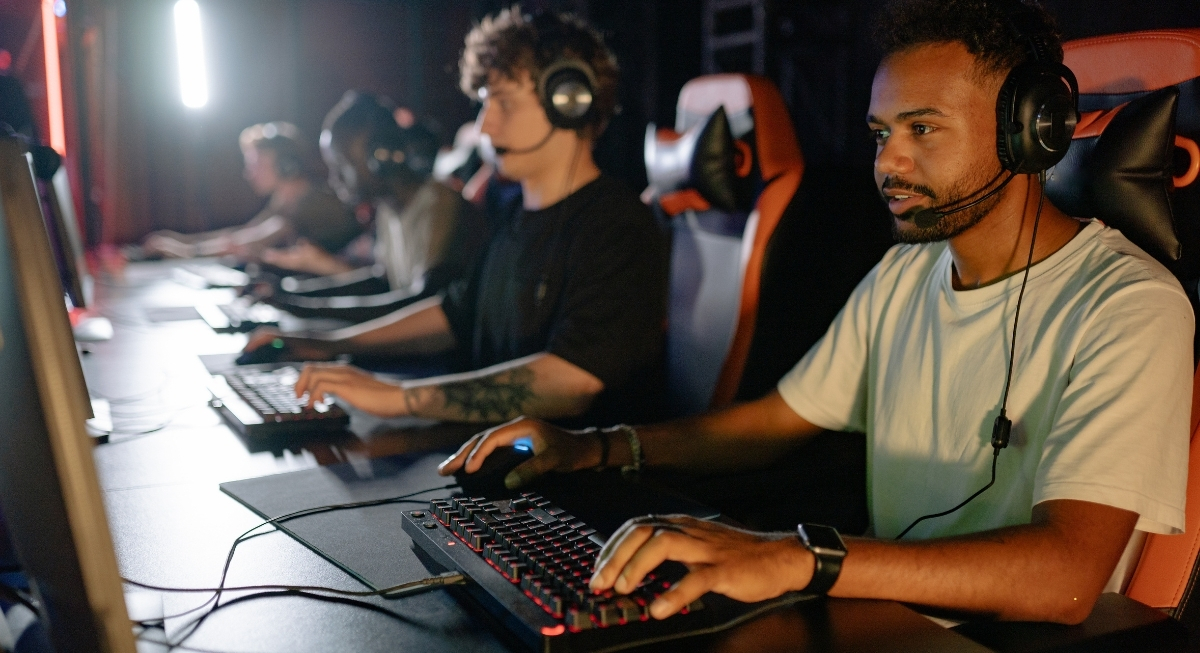
Image via Pexels/Yan Krukaue
Social life before smartphones revolved around physical places. Teenagers met at shopping malls, parks, movie theaters, or at someone’s house. Showing up at a friend’s door without warning was normal, and neighborhood kids often spent entire afternoons riding bikes or inventing games outside.
Digital life slowly replaced those casual gatherings. Social media, online gaming, and messaging apps now fill the time that used to involve wandering the neighborhood. People still connect with friends, but interactions increasingly take place on screens rather than in shared spaces.
Kids in the 1990s also grew up with technology, but it rarely controlled the day. Many spent hours outdoors, played video games only after school, and watched cartoons at specific broadcast times. Missing an episode meant waiting for reruns.
What We Lost And What We Gained
The web eliminated many inconveniences that once defined daily life. Communication is faster, entertainment is limitless, and information travels across the world in seconds.
But something changed along the way. Anticipation faded when everything became available instantly. Shared cultural moments grew rarer as algorithms personalized what each person sees. Even boredom, which once pushed people toward creativity or conversation, nearly disappeared.
The world today is more connected than anyone in the 1990s could have imagined. At the same time, those older routines remind people that convenience sometimes replaces experiences that were meaningful and made everyday life feel a little more human.