How the Family Photo Album Became a Lost Art in the Digital Age
For most of the 20th century, the family photo album acted as a timeline. People selected images carefully and placed them in a sequence that made sense. Early albums often focused on relationships, then marriage, then children, then a mix of everyday life and major events.
Dutch curator Erik Kessels, who studied thousands of albums for his 2013 exhibition “Album Beauty,” noticed that people typically created around seven or eight albums over their lifetimes. Each one followed a stage of life, almost like chapters in a book. That structure gave the photos meaning.
Albums also demanded effort. Films cost money, prints took time, and space was limited. Every image that made it into an album had passed through several rounds of decision-making, which made it feel important.
The Move From Curating to Collecting

Image via Canva/David Stanciu’s Images
Digital photography changed the rules overnight. Taking photos became effortless, but organizing them became harder. Instead of choosing a few images, people now store thousands. Clifford Lynch of the Coalition for Networked Information pointed out in 2013 that future families may inherit hard drives filled with photos, similar to old shoeboxes, except far larger and far more disorganized.
This created a new problem. The act of curating, which once turned moments into stories, started to disappear. Photos still exist, but they rarely connect into a clear narrative.
The way images are shared has also changed. Kessels explained that personal photos used to stay within families, while now they are often posted instantly and seen by strangers. The focus shifted from building a private history to sharing quick highlights.
Why Digital Photos Feel Different
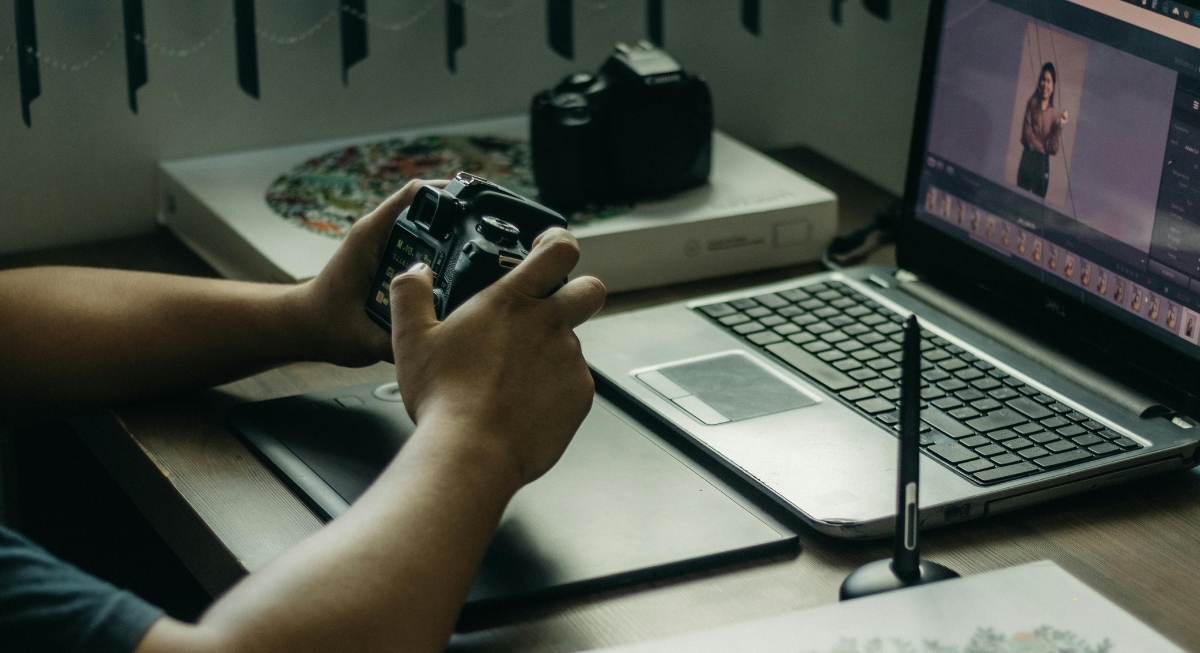
Image via Pexels/Kawê Rodrigues
Physical albums required handling, flipping pages, and sitting with others to look through them. That process slowed things down and made each image feel deliberate. Families gathered around albums and filled in gaps with stories, jokes, and context that never made it onto the page.
Digital photos, on the other hand, often live on personal devices. They are easy to access but rarely experienced together in the same way. The volume alone makes it difficult to pause and reflect.
There is also a practical risk. Archivist Bill LeFurgy of the Library of Congress warned that digital collections can be fragile. Files can be lost due to hardware failure, platform shutdowns, or simple neglect. Printed photos may fade over time, but they rarely vanish all at once.
The Secret Cost of Too Many Photos
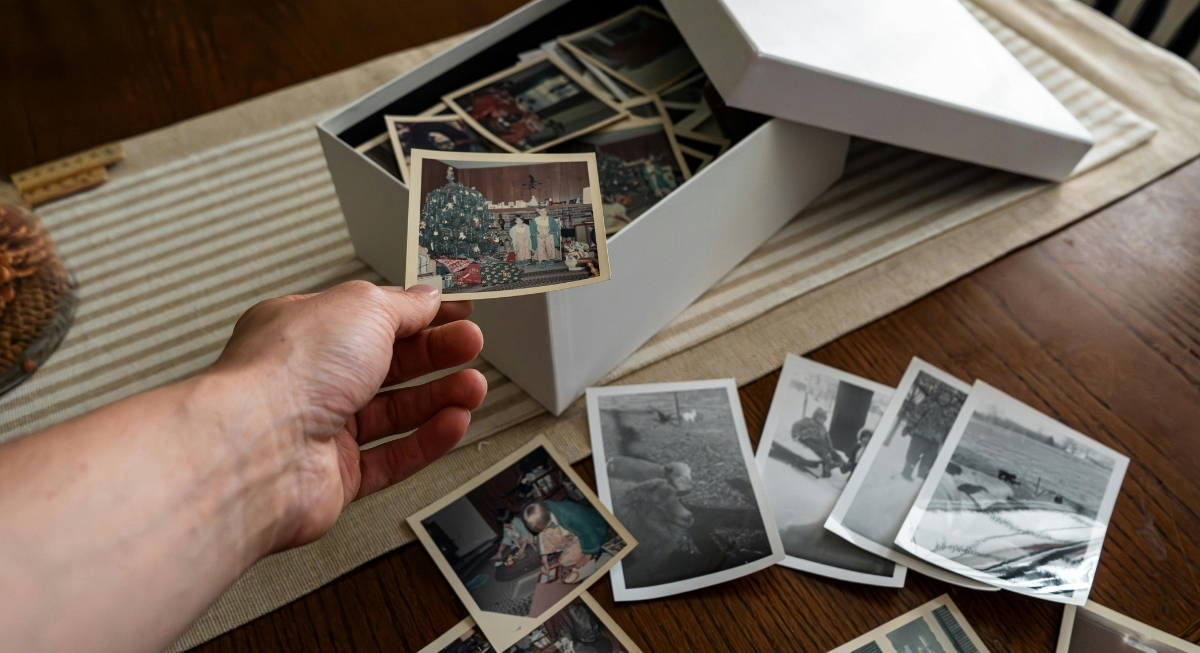
Image via Pexels/fish socks
Having more images should mean stronger memories, but in reality, the opposite can happen. When everything is saved, it becomes harder to tell what’s really important. Families end up with large collections that feel overwhelming, which leads to unfinished albums, scattered files, and forgotten moments.
The overload also removes the natural hierarchy that albums once had. A wedding photo no longer stands apart from a random image taken minutes later. They’re placed side by side in the same endless feed.
Signs the Album Isn’t Fully Gone
Despite all this, the idea of the photo album has not completely disappeared. It has just changed form. Some families now create photo books for major events, such as trips or graduations. Others print a small selection of images each year instead of everything. Instant cameras and Polaroid-style photos have also made a calm return, bringing back the appeal of holding a memory in your hand.
Bringing Back the Story
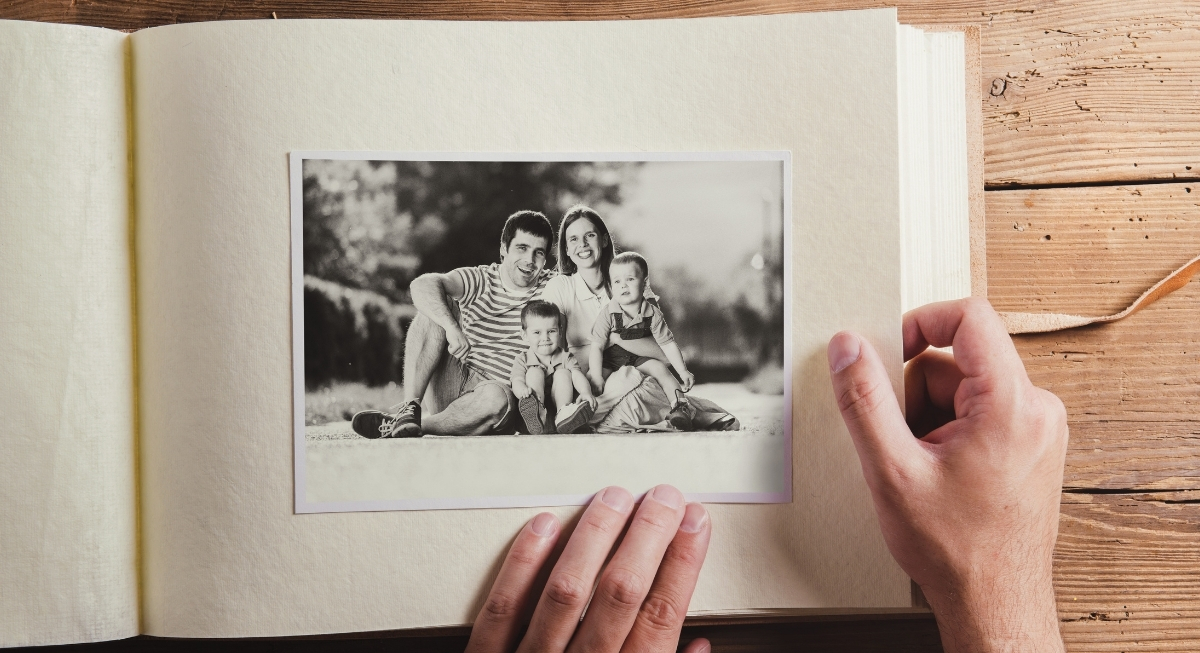
Image via Canva/halfpoint
Albums once helped people decide what to keep, how to arrange it, and why it mattered. Digital storage removed those limits, but it also removed the pressure to make choices.
Rebuilding that sense of purpose starts with selecting fewer photos, organizing them with care, and giving them a place that feels permanent.