How the Family Dinner Table Emptied Out Between 1995 and 2005
In American homes, somewhere between the last years of VHS tapes and the early days of broadband internet, the dining room still existed. But by 2005, dinner looked very different from what it had been a decade earlier. Parents worked later, and kids spent evenings bouncing between soccer practice, dance class, tutoring, and part-time jobs. Cable TV exploded, cell phones entered pockets, and fast food became quicker, cheaper, and easier to grab between errands. Even the architecture of homes began to change in line with those habits. Thus, the concept of family dinner fell apart.
The House Started Changing First
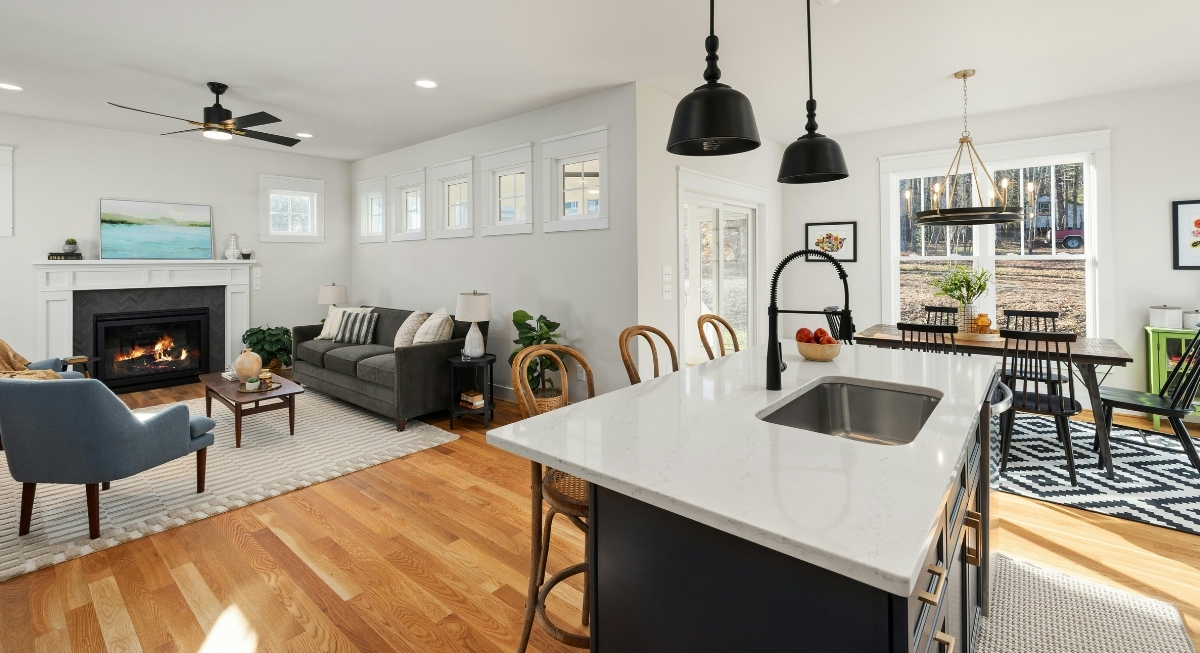
Image via Pexels/Curtis Adams
During the late 1990s and early 2000s, home design began moving toward open floor plans. Builders pushed kitchens into larger shared spaces connected to living rooms and breakfast nooks. Formal dining rooms began losing priority, especially in cities where square footage commanded a higher price.
This change showed how families actually lived. A room used mainly for holiday meals started feeling wasteful compared to flexible spaces that could handle work, homework, eating, and entertainment all at once. The dining table survived, but its role changed. It became a temporary workstation in the morning, a homework station after school, and a spot for takeout containers at night.
Schedules Took Over the Evening

Image via Getty Images/Ridofranz
Back in the 1980s and early 1990s, many households still revolved around shared routines. Dinner was at a predictable hour, TV was turned off until after the meal, most stores closed earlier, and kids spent more evenings at home. But after 1995, that structure cracked open.
Dual-income households became more common. Workdays stretched longer, schools added more extracurricular pressure, and youth sports evolved into a commitment. Families also spent evenings driving across town instead of sitting across the table from each other. Research later showed that shared meals dropped sharply during this period, especially during weekdays.
At the same time, eating became more individual. One person grabbed food before practice. Another ate after work. Someone else microwaved leftovers at 9 p.m. Dinner turned into a rotating pit stop.
Screens Walked Straight Into Mealtime
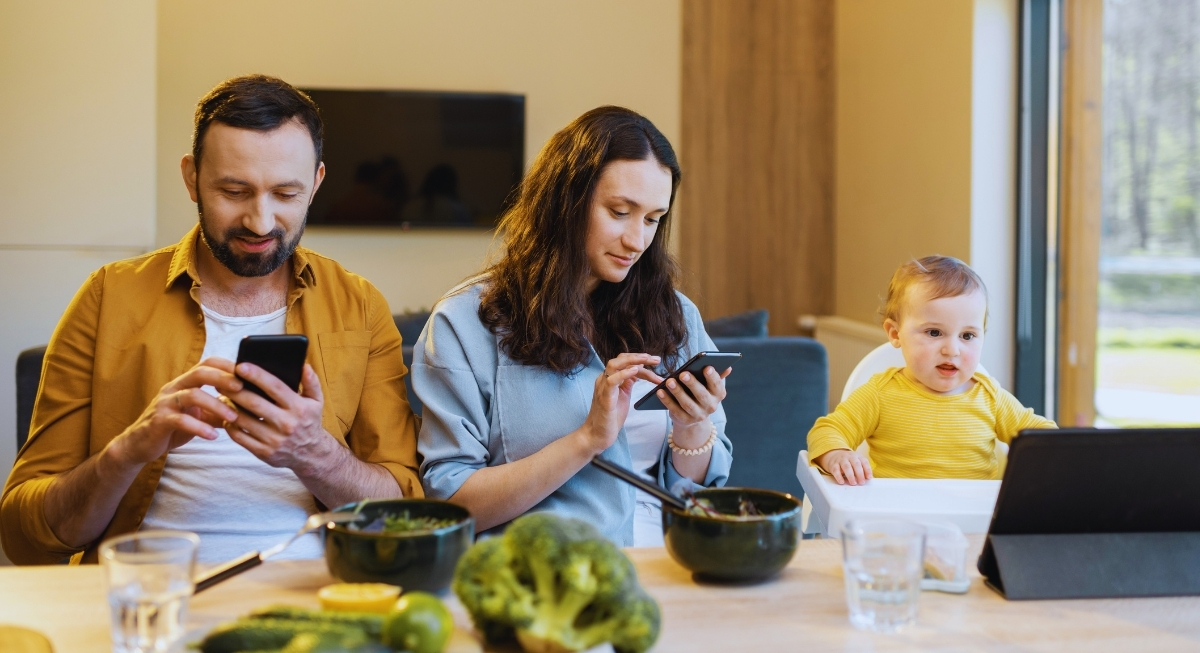
Image via Canva/RossHelen
Technology accelerated the change. By the early 2000s, many homes had multiple televisions, desktop computers, gaming consoles, and early mobile devices competing for attention every night. Families no longer gathered around a single activity at the same time. Meals moved to the couches, conversations shortened, and background noise took over.
Kids Missed It More Than Adults Realized
One of the more revealing moments tied to the modern dinner debate came during a social experiment shared by the Table Talk Project. Adults were asked who they would want to have dinner with. Many named celebrities or public figures, but children answered differently. Several simply wanted another dinner with their own families.
The gap says plenty about the early 2000s. Adults adapted to packed calendars and fragmented evenings faster than kids did.
Meanwhile, many parents associated family dinners with stress. Arguments, political clashes, rushed meals, and exhaustion turned dinner into another task squeezed into the day. The old version of the family meal had started to feel formal and difficult to maintain. Casual eating felt easier.