How Nostalgia Marketing Became a Billion-Dollar Industry
Nostalgia marketing has moved far beyond throwback packaging and occasional reboots. It now operates as a structured, high-performing business strategy tied directly to consumer spending, cultural cycles, and long-term brand growth.
At a global level, the nostalgia economy is already valued at over $350 billion and is projected to approach $500 billion by 2030. The scale reflects how reliably brands can turn memory into demand.
The Spending Trigger Brands Know Works
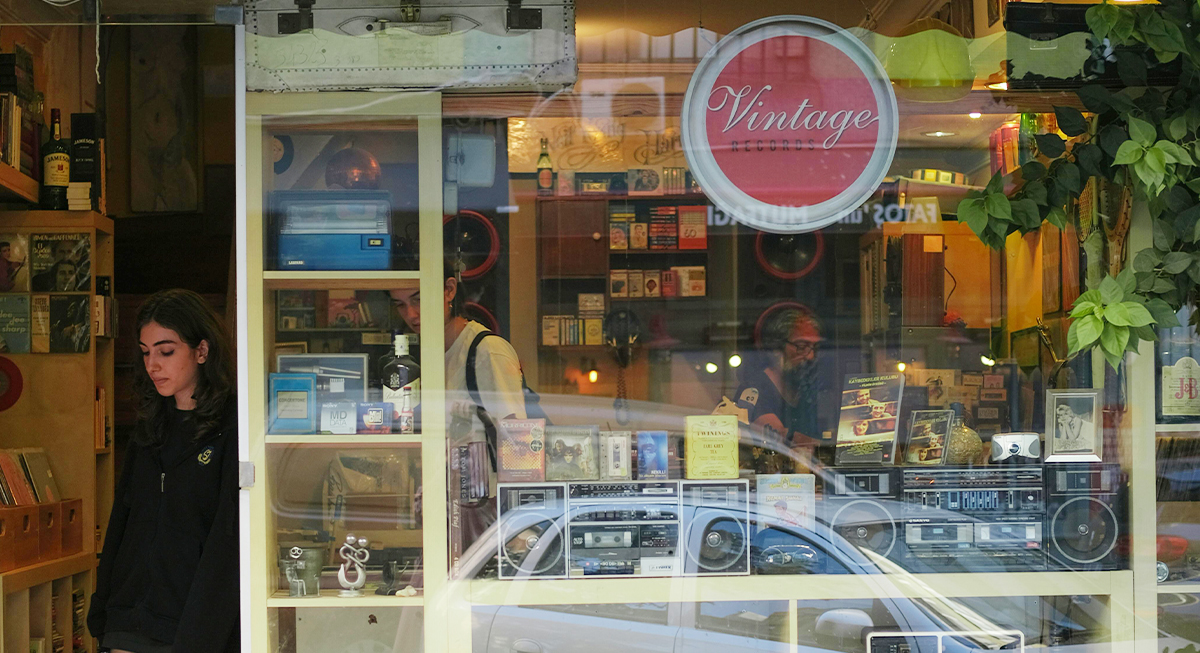
Image via Pexels/Esra Afşar
The commercial appeal of nostalgia comes down to behavior. More than half of U.S. adults say they are more likely to purchase something when it connects to a memory. The same response is present across demographics, including younger consumers.
Around 37% of Gen Z engage with nostalgia tied to the 1990s, even though many never experienced that decade firsthand. This pattern has made nostalgia one of the few strategies that consistently influences both perception and action.
Familiar visuals, sounds, and cultural references reduce hesitation and make products feel easier to trust. In practice, that often translates into faster purchase decisions and stronger brand attachment.
Timing Is Built Around Buying Power
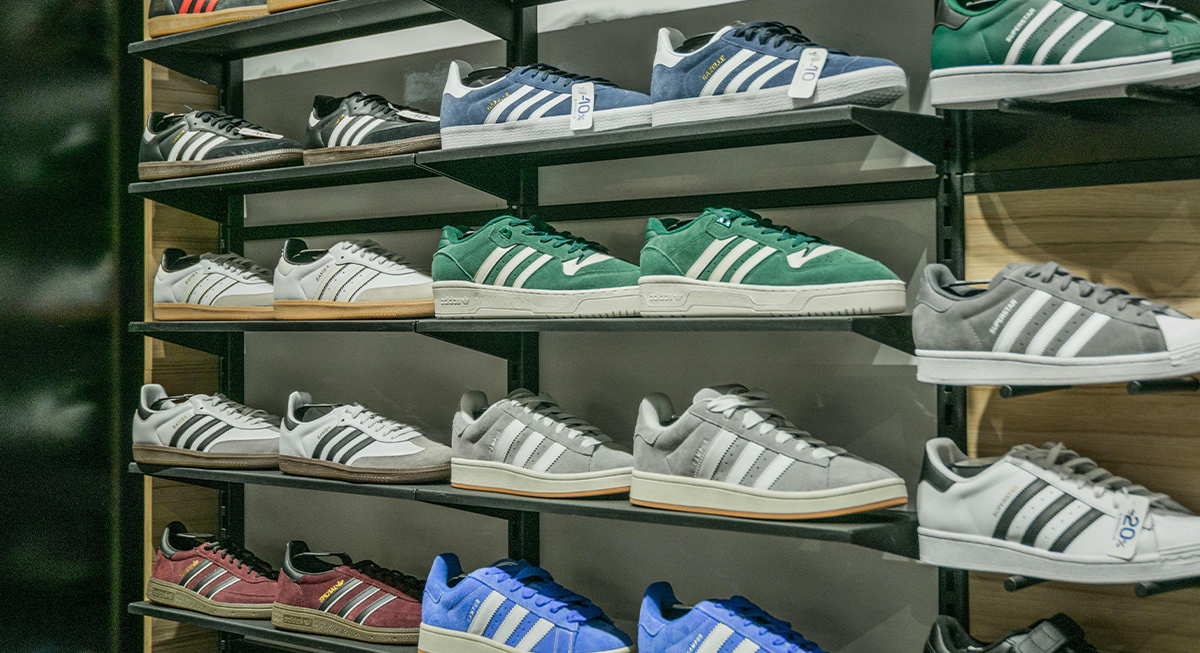
Image via Pexels/SHOX ART
Nostalgia marketing follows a pattern that aligns closely with consumer life stages. Products and cultural moments often return after roughly 20 to 30 years. By that point, the original audience has reached adulthood and gained spending power.
This timing explains the steady resurgence of early 2000s fashion, 1990s snacks, and long-discontinued products. It also explains why these revivals tend to be successful. They arrive when the audience can afford to act on that familiarity.
Why Nostalgia Is Accelerating Right Now

Image via Canva/annastills
In recent years, the time it takes for nostalgia to form and spread has shortened. During the pandemic, people began to feel nostalgic for experiences that had happened only months earlier. That reshaped how brands think about timing. They no longer need a legacy to use nostalgia effectively.
Digital access plays a major role here. Old content is always available, easily shared, and constantly reintroduced through platforms like TikTok and streaming services. A song, show, or product can move from archive to viral moment almost instantly, shortening the path from recognition to purchase.
As a result, nostalgia marketing now operates continuously rather than in cycles.
From Throwbacks to Full Revenue Systems
Nostalgia now supports entire ecosystems that generate revenue across multiple channels at once.
The recent success of the Barbie film illustrates how far this has evolved. The project combined childhood familiarity with modern storytelling and extensive brand partnerships. It included more than 100 collaborations and a reported $125 million revenue boost for Mattel through merchandise, licensing, and related sales. The campaign created a network of products, experiences, and cultural relevance that reinforced each other.
The same pattern exists in live events and entertainment. Tours built around early 2000s artists, product relaunches tied to cultural moments, and collaborations that revive past aesthetics all operate as coordinated systems.
The Secondary Market Shows Its Value
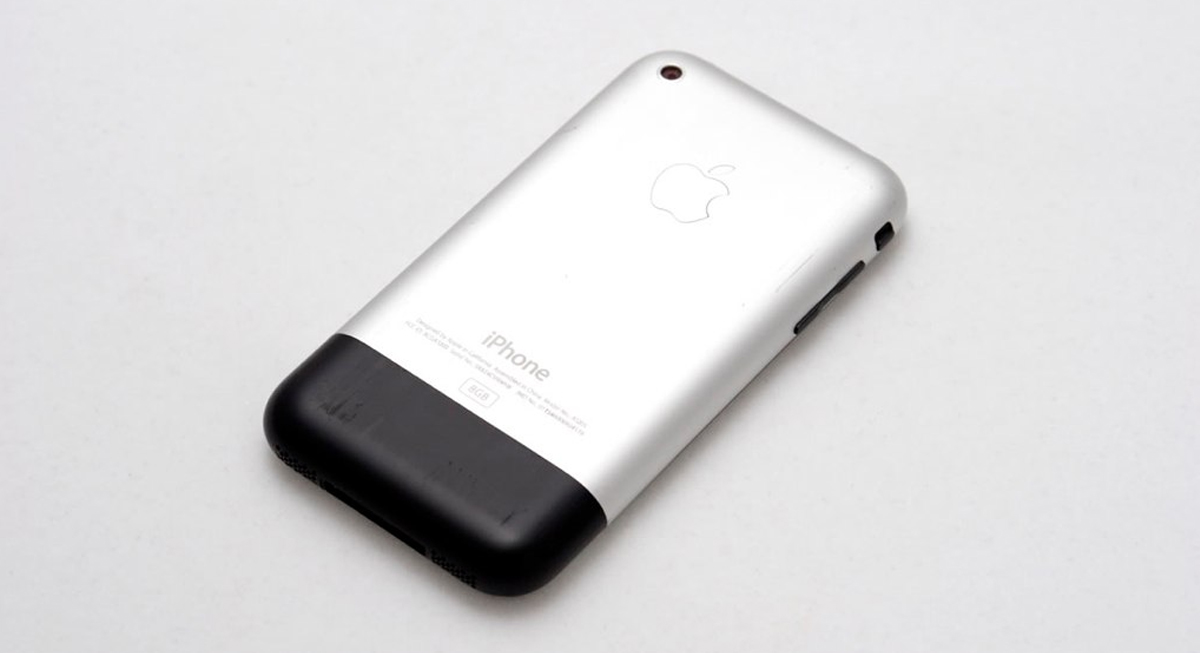
Image via Wikimedia Commons/Carl Berkeley from Riverside California
Nostalgia has also created a strong resale and collectibles market, where past products gain financial value over time.
Early-generation tech devices, rare toys, and vintage media regularly sell for prices far beyond their original cost. A first-generation iPhone has reached six figures at auction, while certain collectibles have sold for hundreds of thousands or even millions of dollars.
These examples highlight a different dimension of nostalgia. It sustains a secondary economy in which past products are treated as assets.
Why the Strategy Keeps Expanding
Several forces continue to reinforce the growth of nostalgia marketing. Periods of economic and social uncertainty increase the appeal of familiar experiences. At the same time, decades of media exposure have given consumers a larger pool of shared cultural references than previous generations.
There is also a practical advantage for brands. Nostalgia allows companies to reuse existing intellectual property, designs, and narratives rather than build entirely new ones from scratch. That lowers creative risk while maintaining a strong consumer response.
Where Nostalgia Marketing Goes Next
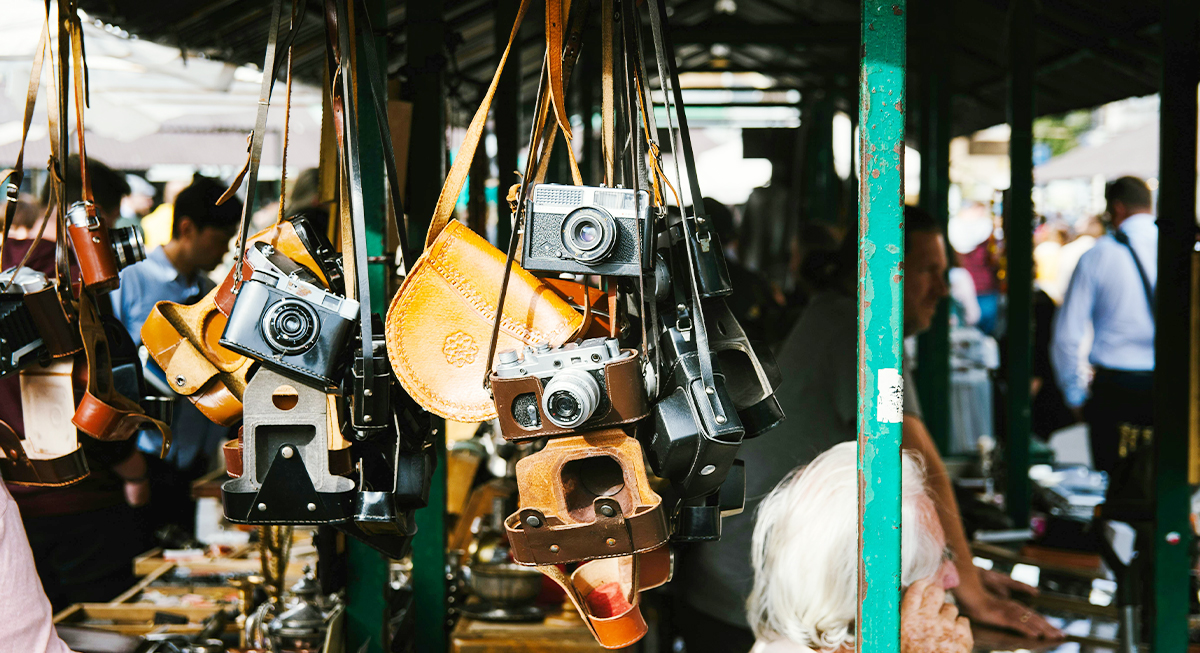
Image via Pexels/Kai Pilger
The next phase is already taking shape. As platforms continue to resurface past content and consumers form attachments faster, the window between experience and nostalgia will continue to shrink. Anything that feels current today can become marketable memory much sooner than before.
For brands, it is a reliable lever for growth, built on patterns that are now well understood and consistently profitable.