How Neighborhood Block Parties Built Real Community and Why We Need Them Back
Neighborhood block parties once played a practical role in everyday community life. During these events, streets were closed to traffic, neighbors brought food outside, children used the road as a play space, and residents who normally passed each other in driveways or hallways finally had time to talk.
The importance of these events went beyond food and music. Block parties created a structure for repeated interaction between neighbors, which helped build familiarity, trust, and cooperation within a neighborhood. Over time, those relationships often extended into daily life in various ways.
Turning Streets Into Shared Space
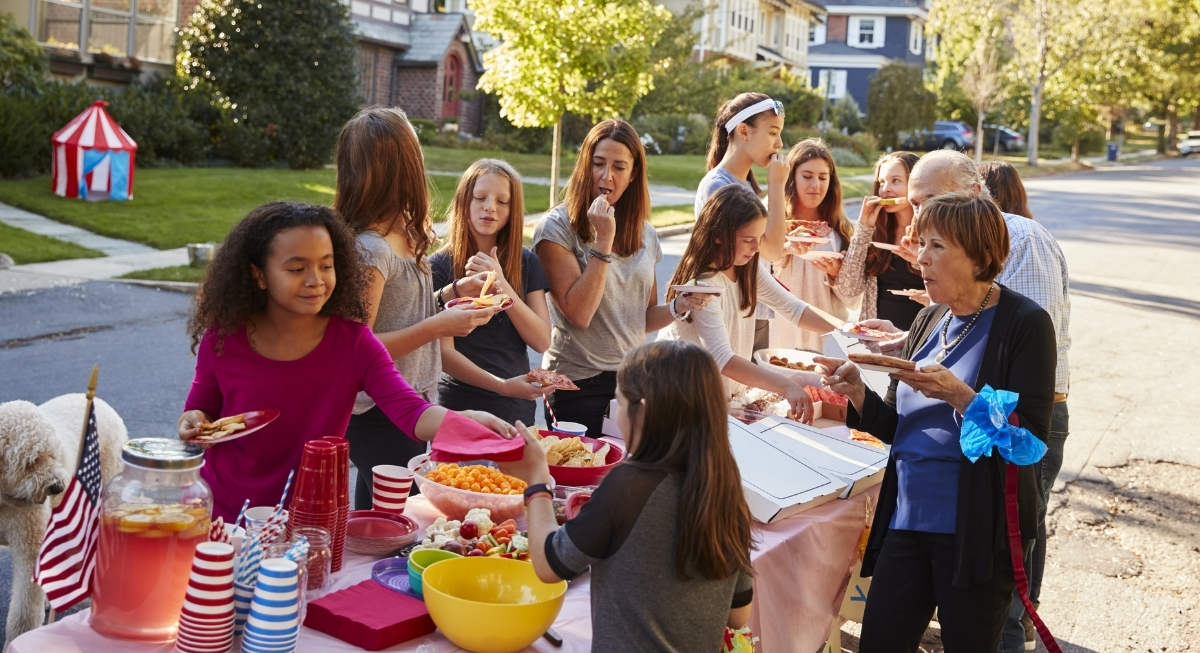
Image via Canva/Monkey Business Images
One of the most immediate changes during a block party is the street’s physical transformation. Closing a street to vehicles removes the usual barriers that limit interaction. The space fills with tables, games, and people moving freely between homes.
Neighbors get the chance to talk, while children play safely, and people can stay without rushing indoors. Even a temporary closure often prompts residents to envision alternative uses for the space, such as seating areas, greenery, and other shared amenities.
Many residents spend years living near one another without more than brief greetings. Meeting neighbors face-to-face helps turn anonymous houses into recognizable households. Residents begin to learn names, recognize families, and understand who lives nearby.
These small interactions accumulate quickly during a single afternoon and often continue afterward during everyday encounters on the same street.
Repetition Turns Neighbors Into Community
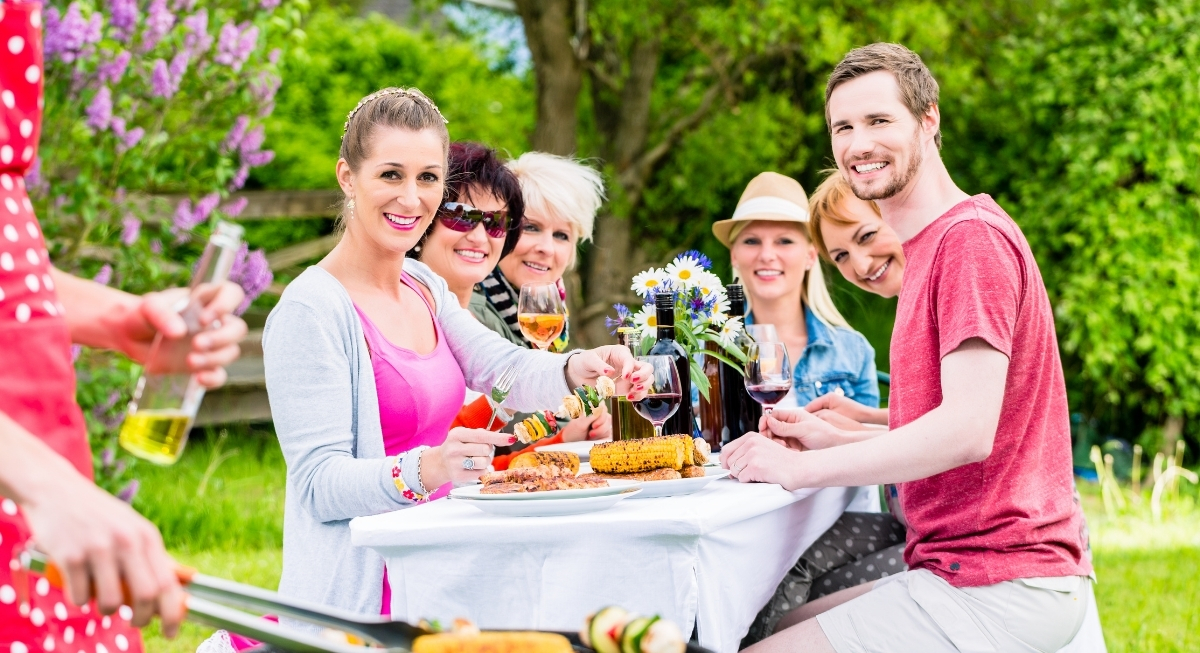
Image via Canva/Kzenon
The strongest effect of block parties comes from repetition. Community develops when people see one another repeatedly in the same setting over time. Familiar faces become part of a neighborhood’s social rhythm, and casual conversations evolve into ongoing relationships.
Regular gatherings also create shared memories. Residents remember who attended previous events, what worked well, and which traditions they want to repeat the following year. The collective memory helps neighborhoods develop a sense of continuity, which is difficult to build through one-time events.
From Conversation to Collective Action
Block parties can also become spaces where neighbors discuss practical issues affecting their street. In some neighborhoods, these gatherings have served as informal forums where residents share ideas about safety, transportation, and local improvements.
For example, a series of block parties in Saint Paul, Minnesota, attracted more than 700 residents and helped gather feedback about street design and pedestrian safety. Community members shared opinions through surveys and discussions, which later contributed to a neighborhood street redesign that included traffic circles, crosswalk improvements, and pedestrian-friendly infrastructure.
Why These Gatherings Became Harder to Sustain
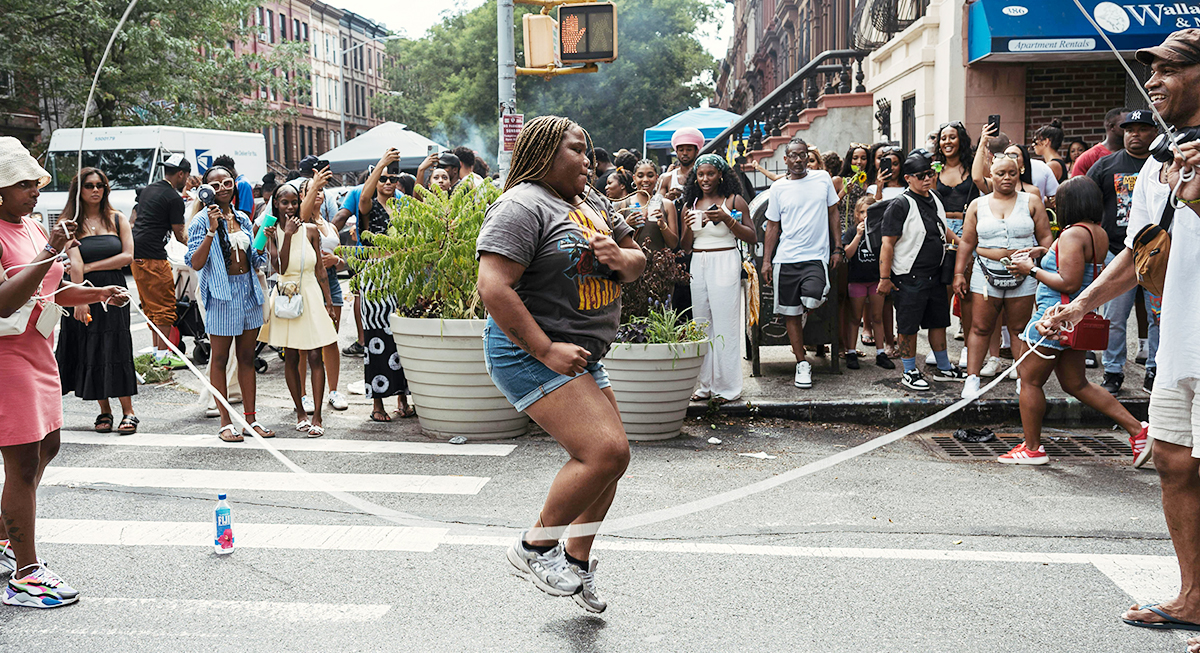
Image via Pexels/Shabazz Stuart
Despite their benefits, block parties have become less common in many neighborhoods. Organizing them often requires permits, coordination with local authorities, and volunteers willing to manage logistics. When planning falls on a small number of residents, the effort can become difficult to sustain.
Continuity also plays a major role. Neighborhood events tend to lose momentum when organizers move away, volunteer roles rotate, or planning knowledge disappears. Without a system for carrying forward guest lists, schedules, and lessons from previous gatherings, each event can feel like starting from scratch.
When that happens repeatedly, participation can decline, and the tradition gradually fades.