How Music Festivals Changed from Life-Changing Experiences to Instagram Content
Long before hashtags and highlight reels, festivals built their reputation on raw moments. Woodstock set the pace in 1969, where around 82 percent of attendees later described the experience as life-changing.
Fans attended to discover artists, meet strangers, and stay for the full experience. Lineups were important, but so was the sense of community. Festivals were messy, unpredictable, and often intense. Substance use and chaotic behavior occurred more frequently during those early decades, which added to the sense that anything could happen.
This unpredictability started to fade over time. By the 2010s, the percentage of attendees calling festivals life-changing dropped to around 65 percent.
The Moment the Camera Took Over
Image via iStockphoto/hapabapa
The turning point came when phones became part of the experience. Platforms like Instagram and TikTok started shaping festivals.
The show no longer begins when the artist walks on stage. It starts when the first clip hits someone’s feed. Attendees began choosing festivals based on visuals as much as music. Outfits became a project, and locations inside the venue were vital because they affected how the content would look online.
People now balance watching a performance with recording it. Some plan their day around capturing moments that will resonate well online. The pressure to post adds a layer that didn’t exist before.
The Rise of the Influencer Crowd
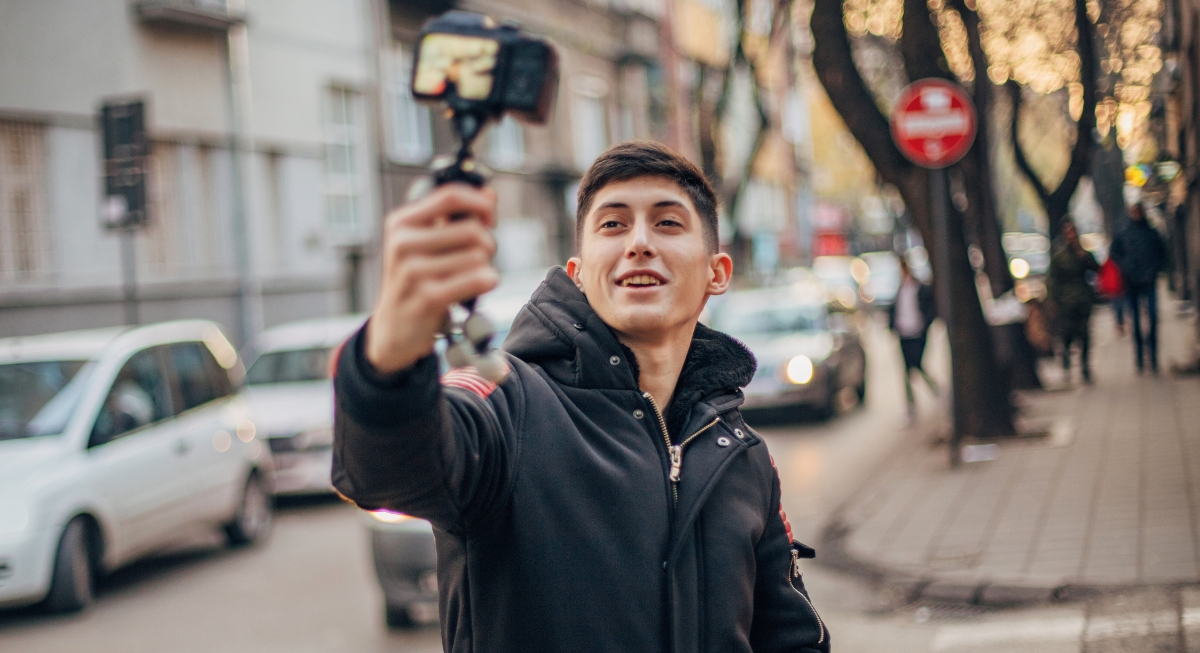
Image via Getty Images/Hirurg
The switch became impossible to ignore at events like the Coachella Valley Music and Arts Festival. It started in 1999 as a music-focused event and is now at the center of influencer culture. Social media creators attend through brand deals, often with VIP access and curated schedules. Influencer Alix Earle drew more than 100 million views across her Coachella content in one year, with outfit posts outperforming live performance clips.
Some creators skip the actual festival grounds entirely and focus on surrounding parties and branded events. The content still circulates as if it represents the full experience. At the same time, smaller creators on TikTok have started pulling back the curtain. They share long wait times, heat, and logistical issues that rarely make it into polished posts. This adds tension between what people expect and what they actually get.
Designed for the Feed
Artists and organizers adjusted quickly once they realized how much reach a single post could generate. Concert designers now think about camera angles as much as crowd views. Producer and stage designer LeRoy Bennett, who has worked with artists like Madonna and Lady Gaga, explained that shows are built with shareable visuals in mind. Large props, LED walls, and dramatic lighting all help create moments that look strong on a phone screen.
This approach comes with trade-offs. Artists can’t control how every photo turns out, which adds pressure when images circulate widely. A single bad angle can shape how a performance is perceived online. Festival organizers have also leaned into this shift. Branded installations, photo zones, and influencer lounges are now standard. User-generated content acts as free promotion.
A Different Kind of Experience
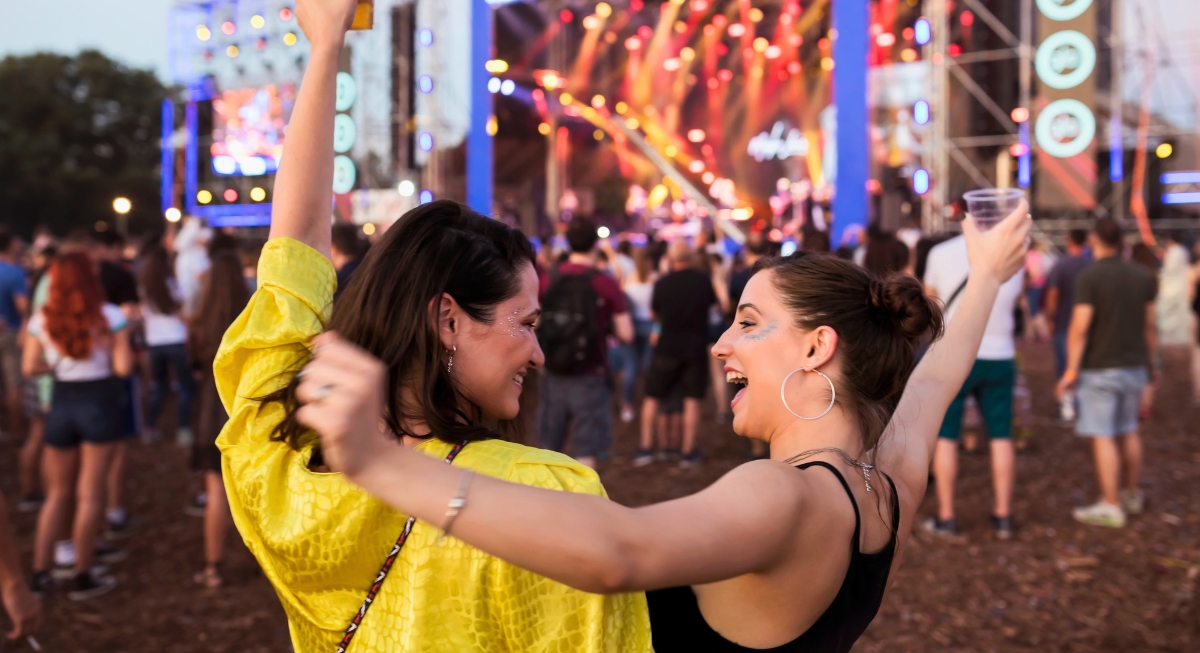
Image via Getty Images/Sladic
Festivals haven’t lost their appeal, and about 63 percent of attendees still describe them as life-changing. The difference is in how that experience is measured.
Earlier generations valued connection and discovery. Today’s crowd often balances those same goals with visibility. Even behavior trends reflect the shift. More people now attend festivals sober compared to earlier decades, and extreme behavior has declined.